

As cars age, they inevitably encounter issues that make their maintenance increasingly burdensome. Deciding when to scrap your car can be challenging, but several clear indicators can help you make a profitable choice.
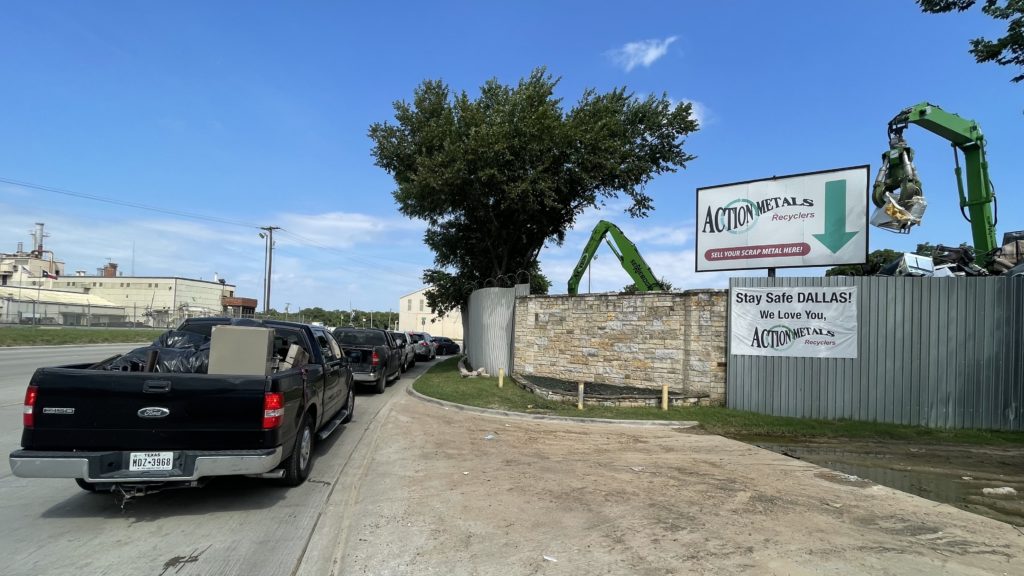
At Action Metals Recyclers in Dallas, TX, our scrap metal recycling facility specializes in helping you get the most out of your old vehicle by turning it into valuable scrap metal. If you’re on the fence about whether or not you’ll get that old junker moving soon, here are some signs that it might be time to scrap your car with us.
Expensive Operation Costs
One of the first signs that it might be time to scrap your car is when the cost of keeping it on the road starts to outweigh its value. If you find yourself constantly paying for repairs, maintenance, and fuel for a car that is no longer reliable or efficient, it might be more economical to scrap it.
As cars age, parts wear out, leading to frequent breakdowns and high repair bills. When these expenses begin to exceed the cost of purchasing a newer, more reliable vehicle, it’s a clear sign that your car’s days are numbered.
It Is Not In Use
A car that sits unused for long periods can deteriorate faster than a regularly driven car. If you have an extra car that you rarely use, it’s taking up valuable space and possibly even costing you money in insurance and registration fees.
Instead of letting it sit and rust, consider scrapping it for profitable aluminum and steel scraps. This way, you free up space, eliminate unnecessary expenses, and potentially make some money from the scrap metal.
Your Car Doesn’t Have a Title
Selling a car without a title can be a legal and logistical nightmare. If you’ve inherited a vehicle or purchased one without a title, the process of obtaining the necessary paperwork can be time-consuming and costly. However, most states, including Texas, allow you to sell your car for scrap metal even if you don’t have a title. Junk-titled brands like cars that are totaled, crushed, or dismantled also fall under this category.
So, scrapping your car in this situation can save you a lot of hassle and provide a quick, legal solution.
Driving It Makes You Nervous
Driving a car that constantly breaks down or feels unsafe is stressful and dangerous. If you worry every time you get behind the wheel that your car might fail, it’s time to consider scrapping it.
Safety should always be your top priority, and an unreliable car puts you and other road users at risk. By scrapping your car, you can remove this source of stress and invest in a safer, more dependable vehicle.
Rust
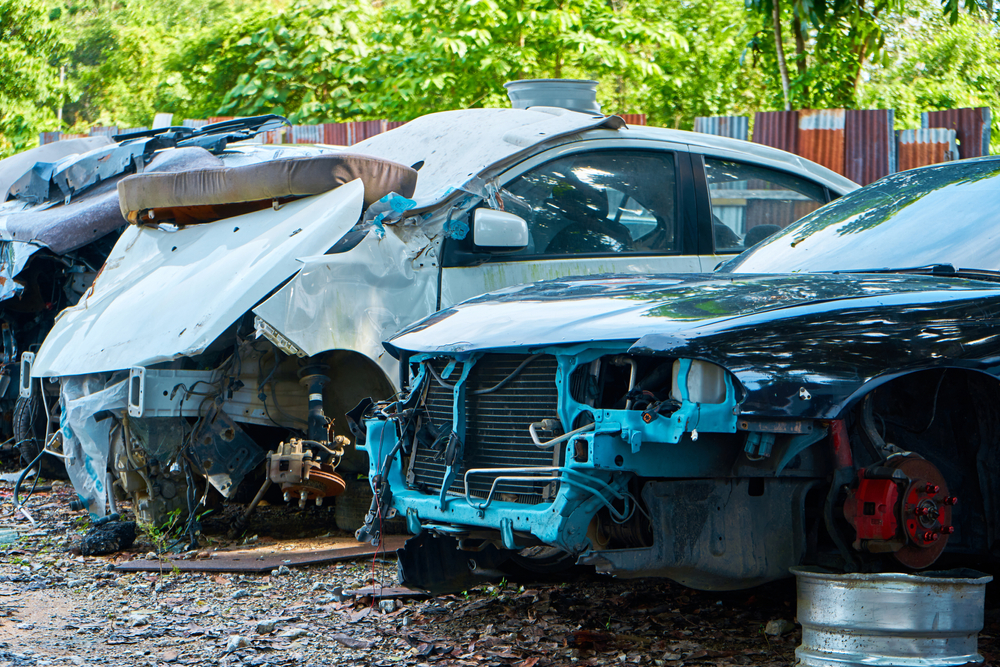
Rust is a clear indicator that your car’s structural integrity is compromised. Prolonged exposure to the elements, such as wind, rain, snow, and ice, can cause rust to spread throughout your vehicle, affecting crucial components like the frame, suspension, and braking system. Once rust has taken hold, it’s often too late to repair the damage economically. Scrapping your car before it becomes a safety hazard is a smart move.
Benefits of Selling Your Car for Scrap Metal
Now that we’ve identified some signs that it’s time to scrap your car, let’s explore the benefits of doing so.
Financial Gain
Selling your car for scrap metal can provide you with immediate cash. The value of your car will depend on its weight and the current market prices for steel and aluminum scrap metal. This extra money can be put towards a new vehicle, paying off debts, or any other financial needs you may have.
Environmental Benefits
Recycling your car is an environmentally responsible choice. When you scrap your car, the metal and other materials are recycled and reused, reducing the need for new raw materials.
This process helps conserve natural resources, reduce energy consumption, and decrease greenhouse gas emissions.
Avoid Hassle and Costs
Maintaining an old, unreliable car can be costly and time-consuming. By scrapping your car, you eliminate the need for ongoing repairs, insurance, registration fees, and other expenses associated with keeping a vehicle on the road. This can save you money and reduce stress.
Scrap Your Old Car Today, With Action Metals Recyclers
At Action Metals Recyclers, we make scrapping your car easy and profitable. Our team of experts uses cutting-edge equipment to ensure you get the best price in Dallas for your vehicle.
When you choose us, you can rest assured that your car is in good hands.
If you’re ready to scrap your car or have any questions about the process, we’re here to help you every step of the way. Contact us today to learn more about our services.