

Copper is an incredibly versatile metal with a wide range of applications, from electrical wiring to plumbing systems. When copper products reach the end of their lifespan, recycling the scrap offers numerous advantages for both the planet and our wallets. In this guide, we’ll delve into the benefits of recycling copper scrap and provide a step-by-step guide on how to recycle metal from household appliances.
Environmental Benefits
Conserves Natural Resources. Copper mining is an energy-intensive process that disrupts ecosystems. Recycling reduces the need for new mining, preserving valuable natural resources.
Energy Savings. Producing new copper from ore requires significantly more energy than recycling. By choosing recycled copper, we drastically reduce greenhouse gas emissions and our overall carbon footprint.
Reduces Landfill Waste. Copper is a valuable material that shouldn’t end up in landfills. Recycling keeps it in circulation, minimizing waste and preventing potential environmental contamination.
Economic Benefits
- Job Creation: The copper recycling industry is a major employer, creating jobs in collection, sorting, processing, and manufacturing.
- Resource Recovery: Recycling copper recovers a valuable commodity, reducing the demand for virgin copper and contributing to a circular economy.
- Cost Savings: Recycled copper is generally less expensive than newly mined copper, leading to cost savings for manufacturers, which can translate to lower prices for consumers.
Recycle Copper Scrap
Recycling copper is a fairly straightforward process:
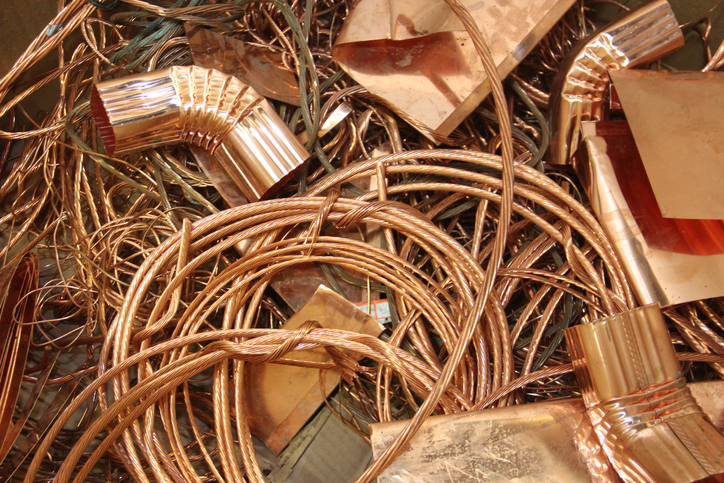
- Collection: Gather copper scrap from various sources. This could include old wiring, plumbing pipes, unused electrical cords, or even copper components from electronic devices.
- Sorting: Different types of copper have different values. Separate clean copper (uncoated wires, pipes) from mixed copper (coated wires, painted items).
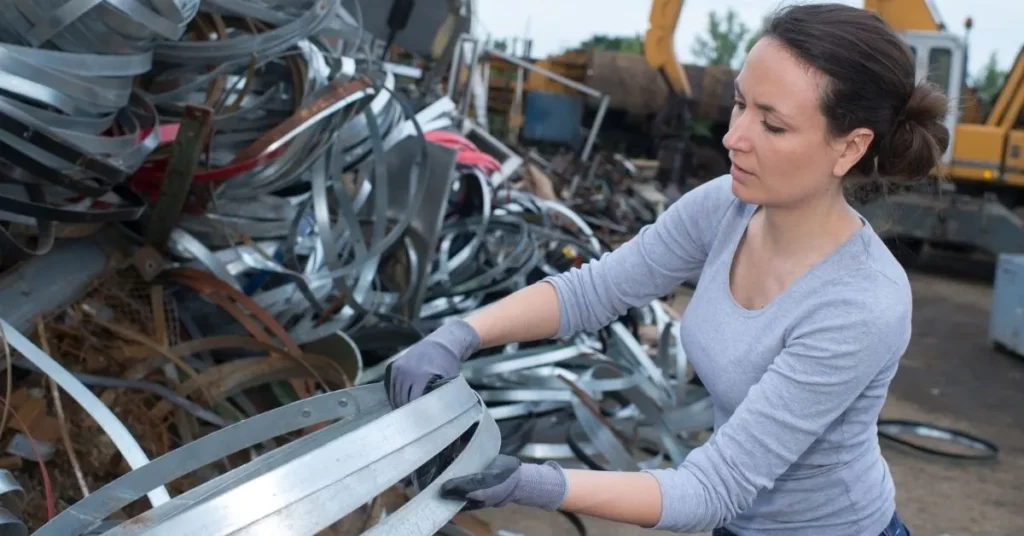
- Processing: Take your sorted copper scrap to a local recycling center or scrap yard that specializes in metal recycling. They will weigh your scrap, assess its quality, and pay you based on the current market rates.
How to Recycle Metal from Household Appliances
Your old appliances are a treasure trove of recyclable metals. Here’s how to responsibly recycle them:
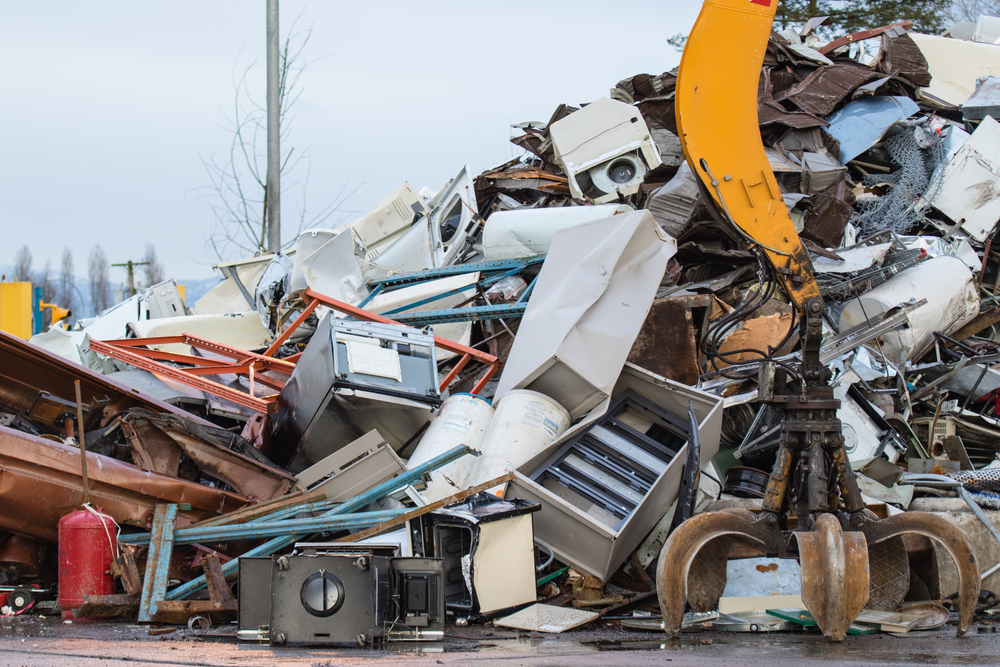
- Identify Recyclable Metals: Common metals found in appliances include steel, aluminum, copper, and brass. Refrigerators, washing machines, dryers, and dishwashers are all potential sources.
- Prepare Appliances for Recycling: Unplug and disconnect appliances from any utilities. If dealing with refrigerators or air conditioners, it’s crucial to have a professional safely remove any hazardous refrigerants.
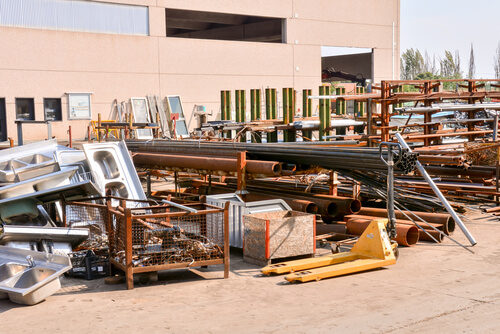
- Find a Recycling Center: Locate a recycling center or scrap yard in your area that accepts appliances. Some communities offer special collection events or have designated drop-off points.
- Transport and Drop Off: Take your prepared appliances to the recycling center. In some cases, you might even get paid for the scrap metal they contain.
Other Important Considerations
Safety First: Always prioritize safety when handling appliances. If you’re unsure about disassembling or preparing an appliance, seek professional help.
Environmental Impact: Recycling appliances conserves resources, reduces pollution associated with manufacturing new appliances, and prevents harmful materials from entering the environment.
FAQs
Q: Why is copper recycling important?
Copper recycling is crucial for several reasons:
- It reduces the need for new copper mining, which is energy-intensive and can harm the environment.
- Recycling copper uses significantly less energy than producing copper from ore, lowering greenhouse gas emissions.
- Copper is a finite resource, and recycling helps extend its availability.
- It creates jobs and supports a circular economy.
Q: What types of copper can be recycled?
Most types of copper can be recycled, including:
- Clean Copper: Uncoated wires, pipes, and tubing.
- Copper Scrap: Copper pieces from construction or demolition projects.
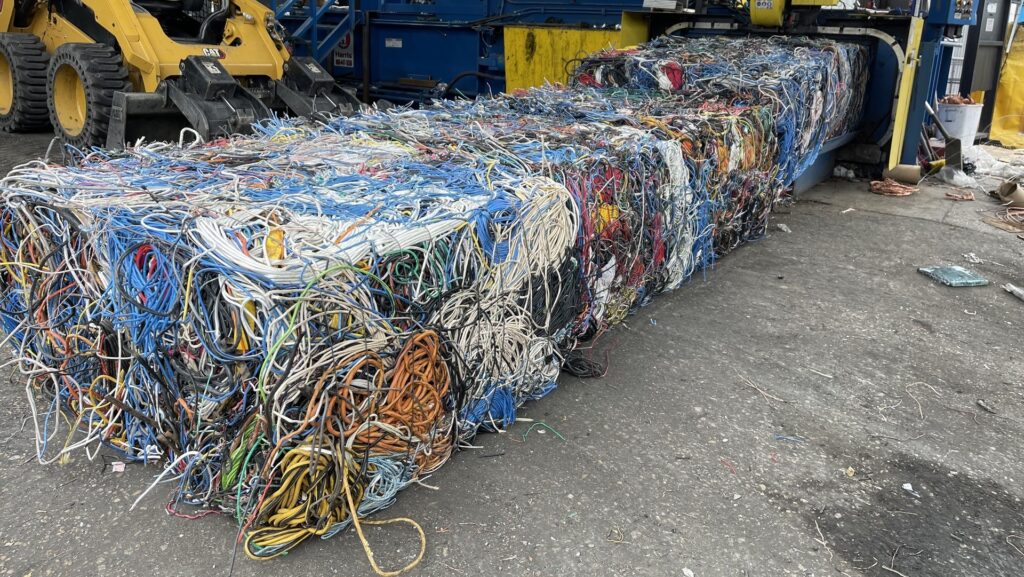
- Mixed Copper: Coated wires, painted copper items, and copper mixed with other materials.
- Copper from Appliances: Old appliances often contain copper wiring and components.
Call on Action Metals and Recycle Your Scrap
Recycling copper scrap and metal from appliances is a responsible choice that benefits the environment, the economy, and future generations. By making an effort to recycle these materials, we can all contribute to a more sustainable world.
At Action Metals, we believe in the power of recycling to create a more sustainable future. When you choose to recycle your copper scrap and old appliances with us, you’re not just getting rid of unwanted materials – you’re actively participating in a process that conserves resources, reduces waste, and supports a greener economy.
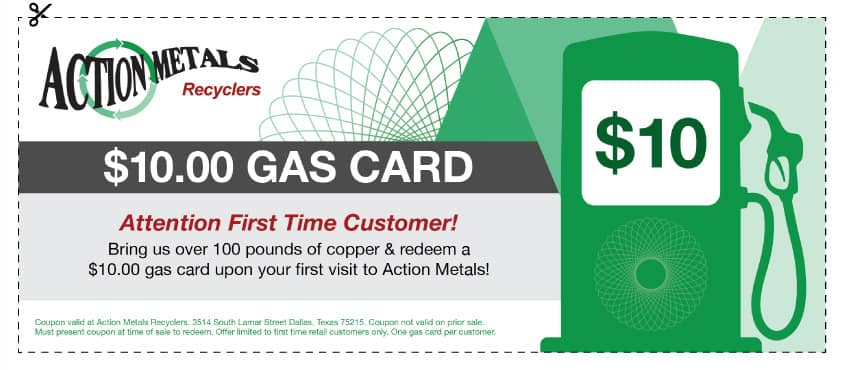
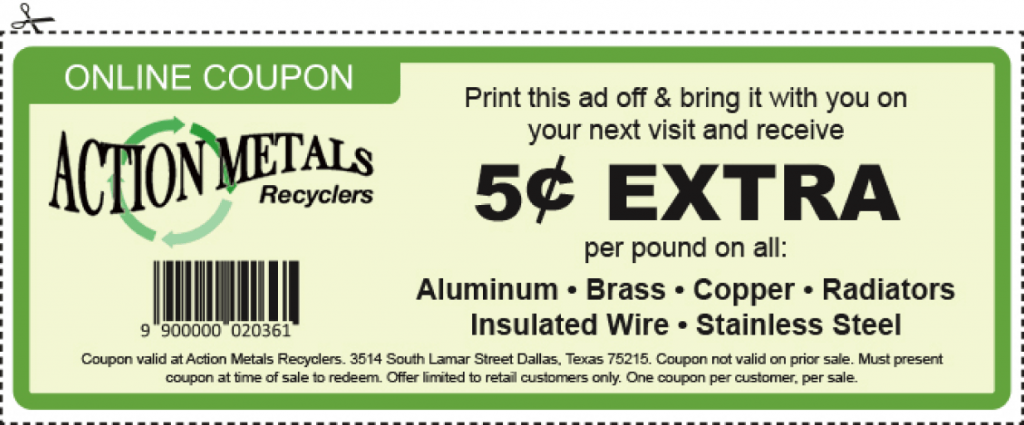
Ready to turn your scrap into something valuable? Contact Action Metals today to learn more about our recycling services. We offer competitive prices for your copper scrap and make appliance recycling easy and convenient. Let’s work together to build a brighter, more sustainable tomorrow.