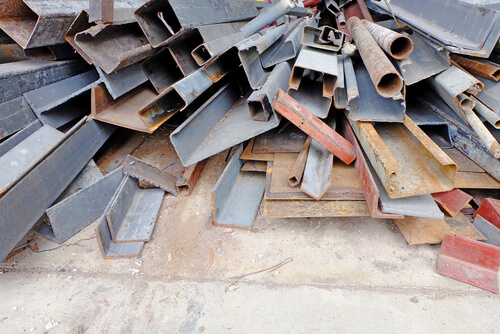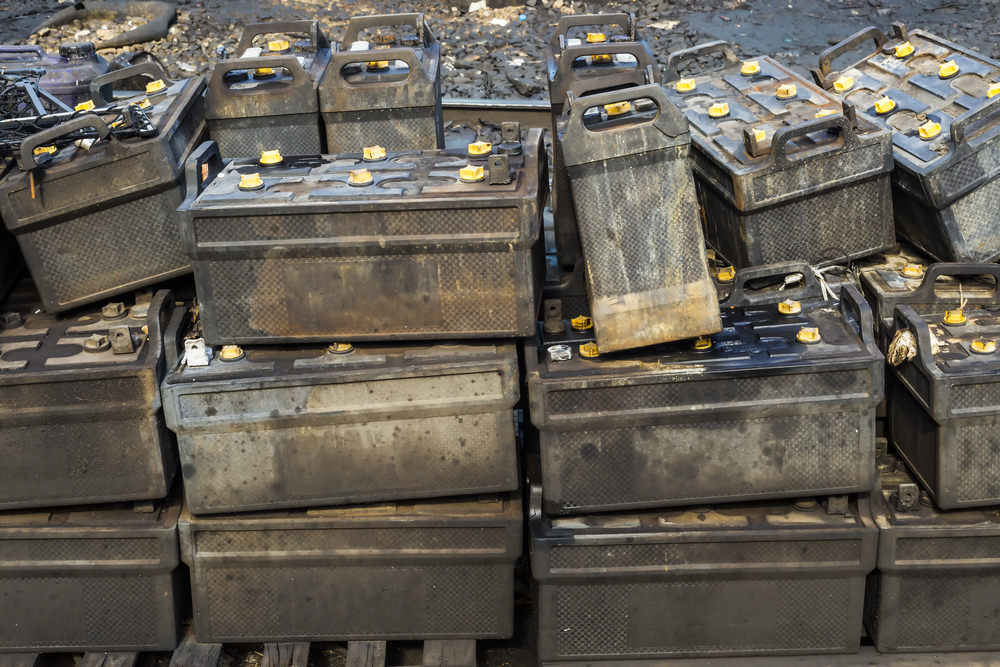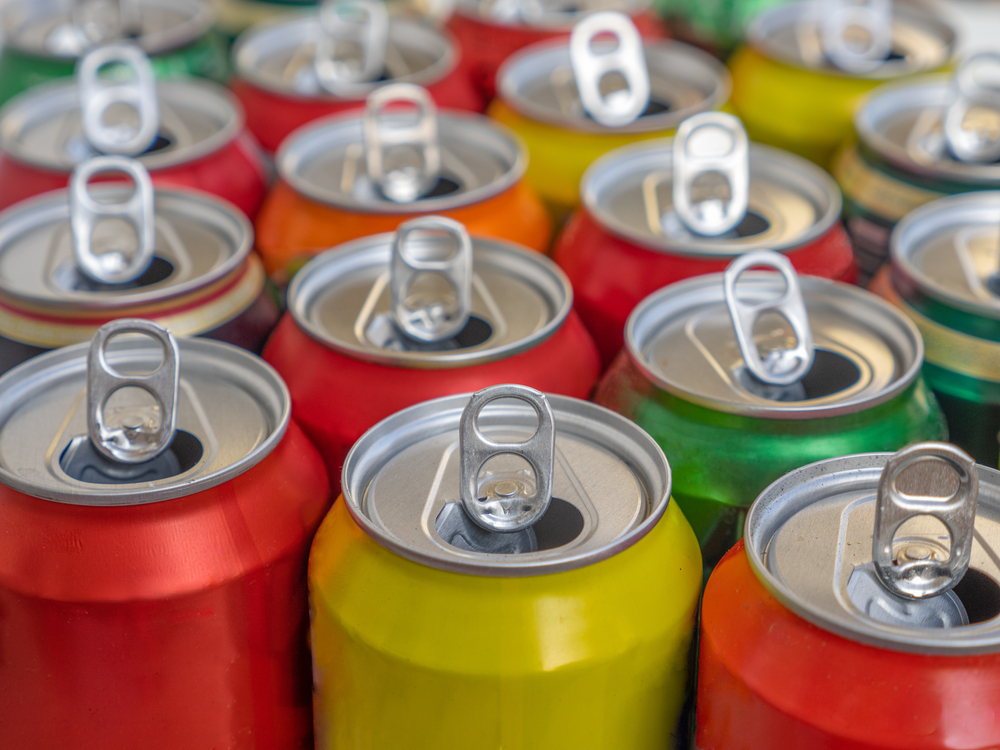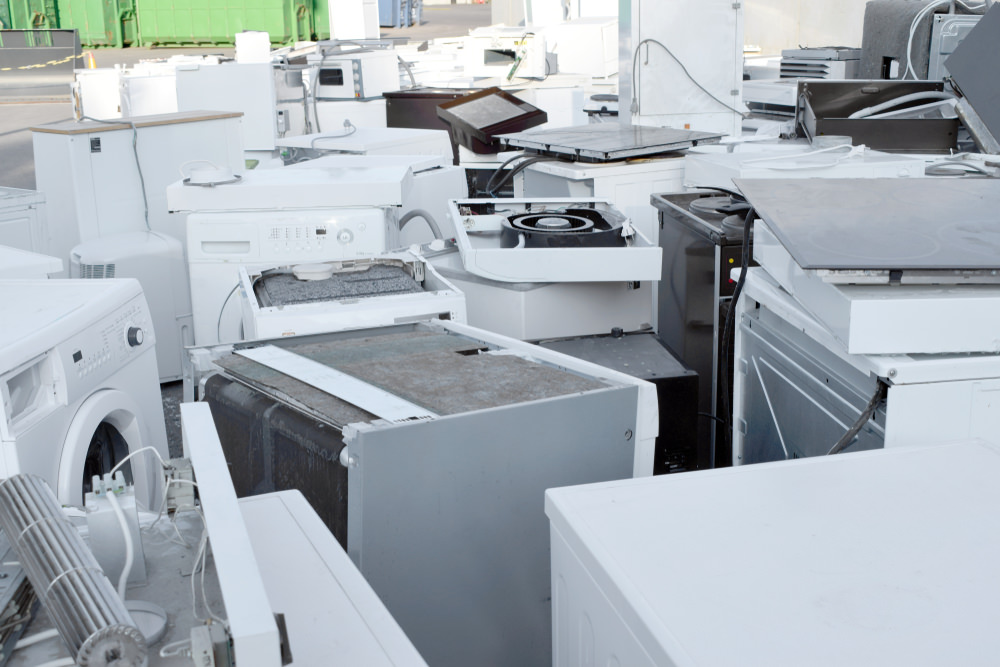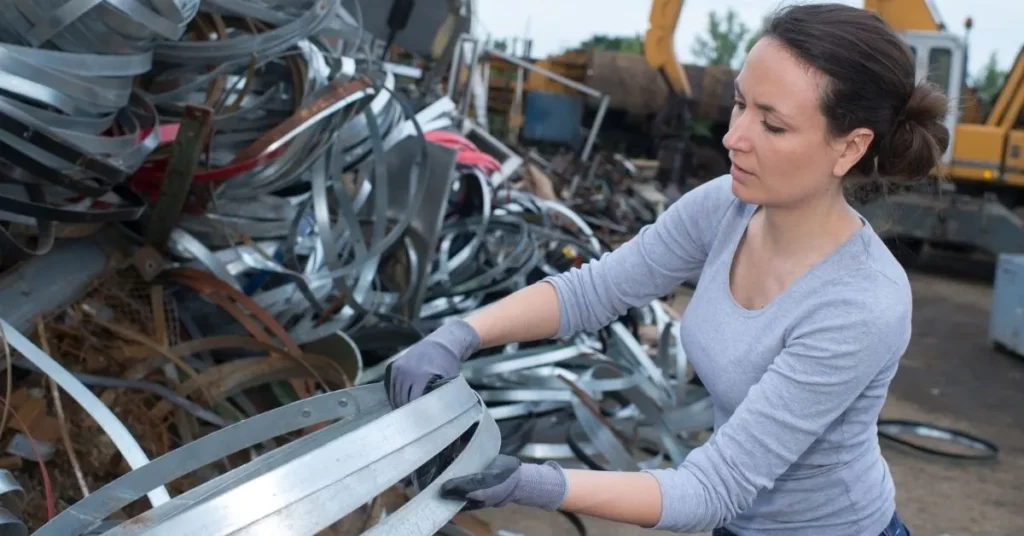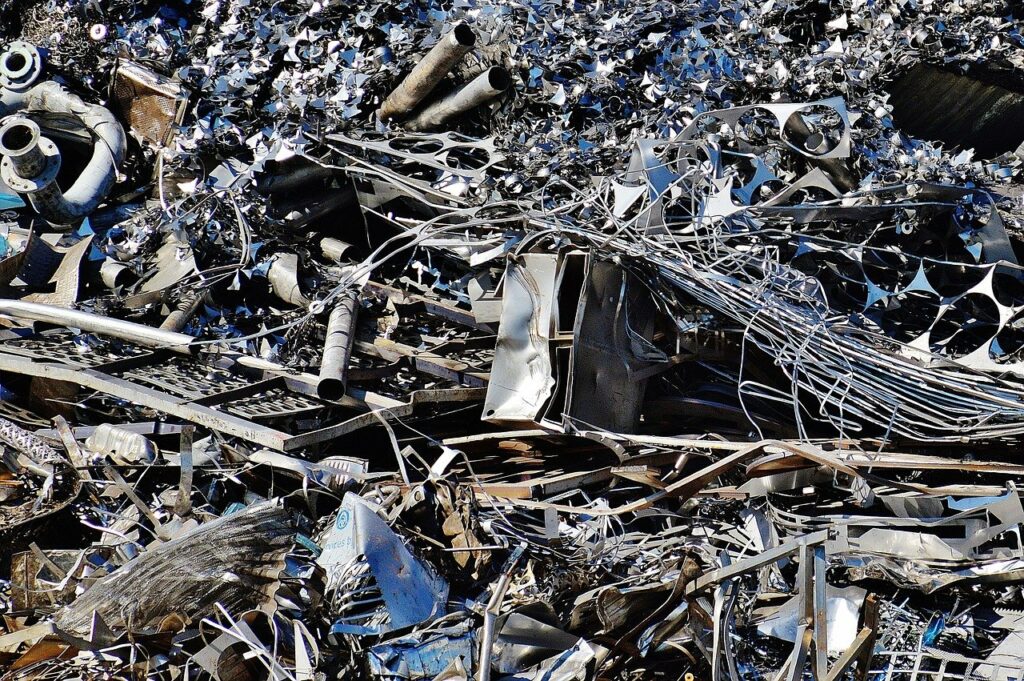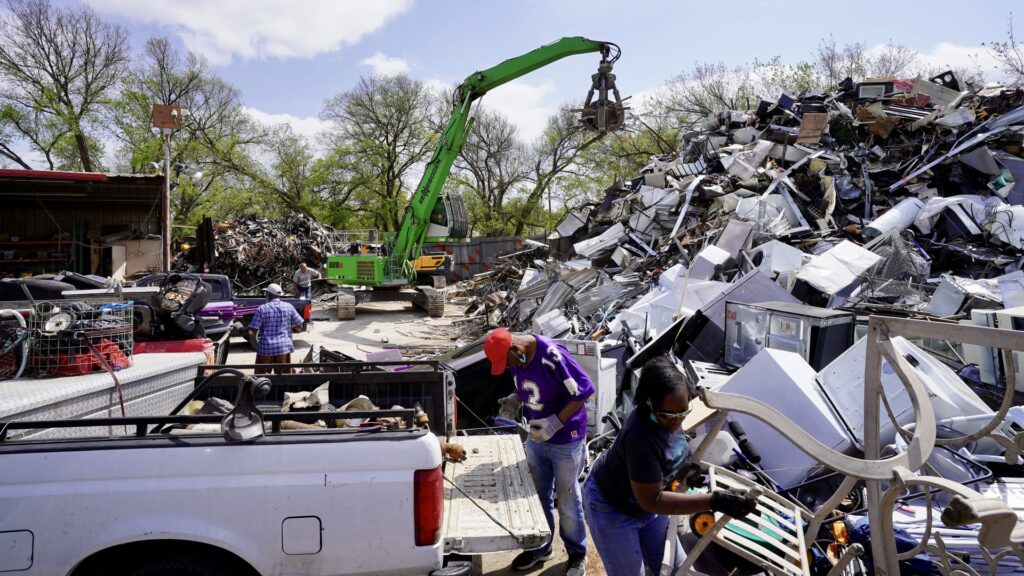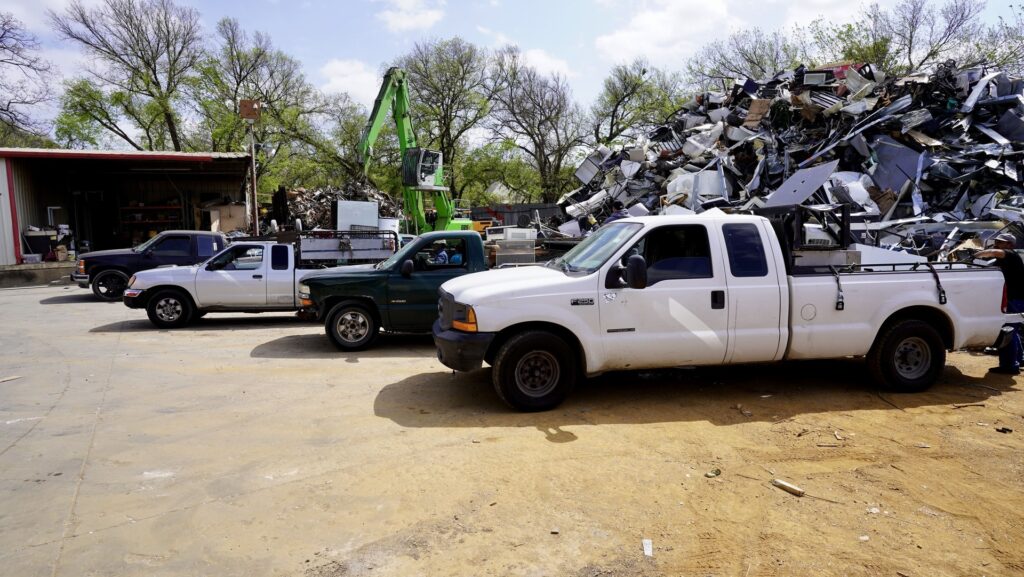
We’ve all seen it. An old washing machine sitting on a curb, a pile of forgotten pipes behind a construction site, or a defunct car quietly rusting in a backyard. To most, it’s just junk—an eyesore waiting to be hauled away. But to a select few, it’s treasure. It’s a tangible opportunity, a commodity with real value. This is the world of scrap metal recycling, a robust, resilient, and surprisingly profitable industry that forms the backbone of manufacturing and sustainability efforts worldwide. It’s an industry built on transformation—turning discarded waste into valuable raw materials, protecting the environment, and creating incredible business opportunities.
Perhaps you’ve felt that spark of curiosity. You’ve wondered about the journey of that scrap metal, from the curb to its new life. Maybe you’ve considered the business potential, imagining a bustling yard where the constant flow of material translates directly into revenue. We’re here to tell you that this vision is more attainable than you might think. Starting a scrap metal recycling business is a journey of turning rust into riches, but it requires more than just a truck and a magnet. It demands knowledge, a solid plan, the right licenses, and a deep understanding of the market.
Let’s walk through every critical step of this transformation. We’ll explore how to build a solid business plan, navigate the legal landscape to secure the proper scrap metal license, and invest in the essential scrap metal recycling equipment. We’ll also dive into the art and science of sourcing materials and understanding the fluctuating world of scrap metal prices. Let’s begin the process of building your scrap metal empire from the ground up.
Crafting Your Scrap Metal Business Plan
Every successful venture begins with a blueprint. In our industry, this blueprint is a detailed business plan that will guide your decisions, help secure funding, and set your course for profitability. A common mistake is underestimating this step, but a well-researched plan is your single most important tool.
Defining Your Niche and Market
The world of scrap metal recycling is vast. Will you handle all types of metal, or will you specialize? The two primary categories are ferrous (iron-based metals like steel and iron, which are magnetic) and non-ferrous (non-magnetic metals like aluminum, copper, brass, and stainless steel). Non-ferrous metals typically command higher scrap metal prices, but ferrous metals are often available in much larger quantities.
Your market analysis should be hyper-local. Who are the other recyclers in your area? What materials do they specialize in? Who are your potential suppliers? Look for gaps in the market. Perhaps local construction companies have to haul their steel waste a long distance, or maybe there are no accessible options for small-scale electricians to sell their copper wire. Your niche could be serving a specific industry (automotive, demolition, manufacturing) or handling a particular material that is currently underserved. This initial research will define your entire business model.
Projecting Your Financials
Your business plan must include a realistic financial forecast. This involves estimating your startup costs, which will be significant. Key expenses include:
- Property: Leasing or purchasing an industrially zoned plot of land.
- Equipment: The cost of essential scrap metal recycling equipment can range from tens of thousands to hundreds of thousands of dollars.
- Licensing and Permits: Securing the necessary local, state, and federal permissions.
- Operational Cash Flow: Funds to cover initial payroll, utilities, and, most importantly, purchasing your first loads of scrap.
Next, you’ll need to project your revenue. This is directly tied to scrap metal prices, which fluctuate based on global supply and demand, manufacturing activity, and even fuel costs. Research historical price data from resources like the London Metal Exchange (LME) or industry publications to create realistic high, low, and average price scenarios. This will help you understand your potential profit margins and create a compelling case for any potential investors or lenders.
Navigating Licenses and Regulations
Operating a scrap metal recycling business legally is paramount. The industry is regulated to prevent the trade of stolen materials and to uphold environmental standards. Failing to comply can result in hefty fines and the loss of your business.
Securing Your Scrap Metal License
The specific requirements for a scrap metal license vary significantly by state and even by municipality. Generally, you will need, at a minimum:
- A General Business License: Required for any business operating in your city or county.
- A Scrap Metal Dealer/Processor License: This is a specialized permit issued by a state or local authority that allows you to legally buy and sell scrap metal.
- Environmental Permits: Depending on your operations (e.g., handling fluids from vehicles), you may need permits from the Environmental Protection Agency (EPA) or your state’s environmental agency.
The process for obtaining a scrap metal license often involves background checks, proof of an established business location, and adherence to specific record-keeping requirements. For example, most states require recyclers to record the seller’s driver’s license information, vehicle details, and a description of the material being sold. We strongly advise consulting with your local city and state business authorities to get a complete checklist of requirements. (Consider linking to your state’s Department of Public Safety or licensing board for specific regulations).
Investing in Essential Scrap Metal Recycling Equipment
Your scrap yard is a processing facility, and having the right tools is non-negotiable for efficiency, safety, and profitability. The scrap metal recycling equipment you need will depend on your niche and scale, but some pieces are fundamental to nearly every operation.
Scales
Accuracy is everything when it comes to scrap metal prices. You will need a certified truck scale for weighing large vehicles and smaller platform scales for non-ferrous materials. These scales must be regularly calibrated and certified by your state’s department of weights and measures.
Material Handlers and Forklifts
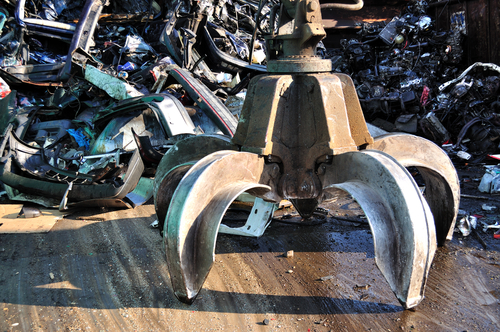
Moving thousands of pounds of metal requires heavy machinery. A forklift is essential for basic lifting, but a material handler with a grapple or magnet attachment is a true workhorse, allowing you to easily load, unload, and sort large volumes of scrap.
Balers and Shears
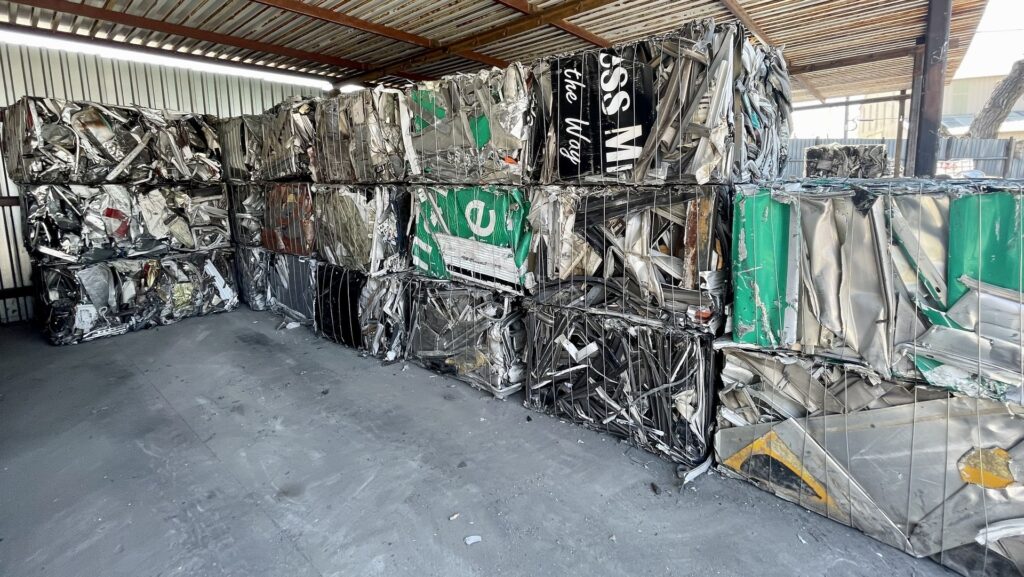
To maximize the value of your metal and make it transportable, you need to process it. A baler compacts light materials like aluminum siding or sheet metal into dense, stackable cubes. A shear is used to cut larger pieces of metal, like beams or pipes, into manageable sizes required by steel mills and foundries.
Sorting Tools
On a smaller scale, you’ll need an array of tools for sorting and cleaning metals. This includes magnets (to separate ferrous from non-ferrous), wire strippers (for copper and aluminum wire), and cutting torches.
Investing in quality, durable scrap metal recycling equipment from the start will save you countless headaches and downtime in the future. While new equipment is ideal, reliable used machinery can be a cost-effective way to get started.
Sourcing and Selling Scrap
Your business model is simple: buy low, sell high. Success hinges on your ability to consistently source scrap metal at a fair price and sell your processed material for a profit.
Finding Your Suppliers
A steady inflow of material is the engine of your business. Building a diverse network of suppliers is key to weathering market fluctuations. Consider these sources:
- Industrial and Commercial Accounts: Manufacturing plants, construction companies, and demolition contractors are prime sources for large, consistent volumes of scrap.
- Tradespeople: Electricians, plumbers, and HVAC technicians generate high-value non-ferrous scrap like copper pipe and aluminum wire.
- The General Public: Individuals cleaning out their garages or getting rid of old appliances can be a significant source of material.
- Auto Salvage: End-of-life vehicles are a complex but rich source of both ferrous and non-ferrous metals.
Marketing to these different groups is essential. A professional website, local SEO (so you appear when someone searches “scrap yard near me”), and direct outreach can help establish your presence and build relationships.
Understanding Scrap Metal Prices and Selling Your Product
Scrap metal prices are not arbitrary. They are tied to global commodity markets. Your selling price for a ton of processed steel or a pound of clean copper will change daily. Your job is to pay your suppliers a price that is competitive enough to keep them coming back, while leaving enough margin to cover your operational costs and generate a profit.
Your end buyers are typically larger entities like steel mills, foundries, smelters, and export brokers. Building strong relationships with these buyers is crucial. They have strict requirements for the quality and preparation of the scrap they purchase. Clean, well-sorted, and properly processed metal will always fetch the best price. Your reputation for providing high-quality material will be one of your most valuable assets.
Ready to Build Your Recycling Empire?
Starting a scrap metal recycling business is a challenging but immensely rewarding endeavor. It’s an opportunity to build a profitable enterprise from the ground up while making a significant positive impact on the environment. You are stepping into a vital industry that fuels innovation and supports the circular economy by turning forgotten waste into the raw materials for tomorrow’s infrastructure and technology.
The path requires careful planning, a commitment to legal and environmental compliance, and a significant investment in the right scrap metal recycling equipment. It demands a keen understanding of the markets and the ability to build strong, lasting relationships with both suppliers and buyers. The world of turning rust to riches is not for the faint of heart, but for the determined entrepreneur, the potential is boundless.
Feeling inspired to take the next step? If you’re ready to explore the world of scrap metal recycling further or need guidance on developing your business plan, our team is here to help. Contact us today to learn how we can support you on your journey from aspiring entrepreneur to industry leader.
Frequently Asked Questions
Q. What kind of scrap metal license do I need to start my business?
The specific scrap metal license you need varies by state and city. You will typically need a general business license, a specialized scrap metal dealer or processor license from your state or municipality, and potentially environmental permits. Always check with your local and state regulatory agencies for a complete list of requirements.
Q. How are scrap metal prices determined?
Scrap metal prices are based on global commodity markets, similar to oil or grain. The primary drivers are supply and demand from manufacturing and construction industries worldwide. Factors like the strength of the economy, fuel costs, and international trade policies can all cause prices to fluctuate daily.
Q. What is the most essential piece of scrap metal recycling equipment?
While it depends on your specific operation, certified scales are arguably the most critical piece of scrap metal recycling equipment. Accurate weighing is the foundation of your business, as it determines how you pay suppliers and how you get paid by mills. Without accurate, certified scales, you cannot operate legally or profitably.