Category Archives: Brass Metal Recycling

  1. Brass vs. Bronze vs. Copper | How to Identify & Separate These Metals

    Brass vs. Bronze vs. Copper | How to Identify & Separate These Metals

    Whether you are hauling trash from a construction site or conducting your spring cleanup, many folks end up at a recycling facility with some sort of red or yellow metal. They then proceed to tell the scale operator they are delivering copper when, in reality, it is something else. Sorting your metals properly before you arrive not only guarantees you are paid the best price, but also establishes you as a trustworthy seller. Read on to learn how taking a few extra minutes to identify what you’re hauling can make you money.

    Parking an unassembled pile of junk on a busy scale pad is asking the processing staff to weigh your metals by the purity of the lowest-valued material they contain. Copper prices are typically higher than brass prices, which are higher than bronze prices. Being able to separate these items yourself before you leave your house allows you to build rapport with your scrap yard and keep more cash in your pocket.

    How Sorting Your Metals Separately Benefits You

    Sorting your brass, bronze, and copper separately ensures scrap yards pay you top dollar for pure copper and don’t grade your entire haul down to the lowest-value material.

    You should separate your metals because scrapyards are in the business of buying and selling thousands of pounds of metal every single day. If you bring mixed materials, they have to pay you based on the lowest-grade commodity contained within your load. Copper is pure elemental copper metal. Brass and bronze, on the other hand, are copper alloys, meaning they have been mixed with other metals.

    Copper contains more copper than a brass or bronze object. As such, it has a higher resale value than scrap yards are willing to pay. By accidentally commingling your brass doorknobs with your copper piping, you risk losing money at the scale.

    Sorting at home allows you to be exact with what you bring to the yard. You also look more professional by coming in with already separated bins of materials. The workers can quickly run each category of metal through the scale separately, and you can get on with your day knowing you got paid what you should.

    Why Mishandling Your Metals at Home Costs You Money

    * Tossing copper tubes in the same load as brass plumbing fixtures charges you less for copper.

    * Wiping grease off a brass flashlight but not scratching that “copper” colored pipe could cost you big bucks.

    Identifying What You’re Really Bringing to the Scale

    If it’s shiny and orange, you are dropping off brass. If it’s shiny and red, you are dropping off copper. If it looks like your bronze wedding band, you’re dropping off bronze.

    Copper shines a vibrant reddish-orange color. It is soft and easy to scratch. Copper wirING, tubing, refrigeration lines, and roofing flashing are often all copper. Copper pipes are notorious for having brass fittings attached to them. Use your knife to scrape the surface of the metal. If the whole way through is that same reddish color, you’ve found copper.

    Brass is basically copper with some zinc mixed in. This makes the resulting alloy harder and more yellowish in color. Brass fixtures are very common. Think bathroom faucets, cartridge springs, shell casings, gears, door knobs, or anything yellow that isn’t pure gold. It should also resist your knife’s scratch attempt.

    • Copper is reddish-pink or copper penny brown, while Brass has a yellowish gold color or muted yellow tone.
    • Copper is used to make wires, piping, and tubes, while Brass is used to make fixtures like faucets and lamp fixtures. 
    • Copper sounds like a low thunk when dropped, while Brass gives off a ping! sound when dropped.

    Separating Bronze from Brass and Copper

    Clean, brown-orange metal that rings like a bell when struck is most likely bronze. Don’t forget to scratch it first to ensure the base metal is copper and not nickel or steel!

    Bronze contains copper that has been mixed with tin. It also tends to contain other metals and create a heavier and harder metal. Bronze looks like a brown gold. It will often have more of an orange tint to it than brass does. Many old sculptures are made of bronze. Use the file to scrape a groove in an unexposed section of the metal. Pure bronze will also leave a rainbow-colored patina of rust (technical term) when left outside for years.

    Correctly identifying bronze can be tricky since it is similar in appearance to brass. But while brass contains zinc, bronze contains tin. Steel and nickel do not contain copper. If your file slides over the surface without leaving a mark, scrape someplace else.

    Once you have determined your mystery metal is copper-based, hold it by the end you have been scratching. Now, lightly bang it against the ground or your leg. Listen to the tone it makes when it hits the solid surface.

    Visual Sorting Hint 

    Examine old valves. Are they bright orange-yellow like a trumpet? They go in the brass bucket. Dark grayish orange like a penny? Probably bronze. 

    Setting Up Your Sorting Station at Home 

    Grab a powerful magnet, an abrasive file, and two plastic bins. Larger hardware items go on the floor, small stuff fits in bins.

    Before you dump your junk in piles around your driveway, grab the three tools you’ll need to quickly identify copper, bronze, and brass. You do not need any high-tech gizmos to sort metal like the professionals. Start with a magnet. Not one of those tiny highlighter tip ones, but a powerful bar magnet. Grab a metal file too. Lastly, find two separate containers to place your sorted metals in.

    Steel and iron are magnetic. Copper, brass, and bronze are not. If your mystery pipe or pipe fitting sticks to the magnet, hurl it into the steel pile. It’s time to move on to the next item.

    Use the metal file to scrape away any patina (another technical term) or coating on the metal surface. Do this until you see the true color of the underlying metal. You can also use a knife if you do not have a file handy. Once you’ve exposed some shiny metal, refer back to the charts above.

    Three Easy Steps to Sorting Metals Like a Pro

    1. Magnet Test: Does your mystery metal object stick to the magnet? If yes, scrap it. If not, keep testing. 
    2. File Test: Scratch an exposed section of the material with your knife.
    3. Color Test: Under bright light, what color is the scratched area? Copper = reddish, Brass = yellow. 

    Increasing the Value of Your Non-Ferrous Material

    Snip connectors, strip wire insulation, and separate plastic pieces from metal. Bring clean materials to the scrap yard and they won’t charge you for processing.

    The best way to guarantee your scrap metals are paid at the highest possible price is to remove all other substances attached to them. Brass plumbing will often come with copper or steel valves connected to it. Even rubber hoses or plastic tubes attached to copper plumbing should be cut away and thrown out.

    Speaking of copper pipe, this goes double for any wire you might be throwing away. While a spool of colored electrical wire will fetch you a reasonable price, removing all the plastic and providing the scal only bare copper will earn you more money. Stay tuned for our article on maximizing your electrical scrap profits.

    Contact Action Metals | We Buy All Metals for Cash

    If you’re looking for an honest company that weighs your metals correctly and treats you like a professional, look no further. Action Metals is a locally owned, family-run business with your best interests in mind. When you bring your separated loads to us, we pay you what you should get and work quickly to get you on your way. Give us a call today to find out about our competitive pricing!

    FAQ

    Q. Does brass sell for more than copper? 

    1. Brass does not sell for more than copper. Copper has a higher resale value than brass. Copper is 100% copper. Brass is an alloy that contains both copper and zinc.

    Q. How do I tell if my hardware is solid brass or just plated with brass?

    1. Grab a magnet. If your magnet does not attract the metal hardware at all, it is solid brass. If your magnet sticks like glue to the hardware, it is mostly made of steel/iron with a very thin layer of brass plating on it.

    Q. Should I clean green spots off copper pipe before selling it?

    1. No, the yard will simply take that into consideration when grading your copper as number two copper. If you try to clean or polish the oxidation off yourself, it will not increase the value enough to be worth your time.
  2. brass recycling dallas

    Why Should You Take Advantage of Brass Recycling?

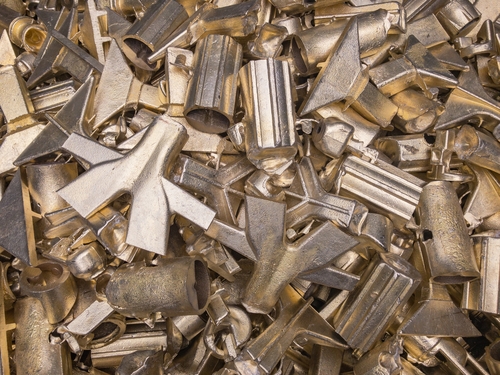
    Brass is a versatile metal alloy composed primarily of copper and zinc. It is commonly used in plumbing fixtures, musical instruments, ammunition casings, and decorations. With its bright gold color and durability, brass has become popular in many industries. 


    However, brass production requires mining for copper and zinc and energy-intensive smelting processes. While many environmentalists worry about the community impact of creating new brass products, the good news is that brass is 100% recyclable.


    We can melt brass down from our Dallas scrap metal recycling facility and reform it repeatedly without losing performance or quality. 


    Recycling brass provides numerous environmental and economic benefits. Let’s take a look at some of the best reasons why you should recycle your brass products today!

    Conserving Natural Resources

    Mining copper and zinc is environmentally destructive, disturbing landscapes and producing hazardous mine waste. Recycling reduces the need for virgin mining, conserving these finite natural resources. 


    Recycling also reduces the amount of energy needed to manufacture brass. Extracting and processing virgin materials consumes far more energy than remelting scrap metal. 


    Since 1994, Action Metals Recyclers has helped community members and businesses in Dallas, Texas, conserve natural resources, reduce energy waste, and make recycling scrap metal a lucrative and beneficial move for the environment.


    Call us today at (214) 421-9981, to learn more about how we can help you organize your next brass drop-off.

    Recycling Brass Reduces Waste

    Brass products that are discarded rather than recycled become waste in landfills. Landfill space is limited, and brass can take hundreds of years to fully decompose. 


    Recycling keeps brass out of landfills while providing the raw material for new brass products. This reduces waste generation and the need for new disposal capacity.

    Lowering Greenhouse Gas Emissions 

    Mining, smelting, and manufacturing brass from virgin materials generates substantial greenhouse gas emissions. 


    As environmental enthusiasts, our recycling experts hold firm in the fact that recycling copper and zinc (the main components of brass) reduces related carbon dioxide emissions. Recycling is a simple way to lower the brass industry’s carbon footprint.

    Recycling Brass Contributes to a Circular Economy in Dallas, TX

    Recycling enables a circular economy, where materials are continually cycled through use, collection, and remanufacturing. This brings large environmental gains while reducing reliance on scarce natural resources.

    Generate Revenue, Save the Environment

    In addition to its environmental benefits, brass recycling can also create financial returns. Our Dallas scrap yard purchases used brass that we can recycle and pay forward to metal refiners and manufacturers. 


    This generates supplementary income for households and revenue for businesses that collect large volumes of brass. Recycling is an opportunity to recover value from discarded products that are just eating up space on your property.

    Common Sources of Recyclable Brass

    Many everyday items contain recyclable brass components or fittings. Being aware of these products enables more brass to be captured and recycled. Here are some common sources of recyclable brass:

    Plumbing Fixtures

    Brass fittings and valves are extensively used in home and industrial plumbing systems. This includes pipe connectors, compression fittings, and faucets. Bathroom and kitchen faucets account for a significant amount of recyclable household brass. 

    Musical Instruments

    The warm sound of brass instruments depends on, well, brass. Brass used in instruments includes tubing, valves, brackets, and decorative trim. Recyclable brass is found in trumpets, trombones, saxophones, French horns, and tubas. Even small instrument parts contain reusable brass.

    Ammunition Shells

    The malleability and corrosion resistance of brass has made it the primary metal for ammunition shells. This includes bullet casings from pistols, rifles, shotguns, and automatic weapons. Fired shells, which can number in the hundreds at shooting ranges, are ideal candidates for brass recycling.

    Door Hardware 

    Knockers, pulls, kick plates, hinges, and locking mechanisms frequently contain brass components. This hardware is often solid brass, brass plated, or contains brass fasteners. Door hardware of all types, whether being replaced or from demolition sites, can be set aside for brass recycling.

    Radiators and Electronics

    Salvaged antique radiators, heat exchangers, and piping contain significant brass content. E-waste like televisions, batteries, wiring, and computers also have recyclable copper and brass components. While not the largest sources, these niche items expand the pool of recyclable brass.

    Recycle Brass with Action Metals Recyclers

    To start brass recycling, contact Action Metals Recyclers. As a fully licensed recycler, Action Metals offers free drop-off and pick-up for brass and other valuable scrap metals. 


    We offer the best prices in Dallas for scrap metal and are ready to help you benefit from your scraps today.


    Contact us to learn about our metal recycling services and schedule your first brass drop-off. 


  3. recycle-scrap-metal-for-money

    5 Top Strategies for Making Money Recycling Scrap Metal

    The holidays are around the corner, and if you have mass amounts of scrap metal lying around your property, we say make the most of your steel and trade it in for maximum profits.

    If you’re new to the scrap metal recycling game, thinking of how to turn your old scrap into cash can be harrowing. Let’s take a look at five simple ways you can turn your trash into treasure.

    1. Look for Metal Recycling Facilities in Your Area

    If you’re looking for a reliable and environmentally-friendly way to recycle metal in Dallas, you can visit several recycling centers. Recycling metal is a great way to reduce the amount of waste produced yearly and helps conserve natural resources.

    At Action Metals Recyclers, we are one of Dallas’s leading scrap metal recycling facilities. We currently accept the following metals:

      • Aluminum
      • Brass
      • Copper
      • Insulated Wire
      • Steel
      • Stainless and Other Alloys
      • Radiators, and more!


    2. Separate Different Types of Scrap Metal Before Taking it to the Recycling Center

    Before you take any scrap metal to the recycling center, separating it into different types is important. This makes the recycling process much easier and helps ensure that all of the metal is recycled properly and you get the highest prices for your goods.

    There are several ways to separate different types of scrap metal. One way is to use a magnet. Non-magnetic materials, like aluminum, can be separated from magnetic materials, like steel, by using a magnet.

    3. Check the Prices of Various Metals Online Before Selling Them

    It can be difficult to determine the value of scrap metal, but there are a few ways to get an idea of how much your metal is worth. One way is to check prices online. You can find websites listing current prices for different types of scrap metal by doing a quick search.

    This can help you get a good idea of what your metal is worth and ensure you’re getting the best price possible.

    If you’re ever in doubt, it’s also easy to reach out to Action Metals Recyclers and obtain the most up-to-date prices on all precious metals.

    4. Find Creative Ways to Recycle Metal Objects Around Your Home or Office

    Many metal objects in the home or office can be recycled. These objects include pots and pans, appliances, tools, and more. By recycling these objects, you can help reduce the amount of waste produced each year and conserve natural resources.

    5. Know How to Weigh Your Scrap Metal

    Weighing scrap metal is an important process that helps recyclers determine the value of the metal. By knowing the weight of the metal, recyclers can ensure they are getting the best price for it. There are a few ways to weigh scrap metal, and each has its own benefits and drawbacks.

    One way to weigh scrap metal is to use a scale. This is a common method used by recyclers because it is accurate and easy to use. However, not all scales are created equal.

    Some scales are designed for larger objects, while others are designed for smaller objects. Make sure you use a scale that is appropriate for the size of your scrap metal.

    Make the Most of Your Scrap Metal Today with Action Metals Recyclers

    Whether you’re a business owner, ready to clear out your supply closet or an average person with excess pots and pans cluttering up your kitchen, Action Metals Recyclers is ready to help you clean up your space.

    Our recycling center in Dallas is completely secure and offers maximum payout for all metals we accept.

    Contact us today to learn more about our recycling process.

  4. Differences in Brass and Copper Scrap

    5 Ways to Distinguish Your Copper Scraps From Brass Scraps

    Two of the most sought-after scraps for scrap metal recycling are brass and copper. However, to the untrained eye, it can be difficult to find the true difference between the two metals.

    When it comes to earning top dollar on a scrap metal collection that contains both brass and copper, you’ll want to make sure each is properly separated in order to maximize your collection’s profits.

    Let’s dive in deeper and explore the biggest reason why you’d want to separate brass from copper before recycling, and the 5 easiest ways to determine which type of metal you have on your hands.

    Why Would You Want to Separate Brass From Copper?

    Sure, separating metals makes the recycling process easier and faster for the team in charge; but the biggest reason you’ll want to separate brass from copper is the separate price of each.

    Combined with each other (and potentially other metals), the two materials could diminish each other’s sales rate.

    Currently copper sells for $4.72 per pound and brass sells for $2.10 per pound. Both prices are excellent for scrap metal and the last thing you want to do is tarnish the value of your collection because it wasn’t separated.

    5 Ways to Differentiate Brass From Copper

    Aside from asking your scrap metal recycling team to separate your metals for you, here are five ways to tell the difference between brass and copper scraps.

    Color

    From a distance, both metals seem to have similar colors. However, upon closer inspection, you’ll notice that copper has a reddish/brown finish while brass has more of a yellow tint to its color.

    Also, if you are dealing with older, corroded metals, brass loses its zinc and will become the color of copper where it has weakened. Copper corrosion results in patches of green across the metal’s surface.

    Differences in Strength

    The strength of each metal is also a key factor when determining the difference between the two.

    Both metals are extremely durable, but brass has much more tensile strength than copper, which makes it a popular choice for projects and products that require a strong metal.

    When under pressure, copper is malleable and will bend before it breaks. Brass is a hard metal that gains its strength from the excess zinc in its makeup. It is a breakable material, unlike its softer counterpart.

    Check the Code

    If you’re donating items to a recycling center and are unsure whether it is brass or copper, you could find your answer in a code engraved in your metals. Most brass pieces require a stamp that distinguishes them as such. Copper pieces are not stamped.

    Therefore, if your metal has a stamp that has a “C” followed by a few numbers, you can easily separate it into your brass pile.

    Test Sounds

    Tap your metal and listen for the sound it produces. Copper rings out a deep low sound while brass creates a higher-pitched sound.

    How the Metals Are Used

    Knowing how the metals were used before they became scrap could be the key to the easy separation of copper and brass.

    Copper is a natural metal that conducts electricity. So, it is commonly used as wiring in electrical equipment like wiring and motors.

    Due to its durability, brass is often used as a long-term solution in construction projects, plumbing, casings, and bearings. Since brass also has a color tint that could resemble gold, it is often used as decor.

    Earn Top Price for Brass and Copper With Action Metals Recyclers

    If you have brass, copper, or any other recyclable metals that you want to turn in for cash, Action Metals Recyclers is your best choice in Dallas for metal sales. We pay top price for all metals we buy and guarantee an easy, fair, secure transaction process.

    Contact us today to learn more about our services and schedule your next pick-up or drop-off.

  5. Can you recycle bullets and casings in Dallas?

    Can You Recycle Bullets and Casings?

    Texas is a state that is chock full of hunting and gun enthusiasts. While the love for firearms is strong in the Lonestar State, most people don’t really want used casings or unusable ammunition just lying around their property.

    Disposing of these items is dangerous because they are deemed explosives, and even in the right situation, a used casing can start a spark that leads to an environmental disaster.

    Rather than risking it and letting your casings and bullets waste away in a landfill or buried under the soil where lead can seep into the environment, we say consider recycling these items.

    Let’s get into how to approach safe disposal and recycling practices for ammunition and casings.

    Are Your Unused Bullets Recyclable?

    The answer to this is a complicated yes and no. The reason is, that unused ammunition isn’t items scrap metal recyclers accept because they are live explosives.

    However, this doesn’t mean that you’re stuck with unusable and unwanted bullets. There are several ways you can “recycle” these products without polluting the environment.

    • Local police stations will typically accept small amounts of unused bullets. However, if you have a large collection, they may not be able to collect all of your ammunition off of your hands.
    • Reach out to gun ranges in your area and find out if they accept unused ammunition. Some ranges may be willing to take in your unused ammunition for use at their location
    • If all other recycling efforts fail, it’s possible to use the Earth911 recycling locator to find out the next hazardous waste collection event in your area. From there, you can hold onto your ammunition until the event date.

    Your Casings Are Recyclable!

    Current brass prices payout at around $1.76 per pound, making this material a very lucrative scrap if a person has a large amount of it. So, if a person has a large collection of casings, it’s in their best interest to unload them at a local brass metal recycling facility where they can make cash off of their casings and other scrap metals.

    Tips for Casing Preparation

    Although casings are recyclable products, it’s still recommended that you prepare them for recycling. Not only does preparation lead to a safer recycling process, but it also helps ensure the best price for your scrap metals.

    • Wash and dry all of your casings in order to prevent any leftover powder from sparking and starting a fire
    • Separate your shotgun shells, brass, and steel. Each of these scraps has a different makeup that could taint the overall price of your scrap sale if they are weighed and paid for at the same time.

    Earn Money for Your Brass Shell Casings Today, With Action Metals Recyclers

    If you have a collection of brass shell casings that you need to unload, the team at Action Metals Recyclers is ready to help you earn cash for your unwanted scraps. We pay the highest prices in Dallas and have all of the necessary equipment to ensure accurate weight recordings and maximum payout. We’ll collect from you or wait for you to come to us.

    Action Metals Recyclers is open 7 days a week and is ready to accept your scraps. Contact us today to schedule your next drop-off or pick-up.