Posts by SEO DOGS

  1. ai recycling

    The Future is Now | Innovations in Metal Recycling

    Here at Action Metals Recycling, we’ve always been passionate about the tangible world of scrap metal. The weight of copper in your hand, the sheer volume of a steel haul – it’s a business grounded in physical materials. But for us, and for the industry as a whole, the most exciting developments are happening in a space you can’t see or touch. The digital revolution is here, and it’s transforming every aspect of what we do. 

    The innovations in metal recycling are not just theoretical concepts; they are practical applications of technology that are making our work more efficient, more profitable, and more environmentally sound than ever before. In this post, we’re going to pull back the curtain and show you how technology in recycling is shaping the future of scrap metal, and what that means for our valued customers and partners in the DFW metal recycling community.

    Beyond the Magnet | The Rise of Intelligent Sorting

    For decades, the magnet was the primary tool for sorting scrap metal. It was a simple, effective way to separate ferrous (magnetic) metals from their more valuable non-ferrous counterparts. While the magnet is still a vital part of our toolkit, the reality of modern scrap is far more complex. Our world is filled with intricate alloys and complex products, from electronics to advanced automotive parts. To meet this challenge, the industry has embraced a new generation of sorting technologies that are nothing short of revolutionary.

    AI and Machine Learning in Scrap Metal Sorting

    Imagine a conveyor belt moving at high speed, laden with a jumbled mix of shredded metal. To the human eye, it’s a chaotic blur. But to an AI-powered sorting system, it’s a clear and ordered stream of data. This is one of the most significant innovations in metal recycling. High-resolution cameras and advanced sensors scan the material, while machine learning algorithms analyze the images in real-time. The AI can identify different types of metals based on their color, shape, and even texture, with a level of accuracy and speed that a human sorter simply cannot match.

    We once had a commercial client, a large manufacturing facility, that produced a significant amount of mixed metal scrap. Their old process for separating the different grades of aluminum was labor-intensive and often resulted in contamination. After we introduced them to the potential of our advanced sorting capabilities, they were able to streamline their on-site scrap management. The result was a higher purity of material, which in turn meant a better price for their scrap and a more efficient operation for us. It’s a classic win-win, all thanks to the power of AI.

    X-Ray Vision for Metals | Spectrometry and Laser Identification

    Some of the most exciting technology in recycling involves looking beyond the surface of the metal. Technologies like X-ray fluorescence (XRF) and Laser-Induced Breakdown Spectroscopy (LIBS) are giving us the ability to see the elemental composition of each piece of scrap.

    An XRF analyzer, which can be a handheld device or part of a larger sorting line, bombards the metal with X-rays. The metal then emits its own unique fluorescent X-rays, which the device reads to determine the exact alloy composition. This is incredibly useful for separating different grades of stainless steel or identifying valuable alloys that might otherwise be missed.

    LIBS technology is even more futuristic. It uses a high-powered laser to create a tiny plasma on the surface of the metal. The light from this plasma is then analyzed to reveal the elemental makeup of the material. This all happens in a fraction of a second, allowing for the rapid sorting of large quantities of mixed metals.

    A few years ago, a demolition contractor brought us a large load of what they thought was standard structural steel from an old industrial building. However, during our intake process, our team utilized advanced analytical tools that revealed a significant portion of the material was a high-value nickel alloy. This discovery turned a routine scrap load into a substantial windfall for the contractor. This is a perfect example of how our investment in technology in recycling directly benefits our clients.

    Automation in the Scrap Yard

    The image of a scrap yard is often one of heavy machinery and hard manual labor. While that is still part of the picture, we are increasingly seeing the introduction of robotics to handle some of the more repetitive and dangerous tasks.

    Robotic arms, guided by AI and machine vision, can pick and place specific types of metal with incredible precision. They can work 24/7 without fatigue, significantly increasing the throughput of our facility. This not only boosts efficiency but also enhances safety by removing human workers from potentially hazardous situations.

    One of the most impressive applications of robotics is in the dismantling of complex items like e-waste. A robot can be programmed to disassemble a laptop, for example, separating the plastic casing, the circuit boards with their precious metals, and the copper wiring. This level of precision allows us to recover a much higher percentage of valuable materials from these items.

    Data-Driven Decisions | The Analytics of Scrap

    The innovations in metal recycling extend beyond the physical sorting of materials. We are now able to leverage data in ways that were previously impossible. By analyzing market trends, historical pricing data, and our own operational metrics, we can make more informed decisions about buying and selling scrap metal.

    This data-driven approach allows us to offer the most competitive pricing for our customers. We can anticipate market shifts and advise our commercial clients on the best time to sell their scrap to maximize their returns. It’s a level of strategic partnership that sets us apart in the DFW metal recycling landscape.

    Furthermore, we use data to optimize our own logistics. Routing software helps us plan the most efficient collection routes for our dumpster services, saving fuel and reducing our carbon footprint. Inventory management systems give us a real-time overview of the materials in our yard, allowing us to manage our resources effectively.

    A Greener Future | Eco-Friendly Recycling Processes

    The ultimate goal of recycling is to create a more sustainable world. And the technology in recycling is helping us achieve that goal in new and exciting ways. Traditional metal recycling often involves pyrometallurgy, which uses high temperatures to melt and purify metals. While effective, this process can be energy-intensive and produce emissions.

    Emerging technologies like hydrometallurgy are offering a cleaner alternative. This process uses aqueous solutions to extract metals from scrap. It operates at much lower temperatures, requires less energy, and produces fewer pollutants. While still evolving, hydrometallurgy holds great promise for the future of scrap metal, particularly for the recovery of rare earth elements from electronic waste.

    The Human Element in a Technological World | Our Commitment at Action Metals Recycling

    The metal recycling industry is in the midst of a profound transformation. The innovations in metal recycling are creating a future that is smarter, safer, and more sustainable. From AI-powered sorting to robotic automation and eco-friendly processing, the technology in recycling is unlocking new levels of efficiency and value. The future of scrap metal is bright, and we at Action Metals Recycling are thrilled to be a part of it. We are committed to leveraging these new technologies to provide the best possible service and the most competitive prices to our customers throughout the DFW area.

    With all this talk of AI, robotics, and data, you might be wondering where people fit into the picture. At Action Metals Recycling, we believe that technology is a tool, and it’s the skill and dedication of our team that truly makes the difference. Our investment in the latest equipment is a testament to our commitment to providing the best possible service to our customers.

    When you bring your scrap to us, you’re not just dealing with a faceless corporation. You’re partnering with a team of experienced professionals who are passionate about what they do. We are here to help you identify your materials, understand their value, and get the best possible price. Our off-duty police officers on-site ensure that every transaction is safe and secure. We see technology not as a replacement for human interaction, but as a way to enhance it. It allows us to be more efficient, more accurate, and more transparent, which ultimately builds greater trust with our customers. 

    The future of scrap metal is not some distant concept; it’s happening right now at our facility in Dallas. We are proud to be at the forefront of the innovations in metal recycling, and we are excited to share the benefits of these advancements with you. If you’re looking for a forward-thinking partner for your DFW metal recycling needs, look no further than Action Metals Recycling.

    Are you ready to experience the future of metal recycling? Whether you’re an individual with a small load of household scrap or a large industrial operation, we have the technology and the expertise to meet your needs. Contact Action Metals Recycling today to learn more about our services and how we can help you get the most value for your scrap metal. Visit our facility in Dallas, give us a call, or explore our website to see how we are leading the way in DFW metal recycling.

    FAQ

    Q. How does technology help me get a better price for my scrap metal?

    Advanced sorting technologies, such as AI and X-ray fluorescence, allow us to identify and separate metals with much greater accuracy. This results in higher purity materials, which command a higher price in the market. At Action Metals Recycling, we pass these benefits on to our customers in the form of more competitive pricing.

    Q. Is your advanced technology only for large, industrial clients?

    Not at all. While our technology allows us to handle large volumes of industrial scrap, we are open to the public and welcome all customers. Our advanced systems benefit everyone by creating a more efficient and profitable operation, which allows us to offer great prices to all our clients, big or small.

    Q. What is the most exciting innovation in metal recycling right now?

    The integration of Artificial Intelligence in sorting processes is arguably one of the most exciting innovations in metal recycling. Its ability to learn and adapt is revolutionizing the speed and accuracy of separating complex materials, which is crucial for maximizing the value of scrap and paving the way for a more circular economy.

     

  2. Copper Recycling Dallas

    Hidden Treasures | How to Spot Valuable Scrap Metal in Everyday Items

    Welcome to our corner of the internet, where we share our passion for revealing the hidden value in the world around us. Here at Action Metals Recycling, we believe recycling is more than just an environmentally friendly practice — it’s an opportunity for discovery and even a source of income. You might be surprised to learn that your home is a treasure trove of materials that can be given a new life through recycling. 

    Today let’s explore how to spot valuable scrap metal in the everyday items you have lying around. We’ll equip you with the knowledge for spotting valuable scrap, turning what might seem like junk into a rewarding endeavor. For those of you in the Dallas-Fort Worth area, we’ll also touch on metal recycling DFW and how our team at Action Metals Recycling can help you get the best value for your findings, with a keen eye on DFW scrap metal prices.

    The Great Metal Detective | Your First Steps in Spotting Valuable Scrap

    Before you start tearing apart old electronics or hauling away unused appliances, it’s essential to understand what you’re looking for. The world of scrap metal is broadly divided into two main categories: ferrous and non-ferrous metals. The distinction is simple yet crucial, as it significantly impacts the value of your scrap.

    The easiest way to begin your journey as a metal detective is with a trusty magnet. This simple tool is your key to differentiating between the two main types of metals. 

    If a magnet sticks to your item, you have a ferrous metal. If it doesn’t, you’ve likely found a more valuable non-ferrous metal.

    Ferrous Metals | The Common but Necessary Foundation

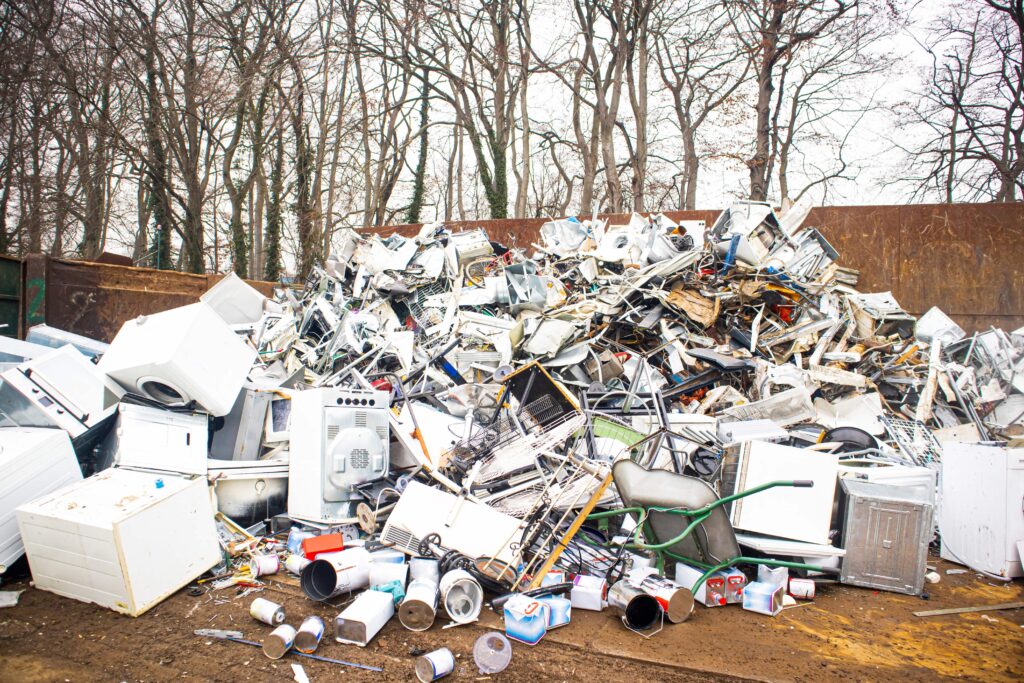
    Ferrous metals are those that contain iron. They are the most common type of recycled metal and include steel and iron. While they are not as valuable as their non-ferrous counterparts, they are plentiful and form the backbone of the recycling industry. Think of items like old appliances (washing machines, dryers, refrigerators), car bodies, and structural steel. Don’t disregard these items; their weight can add up, and recycling them is still a worthwhile and environmentally responsible choice.

    A classic story we hear at our facility is from a homeowner who was clearing out their garage. They had an old, broken-down lawnmower and a set of rusty weightlifting plates. Initially, they were just going to take them to the dump. After a quick chat with one of our team members, they learned that both items were primarily steel. While not a huge windfall, the cash they received was a pleasant surprise and far better than paying a disposal fee. This is the essence of what we do: finding value where others see waste.

    Non-Ferrous Metals | The Hidden Gems of Scrap

    This is where the real treasure hunt begins. Non-ferrous metals do not contain iron and are not magnetic. They are generally more resistant to rust and corrosion than ferrous metals, and most importantly, they are significantly more valuable at the scrap yard. The most common non-ferrous metals you’ll find in your home include:


    • Copper: The king of scrap metals. Its reddish-brown hue is distinctive, and it’s found in electrical wiring, plumbing pipes, and inside many electronic devices.
    • Aluminum: Lightweight and versatile, aluminum is found in everything from soda cans to window frames and even in some high-end car parts.
    • Brass: A combination of copper and zinc, brass has a yellowish color and is often found in plumbing fixtures, keys, and decorative items.
    • Stainless Steel: While it might sound like a ferrous metal, most common grades of stainless steel are non-magnetic due to their nickel content. You’ll find it in kitchen sinks, high-end appliances, and some cookware.

    One of our regular customers, a plumber by trade, always has a bin of scrap copper pipes and brass fittings in his truck. He once told us a story about a major renovation project he worked on in an older home. The entire plumbing system was being replaced. He diligently collected all the old copper pipes and brass fixtures. By the end of the job, he had a significant haul of high-value scrap metal. This not only added a substantial bonus to his income from the project but also diverted a large amount of recyclable material from the landfill. This is a perfect example of how a little knowledge and effort can lead to big rewards.

    A Tour of Your Home | Uncovering Valuable Scrap Metal in Everyday Items

    Now that you have a basic understanding of the different types of metals, let’s take a virtual tour of your home to pinpoint where these valuable materials might be hiding.

    The Kitchen | A Hotspot for Hidden Metals

    Your kitchen is a fantastic place to start your search for valuable scrap metal. Old appliances are an obvious source. That old refrigerator in the garage or the broken microwave collecting dust contains a mix of ferrous and non-ferrous metals. The outer shell is likely steel, but inside, you’ll find copper wiring in the motors and compressors.

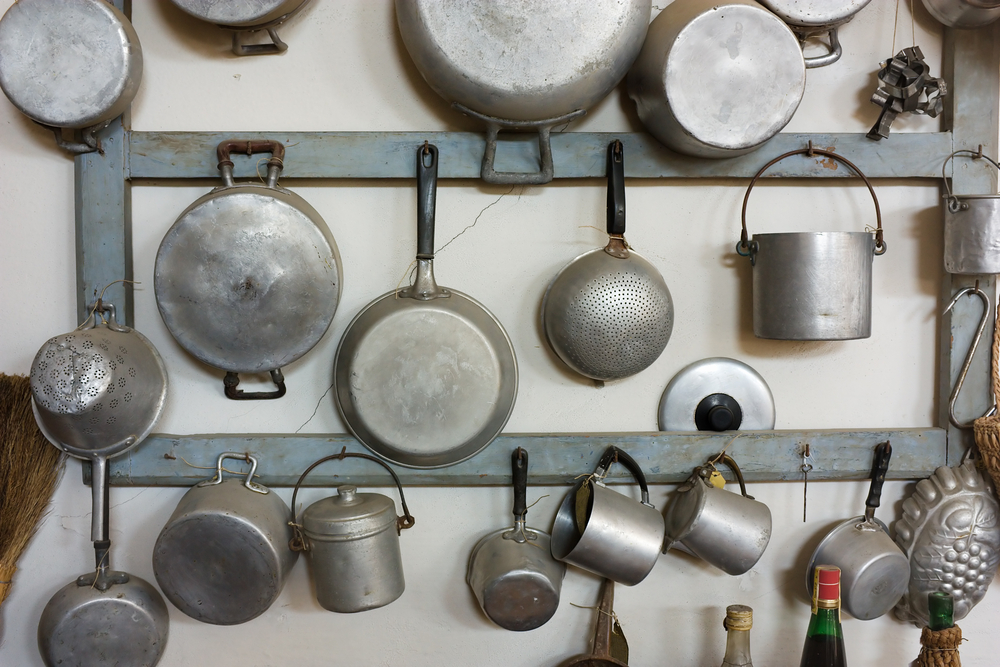
    Don’t overlook the smaller items. Stainless steel pots and pans, while not as valuable as copper, can be recycled. Brass is often found in the faucets and plumbing under the sink. Aluminum baking sheets and old utensils can also be added to your scrap pile.

    A family once came to our yard with the entire contents of their late grandmother’s kitchen. They were preparing the house for sale and were about to throw everything away. We helped them sort through the items, identifying a surprising amount of stainless steel cookware, some old brass decorative pieces, and a significant amount of aluminum from old bakeware. What they thought was a cleanup chore turned into a small but meaningful inheritance.

    The Bathroom | Plumbing for Profit

    Much like the kitchen, the bathroom is a prime location for finding valuable metals, particularly from plumbing fixtures. Old brass faucets, showerheads, and drain fittings are excellent finds. If you’re doing any remodeling, the copper pipes behind the walls are a significant source of high-value scrap. Even the small chrome-plated brass fittings can add up.

    We often advise DIY renovators to keep a separate bucket for these smaller metal pieces. It’s easy to overlook them in the midst of a big project, but their value can be surprising. It’s a testament to the idea that every little bit counts in the world of metal recycling DFW.

    The Garage and Workshop | A DIY Dream

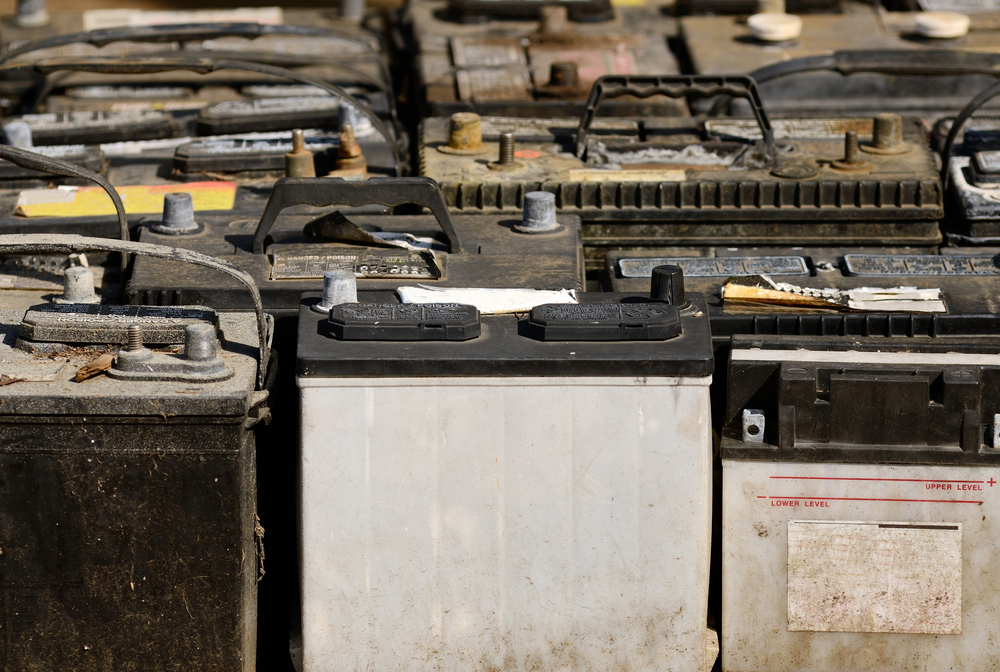
    The garage is often a forgotten repository of potential scrap. Old tools, car parts, and leftover building materials can all have value. That old car battery sitting in the corner? It contains lead and can be safely recycled for a good price. Aluminum car rims are another high-value item.

    If you’re a woodworker or a mechanic, you likely have a collection of old power tools. The electric motors inside these tools contain copper wiring. Even broken tools that are beyond repair can be dismantled for their metal components.

    One of our most memorable stories comes from a retired mechanic. He spent a weekend cleaning out his garage and brought in a truckload of what he called “40 years of memories.” It was a mix of old car parts, broken tools, and leftover construction materials from countless projects. We spent a good hour helping him sort through everything, identifying different grades of steel, aluminum, and even some brass from old fittings. He left with a smile on his face and a significant check in his pocket, a tangible reward for a lifetime of tinkering.

    Electronics | The Modern Gold Mine for Spotting Valuable Scrap

    In today’s digital age, we are surrounded by electronics. And when these devices reach the end of their life, they become a source of some of the most valuable scrap metal. While the quantities in each device are small, they can be significant when collected in bulk.

    • Computers and Laptops: These are a treasure trove of precious metals. The circuit boards contain small amounts of gold, silver, and platinum. The wiring contains copper, and the heat sinks are often made of aluminum.
    • Televisions: Older CRT televisions have copper yokes, while newer flat-screen TVs have circuit boards and copper wiring.
    • Mobile Phones: Although small, mobile phones contain a surprising amount of valuable metals, including gold, silver, copper, and palladium.
    • Small Appliances and Gadgets: Don’t forget about old blenders, coffee makers, and other small kitchen appliances. Their motors and wiring all contain copper.

    A local school district partnered with us for an e-waste recycling drive. The sheer volume of old computers, monitors, and other electronic devices was staggering. It was a fantastic community initiative that not only promoted responsible recycling but also raised funds for the school. This illustrates the collective power of recycling and how even small, seemingly insignificant items can contribute to a larger, positive impact. When you’re considering metal recycling DFW, remember that electronics are a key component.

    Getting the Best Value | Tips for Maximizing Your Scrap Metal Profits

    Once you’ve gathered your scrap metal, there are a few things you can do to get the best possible price. The DFW scrap metal prices can fluctuate based on market demand, but by following these tips, you can maximize your return.

    Sorting and Separating | The Key to Higher Payouts

    The single most important thing you can do to increase the value of your scrap is to sort it properly. Separate your ferrous metals from your non-ferrous metals. Then, within the non-ferrous category, separate the copper, brass, aluminum, and stainless steel. Clean and well-sorted materials are easier for us to process, and we pass that value on to you in the form of higher prices.

    For example, a clean, stripped copper wire will fetch a much higher price than a tangled mess of mixed insulated wires. Taking the time to prepare your materials demonstrates your knowledge and commitment, and it will be reflected in your payout.

    Cleaning Your Metals | A Little Effort Goes a Long Way

    While we don’t expect your scrap to be pristine, removing excessive dirt, plastic, and other contaminants can increase its value. For instance, if you have aluminum siding, removing any attached wood or insulation will result in a better price. The same goes for cleaning any food residue from aluminum cans.

    Choose Action Metals Recycling | Your Partner in Metal Recycling DFW

    The world of scrap metal is full of hidden opportunities. By learning how to spot valuable scrap metal in the everyday items around your home, you can not only contribute to a more sustainable future but also earn some extra money in the process. From the copper in your walls to the aluminum in your garage, there is value waiting to be discovered. The next time you’re about to throw something away, take a moment to consider its metallic potential. With a little knowledge and a keen eye, you can become a master at spotting valuable scrap.

    At Action Metals Recycling, we are more than just a scrap yard. We see ourselves as your partner in the recycling process. We are committed to providing a transparent, fair, and friendly service to all our customers, from the individual homeowner with a few pounds of aluminum cans to the large commercial contractor with tons of steel.

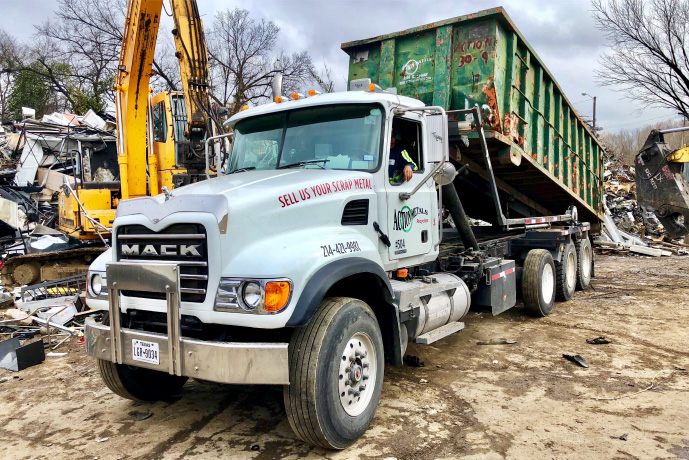
    Our state-of-the-art facility is equipped to handle a wide variety of metals, and our experienced team is always on hand to help you identify and sort your materials. We use certified scales to weigh your scrap accurately, and we offer competitive DFW scrap metal prices based on the latest market data. For those larger jobs, we also offer container services to make your recycling efforts as convenient as possible.

    We also believe in education. That’s why we’ve created this guide and other resources to help you understand the value of what you have. We want to empower you to make informed decisions and get the most out of your recycling efforts.

    Are you ready to turn your scrap metal into cash? Gather your findings and bring them down to Action Metals Recycling. Our friendly and knowledgeable team is ready to help you get the best price for your materials. We are conveniently located in Dallas and serve the entire DFW metroplex. Visit our website or give us a call today to learn more about our services and the current DFW scrap metal prices. Let us help you unlock the hidden value in your everyday items!

    FAQ

    Q. What is the most valuable scrap metal I can find in my home?

    Copper is generally the most valuable scrap metal you’ll find in common household items. It’s prevalent in electrical wiring, plumbing pipes, and the motors of many appliances.22

    Q. How can I tell the difference between aluminum and stainless steel?

    While both are non-magnetic, aluminum is very lightweight and has a duller, silver-white color.23 Stainless steel is much heavier and typically has a shinier, more chrome-like appearance. At Action Metals Recycling, we can help you with accurate identification.

    Q. Do I need to clean my scrap metal before bringing it in?

    While not always required, cleaning your scrap metal by removing excessive dirt, plastic, or other non-metal attachments can often result in a higher price.24 For example, clean aluminum cans or stripped copper wire will fetch a better price than their contaminated counterparts.25

  3. Things You Shouldn't Do When Recycling Scrap Metal

    5 Things You Shouldn’t Do When Recycling Scrap Metal

    At Action Metals in Dallas, we’re passionate about the positive impact of scrap metal recycling. It’s a powerful way for all of us to contribute to a healthier environment and even put some extra money in our pockets. 

    To ensure the process is safe, efficient, and yields the best possible results, there are certain things you should avoid when preparing and bringing in your scrap metal. Let’s quickly walk through the five key things you absolutely shouldn’t do when participating in metal recycling.

    1. Don’t Bring Hazardous Materials Mixed with Your Scrap Metal

    This is paramount for the safety of everyone involved and the integrity of the recycling process. Hazardous materials can contaminate other scrap metal, making it unusable, and more importantly, they can pose serious health risks. 

    Items like paint cans (especially with wet paint), aerosols, batteries (unless specifically designated for recycling), fluorescent light bulbs, and any containers holding chemicals or flammable liquids should never be mixed in with your regular scrap metal. These items often require specialized disposal methods. 

    At Action Metals, we can guide you on the proper handling of certain items if you’re unsure, but as a general rule, keep them separate from your recyclable metal. Improper disposal can lead to environmental contamination and put our team at risk.

    2. Don’t Include Non-Metallic Materials Attached to Your Scrap Metal

    While we appreciate you bringing in your scrap metal, the presence of excessive non-metallic materials can complicate the recycling process and reduce the value of your load. Things like plastic handles firmly attached to metal tools, rubber hoses still connected to metal pipes, large amounts of wood bolted to steel structures, or glass embedded in metal frames should be removed as much as reasonably possible. 

    While small amounts of these materials are often unavoidable (like the insulation on some wires), large quantities require extra time and effort for us to separate, which can affect the grading and pricing of your metal recycling. Taking the time to dismantle and separate these materials at home will not only make the process smoother for us but could also potentially increase the value you receive for your scrap metal.

    3. Don’t Attempt to Recycle Stolen Materials

    This should go without saying, but it’s a crucial point. Reputable scrap metal recyclers like Action Metals work closely with law enforcement to prevent the recycling of stolen goods. 

    Bringing in materials that you do not legally own can lead to serious legal consequences for you. We have protocols in place to identify suspicious items and report them to the authorities. We believe in ethical and responsible metal recycling, and that includes ensuring the materials we process have been obtained legally. It’s simply not worth the risk.

    4. Don’t Mix Different Types of Scrap Metal In Large Quantities

    While we can certainly sort and process all types of scrap metal that come through our doors, if you’re bringing in a significant quantity, especially from a commercial or industrial source, taking the time to sort different types of metal recycling can be beneficial. 

    For example, separating your aluminum from your steel, or keeping your copper pipes distinct from your brass fixtures, can streamline the process and potentially lead to more efficient processing and better pricing. 

    While we don’t expect homeowners bringing in smaller loads to meticulously sort every piece, for larger volumes, understanding the different grades of scrap metal and keeping them separate can be advantageous for everyone involved in the metal recycling chain.

    5. Don’t Ignore Safety Precautions When Handling and Transporting Scrap Metal

    Your safety is just as important as the safety of our team. Scrap metal can often be heavy, sharp, and unwieldy. When handling and transporting metal for recycling, always wear appropriate protective gear such as gloves and sturdy shoes. Be mindful of lifting heavy items correctly to avoid injury. Secure your load properly in your vehicle to prevent shifting or falling during transport, which could pose a danger to yourself and others on the road. 

    When you arrive at Action Metals, our team will guide you on the safest way to unload your scrap metal. Following these simple safety precautions ensures a smooth and incident-free experience for everyone involved in the scrap metal recycling process.

    Recycling Right for a Better Outcome

    By avoiding these five common mistakes, you can make your scrap metal recycling experience more efficient, safer, and ultimately more rewarding. At Action Metals in Dallas, we are committed to providing a reliable and environmentally responsible outlet for your metal recycling needs. By working together and following these guidelines, we can all contribute to a more sustainable future while maximizing the value of your scrap metal.

    Ready to recycle your scrap metal the right way? Reach out to Action Metals today and we’ll talk through the best way to safely and efficiently recycle your metal. Let’s make metal recycling a positive experience for everyone!

    FAQ | Frequently Asked Questions About Safe Scrap Metal Recycling

    Q. What are some common hazardous materials that should never be mixed with scrap metal?

    Common hazardous materials include paint cans (wet), aerosols, batteries (non-recyclable types), fluorescent light bulbs, and containers holding chemicals or flammable liquids. These require specialized disposal.

    Q. Why is it important to remove non-metallic materials from scrap metal?

    Excessive non-metallic materials complicate the recycling process, require extra separation effort, and can reduce the value of your scrap metal load. Removing them helps streamline the process.

    Q. What happens if someone tries to recycle stolen metal at Action Metals?

    Action Metals works closely with law enforcement and has protocols in place to identify and report suspicious materials. Attempting to recycle stolen goods can lead to serious legal consequences.

  4. Environmental Benefits of Scrap Metal Recycling

    7 Environmental Benefits of Scrap Metal Recycling

    In our journey towards a more sustainable future, every action counts. One of the most impactful ways we can contribute to a healthier planet is through scrap metal recycling.

    At Action Metals in Dallas, we witness firsthand the remarkable transformation of discarded metal into valuable resources. It’s more than just a business for us; it’s our commitment to environmental stewardship. Let’s explore the profound environmental benefits of recycling and why it’s a crucial practice for our communities and the world.

    Conserving Our Precious Natural Resources

    The Earth’s resources are finite. Extracting virgin metals from the earth through mining is an energy-intensive process that can lead to habitat destruction, soil erosion, and water pollution.By engaging in metal recycling, we significantly reduce the demand for newly mined ores.This conservation of natural resources is a cornerstone of environmental protection. Consider the energy savings alone: recycling aluminum can save up to 95% of the energy needed to produce new aluminum from raw materials. Recycling steel also offers substantial energy savings, reducing the strain on our planet’s reserves of iron ore, coal, and limestone.

    Reducing Energy Consumption and Greenhouse Gas Emissions

    Manufacturing products from recycled scrap metal requires far less energy compared to using virgin ores. This decreased energy consumption translates directly into a reduction in greenhouse gas emissions, a major contributor to climate change. Studies have shown that recycling steel and aluminum can drastically lower these emissions. For instance, recycling one ton of aluminum can prevent up to nine tons of carbon emissions. By choosing to recycle your scrap metal, you are actively participating in mitigating the effects of climate change and contributing to cleaner air for everyone.

    Minimizing Landfill Waste

    Landfills are rapidly filling up, and the decomposition of some materials can take hundreds, even thousands, of years. Metals, in particular, do not easily break down and can take up valuable space. Furthermore, some scrap metals contain hazardous substances like lead and mercury, which can leach into the soil and groundwater, posing serious risks to both the environment and human health. Recycling scrap metal diverts these materials from landfills, reducing waste accumulation and preventing the release of harmful toxins into our ecosystems. At Action Metals, we make sure these potentially hazardous materials are handled responsibly, keeping our communities safe.

    Lessening Pollution

    The traditional processes of mining and refining metals are significant sources of pollution, affecting our air and water quality. Mining operations can contaminate waterways with heavy metals and chemicals, while smelting processes release harmful pollutants into the atmosphere. By utilizing recycled metal, we decrease the need for these environmentally damaging practices. The Northeast Recycling Council reports that using recycled steel results in an 86% reduction in air pollution, a 76% reduction in water pollution, and 40% less water used overall. Choosing scrap metal recycling is a choice for cleaner air and water for ourselves and future generations.

    Supporting a Circular Economy

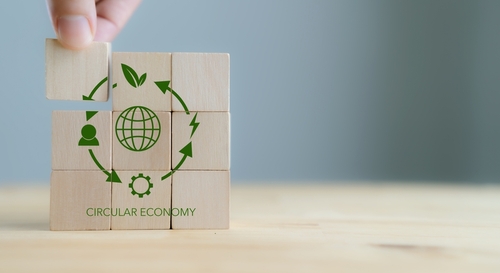
    Scrap metal recycling is a vital component of a circular economy, a system where resources are kept in use for as long as possible, extracting the maximum value from them whilst then recovering and regenerating products and materials at the end of each service life. Metals are unique in that they can be recycled repeatedly without significant degradation in their properties. This endless recyclability makes scrap metal a valuable resource that can be reintroduced into the manufacturing process again and again, reducing our reliance on virgin materials and minimizing waste.

    Economic Benefits and Job Creation

    Beyond the clear environmental advantages, scrap metal recycling also offers significant economic benefits. The industry generates billions of dollars annually and supports hundreds of thousands of jobs in collection, processing, and manufacturing. By selling your scrap metal to facilities like Action Metals, you are not only contributing to a greener planet but also participating in a robust economic sector. Furthermore, using recycled metal can be more cost-effective for businesses, reducing their production expenses and ultimately benefiting consumers.

    How You Can Contribute to Scrap Metal Recycling

    Every piece of scrap metal, no matter how small, has the potential to make a difference. Whether it’s an old appliance, construction debris, or even just aluminum cans, bringing your scrap metal to a reputable recycling center like Action Metals in Dallas is a positive step towards environmental responsibility. We handle a wide variety of metals, including aluminum, brass, copper, stainless steel, and ferrous metals. Our facilities are equipped to efficiently process these materials, ensuring they are ready to be transformed into new products.

    Action Metals | Your Partner in Environmental Responsibility

    The environmental benefits of scrap metal recycling are undeniable. From conserving natural resources and reducing energy consumption to minimizing landfill waste and pollution, recycling plays a crucial role in protecting our planet.

    By choosing to recycle your scrap metal with Action Metals in Dallas, you are becoming an active participant in this vital process. Together, we can turn what was once considered waste into valuable resources, fostering a healthier and more sustainable environment for generations to come. Contact us today to learn more about how you can contribute and profit from environmental-friendliness.

    At Action Metals, we are more than just a scrap yard. We are a fully licensed and environmentally conscious recycling facility committed to providing top-market prices for your scrap metal while adhering to the highest environmental standards. Our concrete, fully permitted facility is SWPPP Certified, and we comply with all local and state ordinances to safeguard our community and the environment. We offer convenient services for both commercial and residential customers, including industrial clean-up services and easy drop-off options. We believe that by making scrap metal recycling accessible and profitable, we can collectively contribute to a more sustainable future.

    Do your part for the environment and your wallet! Bring your scrap metal to Action Metals in Dallas today for the best prices and environmentally responsible recycling.

    FAQ | Frequently Asked Questions About Scrap Metal Recycling

    Q. What types of scrap metal can be recycled?

    We accept a wide range of ferrous and non-ferrous metals, including aluminum, brass, copper, stainless steel, steel (ferrous scrap), insulated wire, radiators, car batteries, alternators, and lead.

    Q. Why is recycling scrap metal important for the environment?

    Recycling scrap metal conserves natural resources by reducing the need for mining, saves energy compared to producing new metals, lowers greenhouse gas emissions, minimizes landfill waste, and reduces air and water pollution.

    Q. Does Action Metals follow environmentally responsible practices?

    Yes, Action Metals is a fully licensed and SWPPP Certified recycling facility. We operate out of a concrete, permitted site and comply with all local and state environmental regulations to ensure our processes are safe and environmentally sound.

  5. Dallas Scrap Metal Recycling FAQ

    Non-Ferrous and Ferrous Metals

    At Action Metals, we encounter a wide array of metals daily, all with their own unique properties and applications. Understanding the fundamental differences between non-ferrous and ferrous metals is crucial for efficient recycling and resource management. 

    Let’s explore these categories, dig into their distinct characteristics, and uncover why this knowledge should matter to us all.

    The Magnetic Divide

    Ferrous metals are characterized by their iron content, which imparts magnetic properties and makes them susceptible to rust and corrosion. Steel, cast iron, and wrought iron are common examples. The presence of iron significantly influences their strength, durability, and applications.

    Iron | Magnetic and Corrosive

    The iron content in ferrous metals is responsible for their magnetic attraction. This property is vital in various industrial applications, such as electromagnetic machinery and magnetic separation processes. However, iron also makes these metals vulnerable to rust and corrosion, especially in humid or wet environments.

    Strong and Durable

    Ferrous metals, particularly steel, are renowned for their strength and durability. They form the backbone of numerous industries, including construction, automotive, and manufacturing. Steel beams support skyscrapers, and steel components are essential in vehicle manufacturing.

    Cost-Effective

    Iron is one of the most abundant elements on Earth, making ferrous metals relatively cost-effective. This affordability contributes to their widespread use in various applications, from everyday tools to large-scale infrastructure projects.

    Magnetic Separation

    The magnetic properties of ferrous metals simplify their recycling process. Magnetic separators are used to efficiently separate these metals from other materials, ensuring efficient recovery and reuse.

    Non-Magnetic Metals

    Non-ferrous metals, as the name suggests, lack iron content and are therefore non-magnetic. They are generally more resistant to corrosion and often possess unique properties, such as high conductivity and malleability. Examples include aluminum, copper, brass, and lead.

    Corrosion-Resistant

    Non-ferrous metals exhibit excellent corrosion resistance, making them ideal for applications exposed to harsh environments. Aluminum, for example, is widely used in outdoor applications due to its resistance to rust.

    Conductive and Malleable

    Many non-ferrous metals, such as copper and aluminum, possess high electrical and thermal conductivity. Copper wiring is essential in electrical systems, and aluminum is used in heat sinks and electronic components. Their malleability allows them to be easily shaped and formed.

    Lightweight and Beautiful

    Aluminum’s lightweight properties make it a popular choice in the aerospace and automotive industries. Non-ferrous metals are also valued for their aesthetic appeal, often used in decorative applications and architectural designs.

    High Value

    Many non-ferrous metals retain high monetary value when recycled. This creates strong economic incentives for collection and processing. Because of this, it is very important to recycle these materials.

    The Implications for Recycling and Sustainability

    Understanding the differences between non-ferrous and ferrous metals is essential for efficient recycling and resource management. Proper sorting and separation of these metals are crucial for maximizing recovery and minimizing waste.

    Efficient Sorting

    Accurate sorting and separation of non-ferrous and ferrous metals are vital for efficient recycling. Magnetic separators are used to separate ferrous metals, while other methods are employed for non-ferrous metals. This ensures that valuable materials are recovered and reused.

    Resource Conservation

    Recycling metals reduces the need for virgin material extraction, conserving natural resources and minimizing environmental impact. By understanding the properties of different metals, we can optimize recycling processes and promote sustainability.

    Economic Benefits

    Recycling metals creates economic value by recovering valuable materials and reducing waste disposal costs. Efficient recycling practices contribute to a circular economy, where resources are reused and repurposed.

    Environmental Stewardship

    Proper metal recycling helps to prevent harmful substances from entering the environment. It also reduces energy consumption, and pollution when compared to creating new materials.

    Call on Action Metals for Your Ferrous and Non-Ferrous Metals Recycling Needs

    We encourage you to partner with Action Metals and contribute to our sustainable recycling efforts. Contact us today to learn how you can benefit from our expertise in handling both non-ferrous and ferrous metals. Together, we can create a more sustainable future.

    FAQ

    Q: What is the main difference between non-ferrous and ferrous metals?

    Ferrous metals contain iron and are magnetic, while non-ferrous metals lack iron and are non-magnetic.

    Q: Why is it important to separate non-ferrous and ferrous metals for recycling?

    Proper separation ensures efficient recovery, maximizes resource conservation, and minimizes waste.

    Q: What are some common examples of non-ferrous metals?

    Common examples include aluminum, copper, brass, and lead.

    Q: What are the benefits of recycling non-ferrous metals?

    Recycling non-ferrous metals conserves resources, reduces energy consumption, and creates economic value.

    Q: How does Action Metals contribute to sustainable metal recycling?

    Action Metals utilizes efficient sorting and separation techniques to maximize metal recovery and promote environmental stewardship.

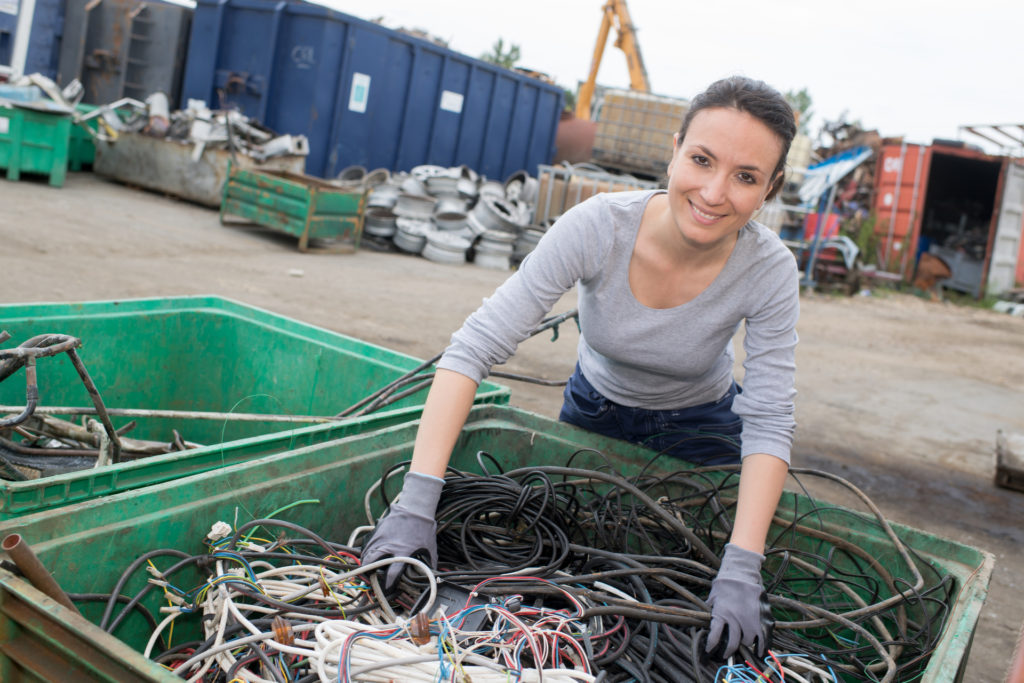
  6. Female doing scrap metal recycling at a scrap metal yard in Dallas TX

    How Global Metal Prices Shape Local Recycling Rates

    At Action Metals, we recognize the ebb and flow of global metal prices isn’t just a distant economic phenomenon — it’s a force that directly shapes the landscape of our local recycling efforts. Understanding this intricate relationship is key to fostering a sustainable and thriving recycling community. Let’s explore how these global market tides influence our daily operations and the broader local economy.

    The Global Metal Market

    The global metal market operates like a complex orchestra, where numerous instruments—supply and demand, economic health, geopolitical events, and technological innovations—play together, creating a symphony of volatility. This constant fluctuation directly impacts the profitability and viability of local recycling initiatives.

    Supply and Demand Dynamics

    The core economic principle of supply and demand dictates metal pricing. When the burgeoning electric vehicle market drives up demand for lithium and cobalt, we witness price surges. Conversely, a surplus in steel production can lead to a significant price drop, impacting the economic incentive to recycle. We must continuously monitor these shifts to adapt our strategies.

    Economic Indicators

    The overall health of the global economy serves as a vital indicator. During periods of robust economic growth, industrial activity escalates, fueling demand for metals and driving prices upward. Conversely, economic downturns lead to reduced industrial output, diminishing demand and lowering prices. We must remain attuned to these economic pulses to anticipate market trends.

    Geopolitical Influences

    Political instability, trade disputes, and sanctions introduce significant unpredictability into the metal market. For example, trade tariffs on aluminum can disrupt established supply chains, altering the competitive landscape and subsequently affecting local recycling rates. We must be prepared to navigate these geopolitical complexities.

    Technological Advancements

    The relentless march of technological progress introduces both challenges and opportunities. The development of advanced recycling technologies enhances our ability to recover valuable materials, while the emergence of alternative materials can reshape demand patterns. We must remain at the forefront of these technological shifts to maintain our competitive edge.

    Local Recycling Rates

    The impact of global metal prices reverberates through our local recycling ecosystem, directly influencing the volume of materials we process and the economic viability of our operations.

    Economic Incentives

    High global metal prices create a powerful economic incentive for individuals and businesses to participate in recycling. When scrap metal becomes more valuable, we witness a surge in the volume of materials flowing into our local recycling facilities. We must leverage these incentives to maximize material recovery.

    Collection and Processing

    Favorable metal prices empower us at Action Metals to invest in cutting-edge infrastructure and advanced equipment, significantly enhancing our efficiency and enabling us to handle larger volumes of materials. This investment is crucial for maintaining a robust local recycling infrastructure.

    Consumer Behavior

    Consumers respond to economic signals. When they perceive a tangible economic benefit, such as higher scrap metal prices offered by local recyclers, they are more likely to actively participate in recycling programs. We must communicate these benefits effectively to encourage widespread participation.

    Industry Viability

    Prolonged periods of low metal prices can pose a significant threat to the financial sustainability of local recycling operations, potentially leading to closures and a diminished recycling capacity within our communities. We must implement resilient business strategies to weather these market fluctuations.

    Action Metals | Steer Through Market Volatility | Local Prosperity

    At Action Metals, we are committed to navigating the turbulent waters of the global metal market to ensure the continued success of our local recycling initiatives. We strive to offer fair and competitive prices, invest in innovative technologies, and foster strong community partnerships.

    We are dedicated to providing transparent and competitive pricing, ensuring that our local suppliers and customers receive equitable compensation for their valuable scrap metal. This commitment to fairness builds trust and strengthens our community relationships.

    We continuously invest in state-of-the-art recycling equipment and technologies to optimize our operations, minimize waste, and reduce our environmental footprint. This investment enables us to recover valuable materials more efficiently and sustainably.

    We actively engage with our local community, promoting recycling awareness, providing educational resources, and fostering collaborative partnerships. This community-centric approach strengthens our collective commitment to sustainability.

    We adhere to stringent environmental standards and implement sustainable practices throughout our operations, minimizing our impact on the planet and preserving resources for future generations. This commitment to sustainability is at the core of our mission.

    We invite you to join Action Metals in our mission to build a more sustainable and prosperous local community. Contact us today to learn how you can benefit from our competitive pricing, advanced recycling technologies, and unwavering commitment to environmental stewardship. Together, we can navigate the challenges of the global metal market and create a brighter future for our community.

    FAQ

    Q: How do global metal prices directly affect local recycling rates?

    Global metal prices directly impact the economic incentives for recycling, influencing the volume of materials collected and processed locally.

    Q: What are the key factors that drive global metal price fluctuations?

    Key factors include supply and demand dynamics, global economic health, geopolitical events, and technological advancements.

    Q: How do you navigate global metals price volatility?

    Action Metals navigates these challenges by offering fair pricing, investing in advanced technology, and fostering strong community engagement.

    Q: Why is a robust local recycling infrastructure essential for mitigating the impact of global price fluctuations?

    A robust local infrastructure ensures efficient collection, processing, and logistics, enabling us to maximize material recovery regardless of market conditions.

    Q: How can individuals and businesses contribute to strengthening local recycling efforts?

    Individuals and businesses can contribute by partnering with local recyclers like Action Metals, actively participating in recycling programs, and promoting recycling awareness within their communities.

  7. How to Safely Remove Metal from Old Appliances

    How to Safely Remove Metal from Old Appliances

    At Action Metals, we understand the value hidden within your old appliances. Those seemingly useless machines contain a wealth of recyclable metals, but extracting them safely requires knowledge and care. We’ve seen countless appliances come through our doors, and we’re here to guide you through how to safely remove metal from old appliances, maximizing both your safety and your potential payout.

    Prioritize Safety First

    Before you begin dismantling any appliance, safety must be your top priority. Old appliances can harbor electrical hazards, sharp edges, and potentially harmful substances. We’ve witnessed a few close calls, and it is imperative that we prevent any injuries.

    Disconnect Power Sources: Always unplug the appliance from any electrical outlet. For gas appliances, disconnect the gas line and ensure there are no leaks.

    Discharge Capacitors: In appliances like microwaves, capacitors can store electrical charges even after being unplugged. Use a screwdriver with an insulated handle to discharge them.

    Wear Protective Gear: Wear safety glasses, gloves, and sturdy shoes to protect yourself from sharp edges and potential hazards.

    Work in a Well-Ventilated Area: Some appliances may contain refrigerants or other hazardous substances. Work in an open or well-ventilated area to minimize exposure.

    By adhering to these safety precautions, you can minimize the risk of injury and ensure a safe dismantling process.

    Identifying and Locating Valuable Metals

    Old appliances contain a variety of valuable metals, each with its own unique characteristics and market value. Knowing where to find these metals is crucial for maximizing your payout. We’ve seen many people overlook valuable components simply because they didn’t know where to look.

    • Copper Wiring: Found in motors, compressors, and electrical components. Copper wiring is highly valuable and should be carefully extracted.
    • Aluminum: Found in appliance casings, heat sinks, and some internal components. Aluminum is lightweight and recyclable.
    • Steel and Iron: Found in appliance frames, casings, and motors. These ferrous metals are abundant and recyclable.
    • Stainless Steel: Found in appliance interiors, trim, and some components. Stainless steel is corrosion-resistant and valuable.
    • Brass: Found in plumbing fixtures, valves, and some electrical components. Brass is a valuable non-ferrous metal.

    Understanding where these metals are located within your appliances will streamline the dismantling process.

    Disassembling Appliances Methodically

    Disassembling appliances requires a methodical approach. Start by removing exterior panels and then work your way inward. We’ve found that rushing the process can lead to damage and wasted materials.

    1. Remove Exterior Panels: Use a screwdriver or wrench to remove screws and bolts securing the exterior panels.
    2. Identify and Remove Components: Carefully identify and remove components containing valuable metals, such as motors, compressors, and wiring.
    3. Separate Metals: As you disassemble the appliance, separate the different types of metals into distinct piles.
    4. Use Appropriate Tools: Utilize tools such as screwdrivers, wrenches, pliers, and wire cutters to facilitate the dismantling process.

    Taking your time and disassembling the appliance systematically will ensure you extract all valuable metals.

    Handling Refrigerants Responsibly

    Refrigerators and air conditioners contain refrigerants that can be harmful to the environment. It is crucial to handle these substances responsibly and in accordance with local regulations. We have seen the damage that improper refrigerant disposal causes.

    • Contact a Certified Technician: Engage a certified technician to safely remove and dispose of refrigerants.
    • Do Not Release Refrigerants into the Atmosphere: Releasing refrigerants is illegal and harmful to the ozone layer.
    • Follow Local Regulations: Adhere to local regulations regarding the disposal of appliances containing refrigerants.

    By handling refrigerants responsibly, you contribute to environmental protection and avoid potential legal issues.

    Preparing Metals for Recycling

    Once you’ve extracted the metals, preparing them for recycling can further enhance your payout. Cleanliness and separation are key.

    • Remove Non-Metal Attachments: Remove any plastic, rubber, or other non-metal attachments from the extracted metals.
    • Clean Metals: Clean the metals to remove dirt, grease, and other contaminants.
    • Sort Metals: Further sort the metals into specific types, such as copper wiring, aluminum cans, and steel components.
    • Cut Large Pieces: If necessary, cut large pieces of metal into smaller, manageable sizes.

    Proper preparation ensures a more accurate weight and valuation at our facility.

    Transporting Metals Safely

    Transporting the extracted metals safely is crucial. Securely loading your materials and adhering to traffic regulations protects both you and other drivers.

    1. Secure Your Load. Use straps, ropes, or nets to secure your metal to your vehicle.
    2. Use a Suitable Vehicle. Ensure your vehicle is capable of handling the weight and volume of your metal.
    3. Follow Traffic Regulations. Adhere to all traffic laws and regulations when transporting your metal.

    By following these safety guidelines, you can ensure a smooth and secure transport process.

    Action Metals Recyclers | DFW | Sell Your Scrap Metal

    Safely removing metal from old appliances is a rewarding endeavor that benefits both your wallet and the environment. By following these steps, you can ensure you extract all valuable metals while minimizing the risk of injury. We at Action Metals are committed to providing fair pricing and excellent service. We encourage you to take the time to properly dismantle and prepare your appliances for recycling.

    Ready to turn your old appliances into cash? Contact Action Metals today for current pricing and expert advice. Visit our website or give us a call to learn more about how we can help you maximize your payout. Let us help you convert your old appliances into valuable resources.

    FAQ

    Q. What safety precautions should I take when dismantling old appliances?

    Disconnect power sources, discharge capacitors, wear protective gear, and work in a well-ventilated area.

    Q. Where can I find copper wiring in old appliances?

    Copper wiring is commonly found in motors, compressors, and electrical components.

    Q. How should I handle refrigerants from old appliances?

    Contact a certified technician to safely remove and dispose of refrigerants.

    Q. Do I need to remove non-metal attachments from the extracted metals?

    Yes, removing non-metal attachments like plastic and rubber can significantly increase the value of your scrap.

    Q. What safety precautions should I take when transporting extracted metals?

    Secure your load, use a suitable vehicle, and follow all traffic regulations to ensure safe transport.

  8. Recycling Scrap Metal in Dallas

    How to Prepare Scrap Metal for Recycling and Maximize Your Payout

    Action Metals understands the value of your scrap metal. Not only does recycling benefit our environment, but it also puts cash back into your pockets. However, simply tossing your metal into a pile won’t yield the best returns. Proper preparation is key to maximizing your payout. 

    Today, let’s go through the step-by-step process of how to prepare scrap metal for recycling and ensure you get the most out of your efforts.

    Sorting and Identifying Your Scrap Metal

    The first step in preparing your scrap metal is sorting and identification. Different metals have varying market values, and separating them accordingly is crucial. We often see customers bringing in mixed piles, which can significantly reduce their payout.

    • Ferrous Metals: These metals are magnetic and contain iron. Examples include steel, iron, and cast iron. They are commonly found in appliances, car parts, and construction materials.
    • Non-Ferrous Metals: These metals are non-magnetic and generally more valuable than ferrous metals. Examples include aluminum, copper, brass, and stainless steel. You’ll find them in wiring, plumbing fixtures, and electronics.

    We recommend using a magnet to easily separate ferrous and non-ferrous metals. Once you’ve separated them, further sort each category into specific types. For instance, separate copper pipes from copper wiring, and aluminum cans from aluminum siding. This detailed sorting process drastically increases the value of your scrap.

    Cleaning and Removing Contaminants

    Cleanliness is paramount when preparing your scrap metal. Contaminants like dirt, rust, plastic, and rubber can lower the value of your materials. We’ve observed that customers who take the time to clean their scrap receive significantly higher payouts.

    Removing Non-Metal Attachments: Disassemble items to remove any non-metal components. For example, remove plastic handles from tools or rubber insulation from wires.

    Cleaning Off Dirt and Debris: Use a wire brush or cloth to remove dirt, grease, and other debris from your metal. For heavily soiled items, consider using a degreaser or cleaning solution.

    Removing Rust: For ferrous metals, removing rust can improve their value. Use a wire brush, sandpaper, or a rust remover to eliminate surface rust.

    Taking the time to remove these contaminants not only improves the appearance of your scrap but also ensures a more accurate weight and valuation.

    Cutting and Sizing Your Scrap Metal

    In many cases, cutting and sizing your scrap metal can make it easier to handle and transport, which can sometimes increase the payout. We often see large, unwieldy pieces that are difficult to process.

    Cutting Large Items

    Use a saw, grinder, or torch to cut large items into smaller, manageable pieces. This not only makes them easier to transport but also facilitates quicker processing at our facility.

    Flattening Aluminum Cans

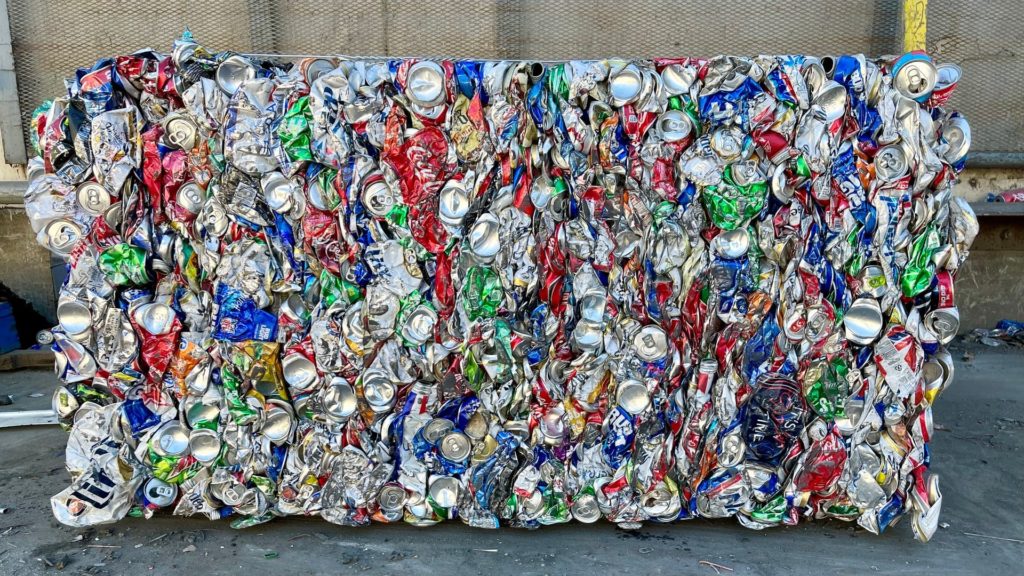
    Flattening aluminum cans reduces their volume, allowing you to transport more at once. This simple step can significantly increase your efficiency.

    Stripping Copper Wire

    Stripping the insulation from copper wire exposes the valuable copper, maximizing its worth. We’ve seen many customers increase their profits simply by stripping their copper wire.

    By cutting and sizing your scrap, you make the process more efficient for both yourself and us, potentially leading to a better payout.

    Understanding Market Prices

    Metal prices fluctuate based on market demand and global economic conditions. Staying informed about current market prices can help you determine the best time to sell your scrap. We at Action Metals are always transparent and ready to explain the current markets.

    • Checking Online Resources: Websites and industry publications provide up-to-date information on metal prices.
    • Contacting Your Local Scrap Yard: We at Action Metals are always happy to provide current pricing information. Give us a call or visit our website to stay informed.
    • Understanding Price Fluctuations: Be aware that metal prices can change frequently. Timing your sale for when prices are high can significantly impact your earnings.

    By staying informed about market prices, you can make informed decisions and maximize your returns.

    Transporting Your Scrap Metal Safely

    Transporting scrap metal safely is crucial. Securely loading your materials and adhering to traffic regulations protects both you and other drivers. We have seen a few unsafe loads come through our yards.

    • Securing Your Load: Use straps, ropes, or nets to secure your scrap metal to your vehicle. Prevent items from shifting or falling during transport.
    • Using a Suitable Vehicle: Ensure your vehicle is capable of handling the weight and volume of your scrap metal. Overloading your vehicle can be dangerous and illegal.
    • Following Traffic Regulations: Adhere to all traffic laws and regulations when transporting your scrap metal. Drive safely and responsibly.

    By following these safety guidelines, you can ensure a smooth and secure transport process.

    Building a Relationship with Your Scrap Yard

    Establishing a relationship with a reputable scrap yard like Action Metals can be beneficial in the long run. We value our repeat customers and strive to provide fair and competitive pricing.

    • Regularly Visiting Your Scrap Yard: Frequent visits allow you to build rapport with our staff and learn about current market trends.
    • Asking Questions: Don’t hesitate to ask questions about pricing, sorting, and preparation. We are here to help you maximize your payout.
    • Staying Informed: Sign up for our newsletters or follow us on social media to stay updated on pricing and industry news.

    Building a strong relationship with your scrap yard ensures you receive the best possible service and pricing.

    Let Action Metals Help You Optimize Your Scrap Metal Return

    Preparing your scrap metal for recycling is a worthwhile endeavor that benefits both your wallet and the environment. By following these steps, you can ensure you receive the maximum payout for your materials. Action Metals is committed to providing fair pricing and excellent service. We encourage you to take the time to properly sort, clean, and prepare your scrap metal for recycling.

    Ready to turn your scrap metal into cash? Contact Action Metals today for current pricing and expert advice. Reach out to learn more about how we can help you maximize your payout. Let us help you convert your clutter into valuable resources.

    FAQ

    Q. How do I know if my metal is ferrous or non-ferrous?

    Use a magnet. Ferrous metals are magnetic, while non-ferrous metals are not.

    Q. What are the most valuable types of scrap metal?

    Copper, brass, and aluminum are generally among the most valuable non-ferrous metals.

    Q. Do I need to remove all non-metal attachments from my scrap?

    Yes, removing non-metal attachments like plastic and rubber can significantly increase the value of your scrap.

    Q. How often do metal prices change?

    Metal prices can fluctuate frequently based on market conditions. It’s best to check current prices before selling your scrap.

    Q. What safety precautions should I take when transporting scrap metal?

    Secure your load, use a suitable vehicle, and follow all traffic regulations to ensure safe transport.

  9. What Are The Advantages to Recycling Scrap Metal?

    The Most Recycled Metals and Their Surprising Uses

    At Action Metals, we know that metal recycling plays a crucial role in conserving natural resources, reducing energy consumption, and minimizing environmental impact. We’re committed to helping our community understand the importance of metal recycling and the valuable role it plays in a sustainable future. 

    While many metals are recycled, some stand out due to their widespread use and high recycling rates. Let’s take a look at the most recycled metals and find out some of their most surprising uses.

    1. Aluminum | A Lightweight Champion

    Aluminum is one of the most recycled metals globally, prized for its lightweight nature, corrosion resistance, and infinite recyclability. From beverage cans and foil to window frames and airplane parts, aluminum’s versatility is undeniable. One surprising use of recycled aluminum is in the production of new beverage cans, often going from recycling bin to store shelf in just a few weeks. This closed-loop recycling system makes aluminum a true champion of sustainability. We see a lot of aluminum come through our doors at Action Metals, ready for a second life.

    2. Steel | Backbone of Industry

    Steel, an alloy of iron and other elements, is the backbone of modern industry, used in construction, automotive manufacturing, and countless other applications. Its strength, durability, and magnetic properties make it easy to identify and recycle. A surprising use of recycled steel is in new car production. Many car parts contain a significant percentage of recycled steel, reducing the need for virgin ore extraction. Action Metals is proud to play a part in the steel recycling process.

    3. Copper | Electrical Conductor

    Copper, known for its reddish-brown hue and excellent electrical conductivity, is essential for wiring, plumbing, and electronics. Its high value and ease of recycling contribute to its high recycling rate. A surprising use of recycled copper is in the creation of new electrical wiring. Recycled copper maintains its conductivity, making it ideal for this purpose. At Action Metals we handle a large volume of copper recycling.

    4. Lead | Battery Powerhouse

    Lead, a dense and heavy metal, is primarily used in lead-acid batteries, essential for automobiles and other vehicles. Due to its toxicity, proper lead recycling is crucial. One surprising but vital use of recycled lead is, of course, in the production of new car batteries. The lead in old batteries is recovered and reused, reducing the environmental risk associated with lead disposal.

    5. Zinc | Corrosion Fighter

    Zinc, a bluish-white metal, is primarily used for galvanizing steel, protecting it from corrosion. It’s also used in die-casting and batteries. A surprising use of recycled zinc is in creating new galvanized steel sheets, used in roofing, siding, and other construction applications. This extends the life of steel products and reduces the demand for newly mined zinc.

    6. Precious Metals

    While not as abundant as other recycled metals, precious metals like gold, silver, platinum, and palladium are highly valuable and often found in electronics, jewelry, and catalytic converters. Their high value drives their recycling. A surprising use of recycled precious metals is in creating new electronic devices. Even small amounts of these metals are recovered and reused, conserving these limited resources.

    The Importance of Metal Recycling

    Metal recycling offers numerous benefits:

    • Resource conservation: Recycling reduces the need to mine virgin ores, preserving natural resources for future generations.
    • Energy savings: Recycling metal requires significantly less energy than producing metal from raw materials, reducing greenhouse gas emissions.
    • Environmental protection: Recycling reduces pollution associated with mining and manufacturing, protecting our air and water.
    • Economic benefits: Recycling creates jobs and reduces waste disposal costs.

    Action Metals | Your Partner in Metals Recycling

    Make Action Metals in Dallas, TX, your trusted partner in metal recycling. We accept a wide range of ferrous and non-ferrous metals and offer competitive prices for your scrap metal. We make the recycling process easy and convenient, providing a valuable service to our community. Contact us today to learn more about our services and how you can contribute to a more sustainable future through metal recycling! We’re here to answer your questions and help you recycle responsibly.

    Frequently Asked Questions About Metal Recycling

    What types of metal does Action Metals accept?

    We accept a wide range of ferrous and non-ferrous metals, including aluminum, steel, copper, lead, zinc, and precious metals. Contact us for a complete list.

    How do I prepare my metal for recycling?

    Remove any non-metallic attachments, such as plastic or wood. Sorting your metal by type is also helpful.

    Do you offer pick-up services for metal recycling?

    Yes, we offer pick-up services for large quantities of scrap metal. Contact us to discuss your needs.

    How do I get paid for my scrap metal?

    We weigh your metal and pay you based on current market prices. We can discuss payment options with you at the time of service.

    Why should I choose Action Metals for my metal recycling needs?

    We are a reputable and experienced metal recycling company committed to providing excellent customer service, competitive prices, and environmentally responsible recycling practices. We value our customers and our community.

  10. Scrap Steel Recycling in Dallas TX

    10 Common Metals and How to Identify Them for Recycling

    At Action Metals in Dallas, TX, we know that metal recycling is essential for conserving resources and reducing environmental impact. Whether you’re a homeowner cleaning out the garage or a business generating scrap metal, understanding different metal types is crucial for effective recycling. 

    Let’s look at the top 10 common metals and get tips on how to identify them, making your recycling efforts more efficient and profitable. We’re committed to helping our community recycle responsibly, and this knowledge is a valuable tool in that process.

    1. Aluminum

    Aluminum is a lightweight, corrosion-resistant metal widely used in beverage cans, foil, siding, and window frames. It’s highly recyclable and easily identified by its light gray color and non-magnetic properties. Aluminum cans, for example, are a prime example of a readily recyclable material.

    2. Copper

    Copper is a reddish-brown metal known for its excellent electrical conductivity. It’s commonly found in wiring, plumbing pipes, and electronics. Copper is a valuable recyclable material. Scrap copper wire is a common item brought to recycling centers.

    3. Iron

    Iron is a strong, magnetic metal that is the primary component of steel. It’s used in construction, automotive parts, and appliances. Iron is easily identified by its magnetic properties. Old appliances often contain significant amounts of recyclable iron.

    4. Steel

    Steel is an alloy of iron and other elements, making it stronger and more durable than iron alone. It’s used in construction, automotive parts, and appliances. Like iron, steel is magnetic. Steel beams from construction sites are a common source of recyclable material.

    5. Stainless Steel

    Stainless steel is a steel alloy containing chromium, making it highly resistant to corrosion and rust. It’s used in kitchen appliances, cookware, and surgical instruments. Stainless steel is generally non-magnetic or only slightly magnetic. Old kitchen appliances are a good source of stainless steel for recycling.

    6. Lead

    Lead is a heavy, soft metal used in batteries, pipes, and radiation shielding. It’s a toxic metal, so proper handling and recycling are essential. Lead is easily identified by its weight and dull gray color. Car batteries are a common source of recyclable lead.

    7. Zinc

    Zinc is a bluish-white metal used in galvanizing steel, die-casting, and batteries. It’s corrosion-resistant. Zinc is often found in hardware and plumbing fixtures. Old faucets and doorknobs may contain recyclable zinc.

    8. Brass

    Brass is an alloy of copper and zinc, known for its golden-yellow color and corrosion resistance. It’s used in plumbing fixtures, hardware, and musical instruments. Brass is a popular metal for recycling. Old musical instruments or plumbing fixtures may contain recyclable brass.

    9. Nickel

    Nickel is a silvery-white metal known for its corrosion resistance and use in alloys like stainless steel. It’s also used in batteries and plating. Nickel is a valuable and recyclable metal. Certain types of batteries contain recyclable nickel.

    10. Tin

    Tin is a soft, malleable metal used in plating, solder, and tin cans. It’s corrosion-resistant. Tin cans, while often lined with plastic, still contain recyclable tin.

    How to Identify Metals for Recycling

    Identifying metals accurately is crucial for proper sorting and recycling. Here are some helpful tips:

    • Visual inspection: Color, luster, and texture can provide clues.
    • Magnet test: Iron and steel are magnetic. Aluminum, copper, and brass are not. Stainless steel may be slightly magnetic.
    • Weight: Lead is noticeably heavier than other common metals.
    • Spark test: Grinding a metal against a grinding wheel produces sparks with characteristic patterns that can help identify the metal. (This method obviously requires experience.)
    • Chemical tests: For more precise identification, chemical spot tests can be performed, but these should be done with caution and proper safety equipment.

    Why Proper Metal Recycling Matters

    At Action Metals we believe that proper metal recycling is essential for several reasons:

    • Conservation of natural resources: Recycling reduces the need to mine virgin ores.
    • Energy savings: Recycling metal requires significantly less energy than producing metal from raw materials.
    • Environmental protection: Recycling reduces pollution and greenhouse gas emissions associated with mining and manufacturing.
    • Economic benefits: Recycling creates jobs and reduces waste disposal costs.

    Action Metals | Your Partner in Metal Recycling

    We at Action Metals in Dallas, TX, are your trusted partner in metal recycling. We accept a wide range of ferrous and non-ferrous metals. We offer competitive prices for your scrap metal and make the recycling process easy and convenient. We are committed to providing excellent customer service and promoting responsible metal recycling practices in our community. 

    Contact us today to learn more about our services and how you can contribute to a more sustainable future through metal recycling!

    Frequently Asked Questions about Metal Recycling

    What types of metal does Action Metals accept?

    We accept a wide range of ferrous and non-ferrous metals, including aluminum, copper, iron, steel, stainless steel, lead, zinc, brass, nickel, and tin. Contact us for a complete list.

    How do I prepare my metal for recycling?

    Remove any non-metallic attachments, such as plastic or wood. Sorting your metal by type will also speed up the process.

    Do you offer pick-up services?

    Yes, we offer pick-up services for large quantities of scrap metal. Contact us to discuss your needs.

    How do I get paid for my scrap metal?

    We weigh your metal and pay you based on current market prices. We can discuss payment options with you at the time of service.

  11. Why Winter Is the Best Time to Recycle Scrap Metal in Dallas

    Why Winter Is the Best Time to Recycle Scrap Metal in Dallas

    While recycling is a year-round activity, winter presents unique advantages for those looking to recycle scrap metal in Dallas. Let’s explore why the colder months might be the most wonderful time of the year to tackle that scrap metal pile and make some extra cash.

    1. Less Competition at Scrap Yards

    During the winter months, many construction projects slow down or come to a halt due to weather conditions. This decrease in activity often translates to less traffic at scrap yards. With shorter lines and reduced wait times, you can get in and out of the scrap yard more efficiently, maximizing your time and productivity.

    Imagine this: you arrive at the scrap yard with a truckload of metal ready to be recycled. Instead of encountering a long queue and waiting under the scorching summer sun, you find ample space and a quick turnaround. This convenience alone makes winter an appealing time to recycle.

    2. More Availability with Scrap Yard Workers

    With less hustle and bustle at the scrap yard, you might find that the staff has more time to assist you. This personalized attention can be invaluable, especially if you have questions about metal identification, pricing, or the recycling process itself.

    Perhaps you have a collection of different metals and aren’t sure how to separate them or which ones are most valuable. The scrap yard workers can offer guidance, ensuring you receive the best possible price for your materials.

    3. Potential for Better Pricing

    While scrap metal prices fluctuate based on various market factors, winter can sometimes offer opportunities for better pricing. The reduced supply of scrap metal during the colder months may lead to increased demand and potentially higher prices.

    It’s always a good idea to stay updated on current scrap metal prices and compare rates at different scrap yards. You might find that winter offers a slight edge in terms of maximizing your earnings.

    4. Ideal Time for Cleaning and Organizing

    Winter often provides a natural break in outdoor activities and projects. This downtime can be an excellent opportunity to tackle those long-awaited cleaning and organizing tasks, including sorting and preparing your scrap metal for recycling.

    Imagine transforming your cluttered garage or workspace into an organized haven. By dedicating some time during the winter months, you can efficiently sort your scrap metal, ensuring a smooth and rewarding recycling experience.

    5. Supporting Sustainability During the Holidays

    The holiday season often generates an abundance of waste, including metal items from packaging, decorations, and discarded electronics. Recycling your scrap metal during this time contributes to sustainability efforts and reduces the environmental impact of holiday consumerism.

    By making a conscious effort to recycle your scrap metal, you’re not only decluttering your space but also demonstrating your commitment to environmental responsibility.4

    6. Preparing for Spring Projects

    If you’re planning any construction, renovation, or landscaping projects for the spring, winter is an ideal time to clear out old metal items and generate funds for new materials. Recycling your scrap metal can provide extra cash to invest in your upcoming projects.5

    Imagine this: you’ve decided to revamp your backyard in the spring. By recycling your scrap metal during the winter, you can generate funds to purchase new patio furniture, gardening tools, or landscaping materials.

    Action Metals for Your Scrap Recycling and Selling Needs

    While recycling is always beneficial, winter offers unique advantages for those looking to recycle scrap metal in Dallas. From less crowded scrap yards to potential pricing benefits and the opportunity to support sustainability, the colder months provide an opportune time to turn your scrap metal into cash and contribute to a greener environment.

    Don’t let your scrap metal pile up! Take advantage of the winter season and visit Action Metals in Dallas today. Our friendly team is ready to assist you with all your scrap metal recycling needs.

    FAQ

    What types of scrap metal does Action Metals accept?

    We accept a wide range of ferrous and non-ferrous metals, including aluminum, copper, brass, steel, iron, and more.

    Do I need to schedule an appointment to recycle scrap metal?

    No appointment is necessary. You can visit our scrap yard during our operating hours.

    How are scrap metal prices determined?

    Scrap metal prices are influenced by market demand, metal type, quality, and current commodity prices.

    What are the benefits of recycling scrap metal?

    Recycling scrap metal conserves natural resources, reduces landfill waste, and contributes to a sustainable economy.

    Does Action Metals offer pickup services for large quantities of scrap metal?

    Yes, we offer pickup services for commercial and industrial clients with large quantities of scrap metal. Contact us for more information.

  12. Top Trends in the Scrap Metal Industry for 2025

    Top Trends in the Scrap Metal Industry for 2025

    The scrap metal industry is constantly evolving, and staying ahead of the curve is essential for success. Let’s get into the top trends shaping the scrap metal industry in 2025 and what they mean for you. 

    From technological advancements to shifting global markets, let’s get some insights to help you navigate the exciting landscape of scrap metal recycling.

    1. Increased Demand for Recycled Metal

    One of the most significant trends we’re seeing is the increasing demand for recycled metal. As the world becomes more environmentally conscious, industries are actively seeking sustainable and cost-effective materials. Recycled metal offers a fantastic alternative to virgin materials, reducing the environmental impact of metal production and conserving natural resources.

    This trend is driven by several factors, including:

    • Growing awareness of the environmental impact of mining and metal production: Consumers and businesses alike are becoming more aware of the environmental footprint associated with traditional metal production. This awareness is fueling a shift toward recycled metal as a more sustainable option.
    • Government regulations and incentives promoting recycling: Many governments are implementing policies and incentives to encourage recycling and reduce waste. These initiatives further boost the demand for recycled metal.
    • Rising costs of raw materials and energy: The costs of extracting, processing, and transporting raw materials are steadily increasing. Recycled metal offers a competitive advantage by reducing reliance on expensive virgin materials.

    2. Technological Advancements in Scrap Metal Recycling

    Technology is revolutionizing the scrap metal industry, making recycling processes more efficient, accurate, and safe. Here are some key technological advancements:

    • Automated sorting systems: Advanced sorting technologies, such as artificial intelligence (AI) and machine learning (ML), are automating the process of identifying and separating different types of metals. This automation increases efficiency and reduces labor costs.
    • Improved metal analysis techniques: New techniques like laser-induced breakdown spectroscopy (LIBS) and X-ray fluorescence (XRF) allow for rapid and accurate analysis of metal composition. This ensures the quality of recycled metal and helps optimize pricing.
    • Robotics and automation in processing: Robots are increasingly used in scrap yards and recycling facilities to handle heavy lifting, sorting, and processing tasks. This improves safety for workers and increases overall productivity.

    3. Growth of E-Waste Recycling

    Electronic waste (e-waste) is one of the fastest-growing waste streams globally. E-waste contains valuable metals like gold, silver, copper, and platinum, making it an important source of recyclable materials.

    Here’s what’s happening in e-waste recycling:

    • Specialized e-waste recycling facilities: Dedicated facilities are being developed to handle the complexities of e-waste recycling, ensuring safe and environmentally friendly processing.
    • Legislation and regulations for e-waste management: Governments are enacting stricter regulations for e-waste disposal and recycling to prevent environmental pollution and promote resource recovery.
    • Urban mining initiatives: Urban mining focuses on extracting valuable metals from e-waste and other urban waste streams, reducing the need for traditional mining.

    4. Focus on Sustainability and Circular Economy

    The scrap metal industry plays a crucial role in the circular economy, where resources are kept in use for as long as possible. Here’s how the industry is contributing:

    • Closed-loop recycling systems: Companies are establishing closed-loop systems where recycled metal is used to manufacture new products, minimizing waste and resource consumption.
    • Life cycle assessments (LCAs): LCAs are used to evaluate the environmental impact of metal production and recycling processes, helping identify areas for improvement.
    • Partnerships and collaborations: Collaboration among stakeholders, including manufacturers, recyclers, and governments, is essential to promote sustainable practices throughout the metal life cycle.

    5. Global Market Dynamics

    The scrap metal industry is influenced by global economic conditions and trade policies. Here are some key factors to consider:

    • Fluctuations in metal prices: Metal prices are subject to market forces and can significantly impact the profitability of scrap metal recycling. Staying informed about market trends is crucial.
    • International trade regulations: Trade policies and tariffs can affect the flow of scrap metal across borders, influencing supply and demand dynamics.
    • Emerging markets: Rapid industrialization in emerging markets is driving increased demand for metals, creating new opportunities for scrap metal trade and recycling.

    Call on Action Metals | The Future of Scrap Recycling

    The scrap metal industry is dynamic and full of opportunities. By understanding the top trends and adapting to the changing landscape, you can position yourself for success in this vital sector. Whether you’re a scrap metal collector, processor, or consumer, embracing sustainable practices and leveraging technological advancements will be key to thriving in the years to come.

    Ready to learn more about how these trends can impact your business or recycling efforts? Contact Action Metals today! Our team of experts can provide valuable insights and customized solutions to help you navigate the evolving scrap metal industry.

    FAQ

    What are the most valuable types of scrap metal?

    Copper, aluminum, brass, stainless steel, and certain types of e-waste are among the most valuable scrap metals.

    How can I identify different types of metals?

    Visual inspection, magnets, and specialized tools like metal analyzers can help you identify different types of metals.

    What are the benefits of recycling scrap metal?

    Recycling scrap metal conserves natural resources, reduces energy consumption, and minimizes environmental impact.

    How can I learn more about responsible e-waste recycling?

    Research local e-waste recycling programs and guidelines to dispose of electronic waste responsibly.

  13. What Action Metals Recycling Accepts (and How to Prepare It)

    What Action Metals Recycling Accepts (and How to Prepare It)

    At Action Metals Recycling, we’re proud to be your one-stop shop for all your scrap metal recycling needs in Dallas. But with so many different types of metal out there, it can be confusing to know what exactly we accept and how to prepare it for recycling. That’s why we’ve put together this comprehensive guide to help you navigate the world of scrap metal and make the most of your recycling experience.

    Understanding the Different Types of Scrap Metal

    Before we dive into the specifics of what we accept, let’s clarify the two main categories of scrap metal:

    Ferrous Metals: These metals contain iron and are known for their magnetic properties. They’re typically strong and durable, making them ideal for construction and industrial applications. Common examples include:

    • Steel: Found in everything from appliances and cars to buildings and bridges.
    • Iron: Used in cast iron products like pipes, cookware, and machinery parts.
    • Cast Iron: A strong and durable metal often used for engine blocks, manhole covers, and pipes.

    Non-Ferrous Metals: These metals do not contain iron and are not magnetic. They’re often valued for their resistance to corrosion, conductivity, and malleability. Examples include:

    • Aluminum: Lightweight and versatile, used in cans, foil, window frames, and car parts.
    • Copper: An excellent conductor of electricity, found in wiring, plumbing, and electronics.
    • Brass: An alloy of copper and zinc, used in plumbing fixtures, musical instruments, and decorative items.
    • Bronze: Another copper alloy, known for its durability and used in sculptures, medals, and bearings.
    • Stainless Steel: A corrosion-resistant alloy used in kitchen appliances, cutlery, and medical equipment.

    What We Accept at Action Metals Recycling

    We accept a wide range of both ferrous and non-ferrous scrap metal, including:

    • Appliances: Stoves, refrigerators, washing machines, dryers, dishwashers, and more.
    • Vehicles: Cars, trucks, motorcycles, and even boats (please remove all fluids and batteries beforehand).
    • Construction and Demolition Debris: Steel beams, rebar, pipes, sheet metal, and other metal debris from construction sites.
    • Industrial Scrap: Metal shavings, turnings, stampings, and other industrial byproducts.
    • Electronics: Computers, laptops, cell phones, televisions, and other electronic devices (please note that some items may require special handling).
    • Copper Wire and Cable: We accept various types of copper wire and cable, including insulated wire, bare bright wire, and copper tubing.
    • Aluminum Cans and Scrap: Aluminum cans, foil, siding, gutters, and other aluminum items.
    • Brass and Bronze: Plumbing fixtures, decorative items, and other brass and bronze scrap.
    • Stainless Steel: Sinks, countertops, appliances, and other stainless steel items.

    How to Prepare Your Scrap Metal for Recycling

    Properly preparing your scrap metal before bringing it to our facility helps ensure a smooth and efficient recycling process. Here are some general guidelines:

    • Sort your metals: Separate ferrous metals from non-ferrous metals. This allows us to process them efficiently and ensures you receive the best possible price for your scrap.
    • Clean your scrap: Remove any non-metallic attachments, such as plastic, wood, or rubber. This helps maintain the quality of the recycled metal.
    • Drain fluids: If you’re recycling appliances or vehicles, drain all fluids, such as oil, gasoline, and coolant, before bringing them in.
    • Remove hazardous materials: Dispose of any hazardous materials, such as batteries, mercury-containing devices, and refrigerants, separately and responsibly.
    • Break down large items: If possible, break down large items into smaller, more manageable pieces. This makes transportation and processing easier.

    Why Recycle Metal with Action Metals Recycling?

    Recycling metal with Action Metals Recycling offers numerous benefits:

    • Environmental Responsibility: Metal recycling conserves natural resources, reduces landfill waste, and saves energy compared to producing new metal from raw materials.
    • Financial Rewards: We offer competitive prices for your scrap metal, putting cash back in your pocket and making recycling a financially rewarding endeavor.
    • Community Support: By recycling with us, you’re supporting a local business and contributing to the economic well-being of the Dallas community.
    • Convenience: Our facility is conveniently located in Dallas, making it easy for you to drop off your scrap metal.

    Recycling with Action Metals is Simple, Easy and Useful for Your Projects

    From copper wire to old cars, Action Metals Recycling accepts a wide range of scrap metal, providing a convenient and responsible way for you to dispose of unwanted metal items while contributing to a sustainable future. By following our simple preparation guidelines, you can ensure a smooth recycling process and maximize the value of your scrap metal.

    Contact us today or visit our facility to learn more about our services and how we can help you with your metal recycling needs. Together, let’s make a positive impact on the environment and the Dallas community.

    FAQ

    Q: What are your operating hours?

    Our facility is open Monday through Friday from 8:00 a.m. to 6:00 p.m., Saturdays from 8:00 a.m. to 4:30 p.m. and Sundays from 8:00 a.m. to 12:00 p.m.

    Q: Do you offer pickup services for large quantities of scrap metal?

    Yes, we offer pickup services for commercial and industrial clients with large quantities of scrap metal. Contact us to arrange a pickup.

    Q: How are scrap metal prices determined?

    Scrap metal prices fluctuate based on market demand, the type and quality of the metal, and other factors. We provide up-to-date pricing information at our facility and on our website.

    Q: Do you provide containers for collecting scrap metal?

    Yes, we offer various sizes of containers for rent or purchase to help you collect and transport your scrap metal.

  14. Successful Scrap Metal Collection Tips

    The Impact of Metal Recycling on Reducing Landfill Waste

    To lessen the amount of waste that ends up in landfills, we need to recycle metals. Recycling metal is good for the environment and helps make sure we have metal in the future. But how do we do it?

    What Is Metal Recycling?

    Metal recycling is when we take old metal things and make them into new things. This is better than making new metal because it uses less energy and resources. Metal is one of the best things to recycle because you can recycle it over and over again without it getting worse.

    Recycling Metal Helps Landfills

    Recycling metal means less waste in landfills. Landfills are where we put our trash when we don’t recycle it. Landfills take up a lot of space and can be bad for the environment. When we recycle metal, we help keep landfills from getting too full.

    Metal Can Be Recycled Forever

    One of the best things about metal recycling is that you can recycle metal forever. It doesn’t matter how many times you recycle a piece of metal; it’s still just as good as new. This means we can keep using the same metal repeatedly, which is excellent for the environment.

    Recycling Metal Protects Our Resources

    Making new metal uses many resources, like water and energy. Recycling metal uses less of these resources, which is good for the environment. Recycling metal also helps us keep our natural resources, like trees and water, clean.

    Recycling Metal Saves Energy

    Recycling metal saves energy and is an essential part of recycling. It takes a lot of energy to make new metal from raw materials. Recycling metal uses much less energy, which is good for the environment.

    Recycling Metal Reduces Greenhouse Gases

    Recycling metal helps reduce greenhouse gases. Greenhouse gases are bad for the environment because they cause climate change. Recycling metal helps reduce the number of greenhouse gases we produce, which is good for the planet.

    Recycling Metal Creates Jobs

    Recycling metal creates jobs. Recycling metal is a growing industry, and it’s creating jobs for people all over the world. This is good for the economy and helps people find work.

    Recycling Metal Helps the Economy

    Recycling metal helps the economy. Recycling metal is a growing industry, contributing billions of dollars to the global economy. This is good for businesses and helps create jobs.

    How Can You Help?

    There are many things you can do to help with metal recycling. One of the most important things you can do is recycle your metal. You can also donate your old metal items to charities or scrap yards. You can also help by educating others about the importance of metal recycling.

    What Metal Can Be Recycled?

    Many different metals can be recycled. Some of the most common metals that are recycled include:

    • Aluminum
    • Copper
    • Steel
    • Tin
    • Lead

    These metals are used in various products, so recycling them is essential. Recycling these metals helps reduce the amount of waste that ends up in landfills.

    Where Can You Recycle Metal?

    There are many places where you can recycle metal. Some of the most common places to recycle metal include:

    • Curbside recycling programs
    • Recycling centers
    • Scrap yards

    You can also check with your local government to see if there are any other places where you can recycle metal.

    Action Metal Recycling | Working for a Sustainable Future

    Recycling metal is essential for many reasons. It helps reduce the amount of waste that ends up in landfills, it conserves natural resources, and it saves energy. Recycling metal also helps reduce greenhouse gases and creates jobs. We can all help to improve the environment and the economy by recycling metal.

    If you want to learn more about metal recycling and how Action Metal Recycling can help you make a change for a better world, please visit us online or reach out today.

    FAQ

    What is metal recycling?

    Metal recycling is when we take old metal things and make them into new things. It’s better than making new metal because it uses less energy and resources.

    Why is metal recycling important?

    Recycling metal is important because it helps reduce the amount of waste that ends up in landfills. Recycling metal also conserves natural resources, saves energy, and reduces greenhouse gases.

    What are the benefits of metal recycling?

    The benefits of metal recycling include reducing waste, conserving natural resources, saving energy, reducing greenhouse gases, and creating jobs.

    How can I help with metal recycling?

    You can help with metal recycling by recycling your metal, donating your old metal items to charities or scrap yards, and educating others about the importance of metal recycling.

    Where can I recycle metal?

    You can recycle metal at curbside recycling programs, recycling centers, and scrap yards. You can also check with your local government to see if there are any other places where you can recycle metal.

  15. How to Recycle Metal Fencing and Gates

    How to Recycle Metal Fencing and Gates

    That old metal fence or gate might have reached the end of its useful life on your property, but that doesn’t mean it’s destined for the landfill. Metal is a valuable recyclable material, and recycling your old fence is a great way to be environmentally responsible and potentially put some cash in your pocket. 

    At Action Metals, we make metal recycling easy and rewarding. Here’s a step-by-step guide to recycling your metal fencing and gates in Dallas:

    1. Identify the Metal Type

    Before you start dismantling your fence, it’s helpful to identify the type of metal it’s made of. This will help you determine its scrap value and find the right recycling facility. Here are some common types of metal fencing:

    • Steel: Steel is a popular choice for fencing due to its strength and durability. It’s often used for ornamental fences, chain link fences, and security fences.
    • Iron: Iron, particularly wrought iron, is often used for decorative fences and gates. It’s known for its classic elegance and sturdiness.
    • Aluminum: Aluminum is a lightweight and corrosion-resistant metal, making it a good choice for fences in coastal areas or those exposed to the elements.

    If you’re unsure about the type of metal, a magnet can be a helpful tool. Ferrous metals, like steel and iron, will be attracted to a magnet, while non-ferrous metals, like aluminum, will not.

    2. Prepare the Fence for Recycling

    Once you’ve identified the metal type, it’s time to prepare the fence for recycling. This involves removing any non-metal components and breaking down the fence into manageable pieces.

    Remove Non-Metal Components

    Take the time to remove any non-metal components from your fence, such as wood posts, plastic caps, or concrete footings. These materials cannot be recycled with the metal and should be disposed of separately. Properly separating these materials ensures that the metal recycling process is efficient and that you receive the best possible value for your scrap.

    Dismantle the Fence

    Carefully dismantle the fence sections, removing them from the posts and any supporting structures. If the fence is large or complex, you may need to use tools like a saw or bolt cutters to break it down into smaller, more manageable pieces. This not only makes transportation easier but also helps the scrap yard process the metal more efficiently.

    Separate Different Metals

    If your fence contains different types of metal, such as steel posts and aluminum panels, separate them into distinct piles. This is important because different metals have different scrap values and are often recycled through different processes. By separating the metals beforehand, you ensure that each type is recycled appropriately and that you receive the correct value for each.

    3. Find a Reputable Scrap Metal Yard

    Not all scrap yards are created equal. It’s important to find a reputable yard that offers fair prices, accurate weighing, and prompt payment. Do your research online, check reviews, and ask for recommendations from friends or neighbors.

    Look for a scrap yard that has experience handling fencing and gates. Some yards may have specialized equipment for processing large or bulky metal items. They may also offer services like pickup or container drop-off, which can be helpful if you have a large quantity of scrap metal or lack the means to transport it yourself.

    4. Transport the Scrap Metal

    Once you’ve found a scrap yard, it’s time to transport your metal fencing and gates. If you have a truck or trailer, you can likely transport the scrap yourself. Make sure the scrap is properly secured to prevent it from shifting or falling off during transport.

    If you don’t have a suitable vehicle or the scrap is too large to transport yourself, consider contacting the scrap yard to inquire about pickup services. Many yards offer pickup for larger quantities of scrap metal, often for a small fee or even for free, depending on the type and amount of metal.

    5. Get Paid!

    Once you arrive at the scrap yard, the staff will weigh your metal and determine its value based on the current market prices. Make sure you understand how the weighing process works and that you’re being paid for the accurate weight of your scrap. Reputable yards use certified scales and provide transparent weighing practices.

    Payment methods vary depending on the scrap yard. Some yards pay cash on the spot, while others may issue a check or direct deposit. Inquire about the yard’s payment policies beforehand so you know what to expect.

    Action Metals | Your Partner in Metal Fence Recycling

    At Action Metals, we’re committed to making metal recycling easy and rewarding. We accept all types of metal fencing and gates, including steel, iron, and aluminum. We offer:

    • Competitive Prices: We pay top dollar for your scrap metal, ensuring you get the best possible value.
    • Accurate Weighing: We use state-certified scales to guarantee accurate weighing and fair payment.
    • Prompt Payment: We offer various payment options to suit your needs, including cash, check, and direct deposit.
    • Convenient Location: We’re conveniently located in Dallas, making it easy for you to drop off your scrap metal.
    • Environmentally Responsible Practices: We adhere to strict environmental regulations, ensuring your scrap metal is recycled responsibly.

    Recycling your old metal fencing and gates is a responsible and potentially profitable way to dispose of unwanted materials. By following these simple steps, you can contribute to a more sustainable future while clearing out your property. 

    Please reach out to Action Metals today for a quote or to learn more about our metal recycling services.

  16. scrap metal yard in Dallas

    How to Find the Best Scrap Metal Yard in Dallas

    Got a pile of scrap metal taking up space in your garage or backyard? Don’t let it rust away! That old metal could be worth some serious cash. But with so many scrap metal yards in Dallas, how do you find the one that will give you the best deal and treat you right? Action Metals is here to guide you through the process.

    1. Know Your Metals

    Thinking all scrap metal is the same is like thinking all gemstones are the same – sure, they sparkle, but their value can differ dramatically! Understanding the different types of scrap metal can significantly impact your earnings. It’s worth taking a few minutes to “decode” your metal pile before heading to the scrap yard.

    Ferrous Metals | Everyday Essentials

    These are the workhorses of the metal world.  They contain iron, which makes them magnetic – a handy trick for quick identification! Think of the steel in your old appliances, the iron in those rusty pipes, or the cast iron in that antique pan you inherited. While essential, ferrous metals are the most common type of scrap, making them generally less valuable. But don’t underestimate them!  They still contribute significantly to the recycling stream and can put some cash in your pocket.

    Examples of Ferrous Metal Sources:

    • Appliances: Washing machines, dryers, refrigerators, ovens
    • Automotive: Car bodies, engine blocks, exhaust pipes
    • Construction: Steel beams, rebar, sheet metal
    • Tools: Wrenches, hammers, screwdrivers

    Non-Ferrous Metals | Value Boosters

    Now we’re talking! Non-ferrous metals don’t contain iron and aren’t magnetic. This category includes some heavy hitters in the scrap world:

    • Copper: Found in wiring, plumbing pipes, and electrical components. Its reddish-orange hue is a telltale sign.
    • Aluminum: Lightweight and versatile, used in everything from cans to car parts to window frames.
    • Brass: An alloy of copper and zinc, often found in fixtures, musical instruments, and decorative items. Its golden shine is a giveaway.
    • Bronze: Another copper alloy, but with tin instead of zinc. Often used in sculptures, bearings, and marine hardware.
    • Stainless Steel: Known for its corrosion resistance, used in kitchen appliances, cutlery, and industrial equipment.

    Non-ferrous metals are typically more valuable than their ferrous counterparts due to their properties, scarcity, and the higher costs associated with processing them.

    Examples of Non-Ferrous Metal Sources:

    • Plumbing: Copper pipes, brass fixtures
    • Electrical: Wiring, circuit boards, transformers
    • Automotive: Radiators, aluminum wheels, catalytic converters
    • Household: Aluminum cans, gutters, siding

    Precious Metals: The Hidden Gems

    These are the real treasures hiding in your scrap pile!  Gold, silver, platinum, and palladium are highly valuable due to their rarity, beauty, and industrial applications.  While you might not find a gold bar in your garage, these metals are often present in smaller quantities in electronics and jewelry.

    Electronics: Computers, smartphones, and other electronic devices often contain small amounts of gold, silver, and palladium in their circuit boards and connectors.

    Jewelry: Old or broken jewelry can be a source of gold, silver, and platinum.

    2. Do Your Research

    Don’t just settle for the first scrap yard you find. Take some time to research different yards in Dallas and compare their prices, services, and reputation. Here are some resources to help you:

    • Online Reviews: Sites like Google My Business, Yelp, and the Better Business Bureau can give you insights into other customers’ experiences with different scrap yards. Look for yards with positive reviews that mention fair prices, honest weighing practices, and good customer service.
    • Industry Websites: Websites like ScrapMonster and iScrap App provide information on current scrap metal prices and can help you find yards in your area.
    • Word of Mouth: Ask friends, family, and neighbors if they have any recommendations for scrap yards in Dallas.

    3. Consider Convenience and Location

    While getting the best price is important, convenience matters too. Consider the location of the scrap yard and how easy it is to get there. 

    Proximity. Choose a yard that’s relatively close to your home or business to minimize transportation costs and time.

    Accessibility. Make sure the yard has easy access for your vehicle, especially if you’re hauling a large load of scrap metal.

    Hours of Operation. Check the yard’s hours of operation to make sure they’re open when you’re available to drop off your scrap.

    4. Look for Transparency and Fair Practices

    Selling your scrap metal shouldn’t feel like a backroom deal.  You deserve transparency and fair practices every step of the way.  Here’s how to make sure you’re getting a square deal:

    Clear Pricing

    Reputable scrap yards are upfront about their pricing.  They understand that informed customers are happy customers.  Here’s what to look for:

    • Posted Prices: Look for yards that clearly display their prices for different types of scrap metal. This might be on a sign at the entrance, on their website, or even available on request. Prices can fluctuate daily based on market conditions, so make sure the information is current.

    • Detailed Quotes: Don’t hesitate to call the yard and request a quote for the specific types of metal you have. A reputable yard will be happy to provide you with a detailed quote over the phone, even if it’s an estimate. Be wary of yards that are evasive about their pricing or give you the runaround.

    • No Hidden Fees: Ask about any potential fees associated with selling your scrap. Some yards might have fees for processing certain types of metal or for handling small quantities. Make sure you understand all the costs involved before you agree to sell.

    Accurate Weighing

    When it comes to scrap metal, weight is money.  A difference of even a few pounds can add up, especially if you’re selling a large quantity.  Here’s how to ensure you’re getting paid for what you deliver:

    • Certified Scales: Reputable scrap yards use scales that are certified and regularly inspected for accuracy. Don’t be afraid to ask about the calibration of their scales.
    • Visible Weighing: The weighing process should be transparent. You should be able to see your scrap metal being weighed and get a clear reading of the weight. Some yards have digital displays that are easily visible to customers.
    • Tare Weight: If you’re using a container to transport your scrap, make sure the yard properly accounts for the “tare weight” – the weight of the empty container. This ensures you’re only being charged for the weight of the scrap itself.

    Prompt Payment

    Once your scrap metal has been weighed and assessed, you deserve to be paid promptly.  Reputable yards have clear payment policies.

    • Payment Methods: Ask about the yard’s preferred payment methods. Some yards pay cash on the spot, which can be convenient. Others may issue a check, which might take a few days to clear.

    • Payment Schedule: If you’re a regular seller or have a large quantity of scrap, inquire about their payment schedule. Some yards might have different payment terms for larger transactions.

    • No Delays: Be wary of yards that delay payment without a valid reason. A reputable yard will pay you promptly and efficiently.

    5. Consider Additional Services

    Some scrap yards offer additional services that can be helpful, such as:

    • Pickup Service: If you have a large amount of scrap metal or don’t have a way to transport it, some yards offer pickup services.

    • Container Services: If you generate a lot of scrap metal on an ongoing basis, some yards provide containers that you can fill and have them picked up when they’re full.

    • Demolition Services: Some yards offer demolition services to help you dismantle large metal structures or equipment.

    Action Metals | Your Trusted Partner in Scrap Metal Recycling

    At Action Metals, we pride ourselves on offering competitive prices, honest weighing practices, and excellent customer service. We’re a family-owned and operated business serving the Dallas community for over 20 years. Here’s why you should choose us:

    • Top Prices: We pay top dollar for all types of scrap metal, including ferrous and non-ferrous metals.
    • Accurate Weighing: We use state-certified scales to ensure you’re paid for the exact weight of your scrap.
    • Fast and Friendly Service: Our experienced team is dedicated to providing fast and friendly service to all our customers.
    • Convenient Location: We’re conveniently located in Dallas with easy access for all types of vehicles.
    • Environmentally Responsible: We’re committed to environmentally responsible recycling practices.

    Don’t let your scrap metal go to waste! By following these tips, you can find the best scrap metal yard in Dallas and turn your trash into treasure. Contact Action Metals today for a quote or to learn more about our services.

    Frequently Asked Questions

    Q: What types of scrap metal does Action Metals accept?

    We accept all types of ferrous and non-ferrous scrap metal, including steel, iron, aluminum, copper, brass, and stainless steel.

    Q: What are the current scrap metal prices at Action Metals?

    Scrap metal prices fluctuate daily. Please contact us for the most up-to-date pricing information.

    Q: Does Action Metals offer pickup services?

    Yes, we offer pickup services for large quantities of scrap metal. Please contact us to schedule a pickup.

  17. Radiators Recycling Dallas

    How to Identify and Recycle Rare Metals

    Responsible E-Waste Management

    Rare metals play a vital role in our modern lives, powering everything from smartphones and laptops to electric vehicles and renewable energy technologies.  These metals, also known as “technology metals,” possess unique properties that make them essential for advanced electronics and green technologies. 

    However,  the extraction and processing of rare metals can have significant environmental and social impacts.  Recycling rare metals is crucial for minimizing these impacts, conserving resources, and ensuring a sustainable supply chain for these critical materials.

    What are Rare Metals?

    Rare metals encompass a group of elements with diverse properties and applications. Some of the most important rare metals include:

    • Rare Earth Elements (REEs): A group of 17 elements with unique magnetic and luminescent properties used in magnets, batteries, and displays.
    • Platinum Group Metals (PGMs): Six noble metals with high melting points and resistance to corrosion, used in catalytic converters, electronics, and jewelry.
    • Lithium: A light alkali metal used in batteries for electric vehicles and portable electronics.
    • Cobalt: A transition metal used in batteries, magnets, and high-performance alloys.
    • Indium: A soft, silvery metal used in LCD screens and solar cells.
    • Gallium: A low-melting metal used in semiconductors and LEDs.
    • Tantalum: A hard, blue-gray metal used in capacitors and medical implants.

    Why Recycle Rare Metals?

    Recycling rare metals offers numerous benefits:

    Resource Conservation. Rare metals are finite resources, and recycling helps to conserve these valuable materials for future generations.

    Environmental Protection. Mining and processing rare metals can have significant environmental impacts, including habitat destruction, water pollution, and greenhouse gas emissions. Recycling reduces the need for new mining and its associated environmental footprint.

    Reduced Reliance on Imports. Many countries rely heavily on imports for their rare metal supply. Recycling can help to reduce this dependence and create a more secure and sustainable domestic supply chain.

    Economic Benefits. Recycling rare metals creates jobs and stimulates economic growth in the recycling and manufacturing sectors.

    Identifying Rare Metals in E-Waste

    Identifying rare metals in electronic waste (e-waste) can be challenging, as they are often embedded in complex components. However, some common sources of rare metals in e-waste include:

    • Batteries: Lithium-ion batteries (found in smartphones, laptops, and electric vehicles) contain lithium, cobalt, and other rare metals.
    • Magnets:  Hard disk drives, speakers, and motors often contain magnets made with rare earth elements like neodymium and dysprosium.
    • Circuit Boards:  Circuit boards contain a variety of rare metals, including gold, silver, platinum, palladium, and tantalum.
    • LCD Screens:  LCD screens contain indium, a rare metal used in the transparent conductive layer.
    • LED Lights:  LED lights often contain gallium and indium.

    How to Recycle Rare Metals

    Recycling rare metals requires specialized processes and facilities. Here are some steps you can take to responsibly recycle your e-waste:

    1. Identify E-Waste Recyclers: Search for certified e-waste recyclers in your area. Look for recyclers who specialize in rare metal recovery.
    2. Prepare Your E-Waste: Remove any personal data from your devices before recycling.
    3. Separate Batteries: Remove batteries from your devices and recycle them separately, as they often require specialized recycling processes.
    4. Drop Off or Ship Your E-Waste: Take your e-waste to a local drop-off center or ship it to a certified recycler.

    Rare Metal Recycling FAQ

    Q: Can I recycle all types of e-waste?

    Most types of e-waste can be recycled, including computers, smartphones, tablets, televisions, and household appliances. However, it’s essential to check with your local recycler for specific guidelines.

    Q:  How can I find a reputable e-waste recycler?

    Look for recyclers who are certified by e-Stewards or R2, which are third-party certification programs that ensure responsible e-waste recycling practices.

    Q: What happens to the rare metals after they are recycled?

    Recycled rare metals are used to manufacture new products, reducing the need to extract virgin materials.

    Recycle Your E-Waste and Rare Metals with Action Metals

    Recycling rare metals is essential for environmental sustainability, resource conservation, and economic growth. By responsibly recycling our e-waste, we can help to minimize the environmental and social impacts of rare metal mining and ensure a sustainable supply of these critical materials for future generations. Contact us today at Action Metals to find out more!

  18. The Scrap Metal Recycling Process

    The Environmental Benefits of Aluminum Can Recycling

    Aluminum can recycling is a critical component of environmental sustainability. Recycling aluminum offers significant benefits over producing new aluminum from raw materials, leading to less energy consumption, reduced greenhouse gas emissions, and the conservation of natural resources. In this blog post, we’ll explore the numerous environmental advantages of aluminum can recycling and why it’s essential for a greener future.

    From Can to Can

    Aluminum cans are unique in their ability to be recycled repeatedly without losing quality. This “closed-loop” recycling process makes them incredibly sustainable. Here’s a simplified breakdown of how it works:

    1. Collection: Used aluminum cans are collected through curbside recycling programs, drop-off centers, or deposit schemes.
    2. Sorting: Cans are sorted from other recyclables and cleaned to remove any contaminants.
    3. Shredding: The cans are shredded into small pieces.
    4. Melting: The shredded aluminum is melted down in a furnace.
    5. Casting: The molten aluminum is cast into ingots, which are then used to manufacture new products, including new aluminum cans.
    6. Can Manufacturing: The aluminum ingots are rolled into sheets, cut, and shaped into new cans.

    This entire process can happen in as little as 60 days, meaning a recycled aluminum can could be back on the grocery store shelf in just two months!

    Energy Conservation

    One of the most significant environmental benefits of aluminum can recycling is the tremendous energy savings. Producing aluminum from raw materials (bauxite ore) requires a vast amount of energy. In fact, recycling aluminum uses up to 95% less energy than creating virgin aluminum. This energy conservation translates to:

     Reduced Greenhouse Gas Emissions: Less energy consumption means fewer greenhouse gas emissions, which contribute to climate change.

     Reduced Reliance on Fossil Fuels: Aluminum production relies heavily on fossil fuels. Recycling lessens our dependence on these finite resources.

    Conserving Natural Resources

    Aluminum is made from bauxite ore, a natural resource that is mined from the earth. Mining bauxite can have significant environmental impacts, including:

     Habitat Destruction: Mining operations can disrupt ecosystems and displace wildlife.

     Soil Erosion: Mining can lead to soil erosion and degradation.

     Water Pollution: Mining processes can contaminate water sources with harmful chemicals.

    By recycling aluminum cans, we reduce the demand for new bauxite mining, helping to protect these valuable natural resources.

    Reducing Landfill Waste

    Aluminum cans that end up in landfills take hundreds of years to decompose. Recycling helps to reduce the amount of waste going into landfills, which:

    Conserves Landfill Space. Landfills are becoming increasingly overcrowded. Recycling helps to extend their lifespan.

    Reduces Pollution. Landfills can leach harmful pollutants into the surrounding environment.

    Protects Wildlife. Landfills can attract wildlife, which can be harmful to both the animals and the environment.

    Economic Benefits

    In addition to its environmental benefits, can recycling also provides economic advantages:

    • The recycling industry supports numerous jobs in collection, processing, and manufacturing.
    • Recycling aluminum contributes to a circular economy, keeping resources in use and generating economic activity.
    • Recycled aluminum is less expensive to produce than virgin aluminum, which can lead to lower costs for consumers.

    Step-by-Step Guide to Recycling Aluminum Cans

    1. Rinse: Give your aluminum cans a quick rinse to remove any food residue.
    2. Empty: Make sure the cans are completely empty.
    3. Crush: Crushing your cans saves space in your recycling bin and makes them easier to transport.
    4. Check Local Guidelines: Review your local recycling guidelines to ensure you’re following the correct procedures for your area.
    5. Recycle: Place your aluminum cans in your curbside recycling bin or take them to a local drop-off center.

    Aluminum Can Recycling FAQ

    Q: Can I recycle aluminum foil?

    Yes, aluminum foil can often be recycled, but it’s essential to check with your local recycling program for specific guidelines.

    Q: What about aluminum cans with labels?

    You don’t need to remove the labels from aluminum cans before recycling. The labels are removed during the recycling process.

    Q: Why are aluminum cans so recyclable?

    Aluminum can be recycled repeatedly without any loss in quality. This makes it a highly sustainable material.

    Action Metals | We Recycle Aluminum Cans

    Aluminum can recycling is a simple yet powerful way to make a positive impact on the environment. By recycling aluminum cans, we conserve energy, reduce greenhouse gas emissions, protect natural resources, and minimize waste. It’s a win-win for the planet and for future generations. Contact us today at Action Metals to find out more!

  19. metals filling up a landfill in dallas

    How to Reduce Waste Through Effective Metal Recycling

    At a time when environmental sustainability is paramount, adopting efficient waste management practices has become crucial. 

    One effective strategy to mitigate waste and promote a greener future is through metal recycling. Recycling metals not only conserves valuable resources but also significantly reduces the environmental impact associated with extracting and processing raw materials.

    Let’s explore the significance of reducing waste through metal recycling, the multifaceted benefits it offers, and end on some practical steps and best practices you can use to implement effective recycling strategies.

    The Environmental Impact of Metal Recycling

    Metal recycling plays a pivotal role in reducing waste and preserving our planet’s health. Let’s examine how metal recycling positively impacts the environment:

    How Metal Recycling Reduces Waste in Landfills

    By recycling metals, you actively divert a significant amount of waste from ending up in landfills. This reduces the burden on landfill space, which is a growing concern in many communities. 

    When metals decompose in landfills, they can release harmful toxins into the soil and groundwater, posing a threat to ecosystems and human health. Effective metal recycling helps mitigate this environmental risk. 

    Conserving Natural Resources

    Metals are derived from finite natural resources that require energy-intensive mining and extraction processes. Recycling metals reduces the need to extract virgin materials, conserving valuable resources like iron ore, bauxite, and copper. This doesn’t just mitigate the environmental impact of mining — it also helps preserve natural habitats and biodiversity. 

    Reducing Greenhouse Gas Emissions

    The production of metals from raw materials involves significant energy consumption and releases greenhouse gases into the atmosphere. Recycling metals requires significantly less energy compared to primary production, leading to a substantial reduction in greenhouse gas emissions. This contributes to mitigating climate change and promoting a more sustainable future.

    Benefits of Effective Metal Recycling

    Embracing effective metal recycling practices yields a wide array of benefits, extending beyond environmental advantages. Let’s explore the economic and social benefits it offers:

    Economic Benefits

    Recycling metals can lead to substantial cost savings for businesses and industries. By utilizing recycled metals, you can reduce the expenses associated with purchasing and processing raw materials. 

    Many recycling facilities, like Action Metals Recyclers, offer competitive rates for scrap metal. This presents an opportunity to generate revenue from your recyclable metal waste, turning waste into a valuable resource.

    Social Benefits

    The metal recycling industry creates a significant number of jobs, contributing to local economies and communities. By supporting metal recycling, you indirectly support job creation and economic growth. 

    Effective metal recycling fosters a sense of environmental responsibility and community engagement. It encourages individuals and businesses to actively participate in sustainable practices, leading to a cleaner and healthier environment for everyone.

    Long-term Sustainability

    Metal recycling is a fundamental component of a sustainable future. By adopting effective recycling practices, we can ensure the availability of valuable resources for future generations. This promotes a circular economy where materials are continuously reused and recycled, minimizing waste and reducing our environmental footprint.

    Steps to Implement Effective Metal Recycling

    To reap the full benefits of metal recycling, it’s essential to implement effective practices. Here are the key steps involved:

    1. Sorting and Separating Different Types of Metal

    Different types of metals, such as aluminum, steel, copper, and brass, have distinct recycling processes. Sorting and separating metals based on their type ensures efficient recycling and maximizes their value. 

    2. Choosing the Right Recycling Containers

    Selecting appropriate recycling containers is crucial for proper waste segregation and collection. Choose containers that are durable, clearly labeled, and suitable for the types of metal you intend to recycle. 

    3. Partnering with a Certified Recycling Facility

    Collaborate with a reputable and certified recycling facility, like Action Metals Recyclers, to ensure that your scrap metal is handled responsibly and recycled according to industry standards. 

    Best Practices for Reducing Waste Through Recycling

    Adopting best practices further enhances the effectiveness of your metal recycling efforts:

    Educating Employees and the Community

    Raising awareness about the importance of metal recycling and providing clear guidelines on proper recycling procedures are vital. Conduct training sessions for employees and engage with the community to promote recycling initiatives.

    Regular Audits and Assessments of Recycling Processes

    Regularly evaluate your recycling processes to identify areas for improvement and ensure optimal efficiency. This includes tracking the amount of metal recycled, assessing the quality of sorted materials, and identifying any potential challenges or bottlenecks. 

    Promoting a Culture of Sustainability in Businesses and Households

    Encourage a culture of sustainability within your organization or household by integrating recycling practices into your daily routines. This includes setting recycling goals, providing incentives for participation, and celebrating successes.

    Common Challenges — And How to Overcome Them

    While metal recycling offers numerous benefits, certain challenges might arise during the process:

    Dealing with Contaminated Metals

    Contamination of metals with other materials can hinder the recycling process. Implement proper waste segregation practices to minimize contamination and ensure the quality of recyclable metals.

    Ensuring Compliance with Local Regulations

    Adhere to local regulations and guidelines regarding metal recycling. Stay informed about any specific requirements for handling and transporting scrap metal.

    Overcoming Logistical Barriers

    Efficient collection and transportation of scrap metal can be challenging, especially for larger quantities. Partner with a reliable recycling facility that offers convenient pickup and transportation services.

    Reduce Your Waste with Action Metals Recyclers

    Reducing waste through effective metal recycling is a powerful strategy to promote environmental sustainability, conserve valuable resources, and foster economic and social benefits. By implementing the steps and best practices outlined in this guide, you can contribute to a greener future and create a positive impact on your community and the planet.

    Remember: Every piece of metal recycled counts! Let’s work together to build a greener and more sustainable world. 

    Contact Action Metals Recyclers, your trusted partner in metal recycling, to learn more about our services and how we can assist you in your recycling journey. Together, we can make a difference and reduce waste through effective metal recycling. Reach out today.

  20. construction waste during construction

    How to Recycle Metal Waste from Construction Sites

    Construction sites are hives of activity, where raw materials are transformed into magnificent structures. However, this transformation often leaves behind a trail of waste, including substantial amounts of metal debris. Recycling metal waste from construction sites is not just an environmentally responsible practice; it’s also a smart business strategy. Read on for all the information you need and get plenty of helpful metal recycling tips for builders, too.

    Types of Metal Waste Commonly Found on Construction Sites

    Metal waste generated during construction projects can come in various forms. Understanding the common types can aid in efficient recycling efforts:

    • Steel: Steel beams, girders, rebar, and other structural elements represent a significant portion of recyclable scrap metal from construction.
    • Copper: Wiring, pipes, and other copper components are valuable recyclable materials.
    • Aluminum: Siding, panels, and other aluminum fixtures are often discarded during construction or demolition.
    • Miscellaneous Scrap Metal: Nails, screws, metal strapping, and other miscellaneous metal debris accumulate throughout a project.

    The Importance of Construction Site Metal Recycling

    Recycling construction debris provides numerous benefits, including:

    Environmental Benefits

    Recycling reduces the need for mining virgin materials, saving energy, conserving natural resources, and minimizing greenhouse gas emissions. It also helps divert waste from landfills, extending their lifespan and reducing pollution.

    Cost Savings

    By partnering with a reputable recycler, you can potentially generate revenue from your metal scrap. This can help offset disposal costs and improve your project’s bottom line.

    Compliance

    Many local and state regulations mandate the recycling of construction and demolition debris, including metal waste. Adhering to these requirements helps you avoid fines and penalties.

    Best Practices for Recycling Metal Waste

    Implementing effective recycling practices ensures you maximize the value of your scrap metal while minimizing environmental impact. Here are some key strategies:

    1. Sort and Segregate: Separate different types of metals at the source to streamline the recycling process and enhance the value of your scrap.
    2. Use Roll-Off Containers: Rent roll-off containers to conveniently collect and transport your metal waste. This eliminates the need for multiple trips to the recycling facility.
    3. Partner with a Certified Recycler: Choose a reputable and certified recycling facility that adheres to environmental standards and offers fair prices for your scrap metal.

    Benefits of Metal Recycling for Construction Companies

    Beyond environmental responsibility, recycling metal waste offers several advantages for construction businesses:

    • Reduced Landfill Costs: Recycling can significantly lower your disposal expenses by diverting metal waste from landfills.
    • Social Responsibility: Demonstrating a commitment to sustainability can enhance your company’s reputation and attract environmentally conscious clients.
    • Potential Tax Incentives: Some regions offer tax benefits or credits for recycling construction and demolition materials, providing additional financial incentives.

    Safety Tips for Handling Metal Waste

    Safety should always be a priority when handling metal waste on construction sites. Consider these precautions:

    • Proper Handling and Storage. Train workers on proper handling techniques to avoid injuries from sharp edges or heavy objects. Securely store metal waste to prevent accidents.
    • Safety Equipment and Training. Provide appropriate personal protective equipment (PPE) and ensure workers receive adequate training on safe handling procedures.
    • Avoid Contamination. Prevent contamination of recyclable metals by separating them from other debris, such as wood, plastic, and concrete.

    How to Choose the Right Recycling Partner

    Selecting a reliable recycling partner is crucial for a smooth and profitable recycling process. Here are some factors to consider:

    • Certifications and Permits: Ensure the recycler holds the necessary licenses and certifications to operate legally and responsibly.
    • Experience and Expertise: Look for a company with extensive experience in handling construction and demolition waste and a track record of fair dealings.
    • Pricing and Payment Terms: Compare prices offered by different recyclers and choose one that offers competitive rates and transparent payment terms.
    • Convenience and Accessibility: Select a facility that is conveniently located and offers flexible collection and drop-off options.

    Action Metals Recyclers | Supporting Sustainable Construction

    Recycling metal waste from construction sites is a vital step toward building a more sustainable future. By adopting responsible recycling practices, you can reduce your environmental footprint, improve your bottom line, and contribute to a cleaner and greener world.

    Action Metals Recyclers are dedicated to promoting sustainable practices in the construction industry. We provide comprehensive metal recycling solutions tailored to the needs of construction sites in the Dallas-Fort Worth area.

    Our services include:

    • Competitive Pricing: We offer fair and transparent pricing for your scrap metal, ensuring you receive maximum value.
    • Convenient Collection: Our roll-off container service makes it easy to collect and transport your metal waste efficiently.
    • Environmentally Responsible Practices: We adhere to strict environmental standards and prioritize responsible recycling methods.

    Take the first step toward sustainable construction practices. Contact Action Metals Recyclers today for reliable and efficient metal recycling services tailored to your needs. And remember, every piece of metal recycled is a victory for the environment and your business. Together, let’s build a brighter future, one recycled metal at a time. Reach out today.

  21. roll-off container for scrap metal dallas

    Advantages of Using Roll-Off Containers for Scrap Metal

    In Dallas’s bustling industrial landscape efficient scrap metal recycling isn’t just an option — it’s a necessity. At Action Metals Recyclers, we understand the importance of streamlining your scrap metal recycling process, and that’s where roll-off containers come into play. These versatile containers offer a host of advantages that can transform the way you manage your metal waste. Let’s delve into the compelling benefits of incorporating roll-off containers into your metal recycling strategy.

    What Are Roll-Off Containers?

    Roll-off containers are large, open-top containers designed for easy loading and transportation of bulky waste materials. They are commonly used in the construction, demolition, and scrap metal recycling industries. Their unique design allows them to be “rolled off” a specialized truck, making them incredibly convenient for on-site waste collection and disposal.

    Advantages of Using Roll-Off Containers

    Efficiency and Convenience

    Roll-off containers offer unparalleled efficiency and convenience when it comes to scrap metal recycling. Their open-top design makes loading large and heavy scrap metal pieces a breeze. Once filled, these containers can be easily transported and handled using specialized trucks, eliminating the need for manual loading and unloading. This streamlined process saves you valuable time and labor costs, allowing you to focus on your core business activities.

    Cost-Effectiveness

    When it comes to scrap metal recycling, cost-effectiveness is a key consideration. Roll-off containers excel in this aspect by enabling bulk collection and transport of scrap metal. Their large capacity minimizes the number of trips required for waste disposal, significantly reducing transportation costs. Additionally, by efficiently managing your scrap metal, you can potentially generate revenue from its sale, further enhancing the cost-effectiveness of using roll-off containers.

    Environmental Benefits

    Embracing sustainable practices is crucial in today’s world, and roll-off containers contribute significantly to environmental preservation. By efficiently collecting and transporting scrap metal, these containers help divert waste from landfills, reducing pollution and conserving valuable resources. Choosing roll-off containers for your scrap metal recycling needs demonstrates your commitment to a greener future.

    Safety

    Safety is paramount in any industrial operation. Roll-off containers provide a secure and contained environment for storing scrap metal, minimizing the risk of spillage and accidents. This not only protects your workers but also ensures compliance with safety regulations, creating a safer working environment for everyone involved.

    How to Choose the Right Roll-Off Container

    Selecting the right roll-off container for your specific needs is essential. Factors such as the size and type of scrap metal you generate, as well as the volume of waste you anticipate, will influence your choice. At Action Metals Recyclers, we offer a range of roll-off container sizes to accommodate diverse requirements. Our team of experts can guide you through the selection process, ensuring you choose the most suitable container for your scrap metal recycling needs.

    Action Metals — Your Source for Roll-Offs and Metal Expertise

    The advantages of using roll-off containers for scrap metal recycling are undeniable. From enhanced efficiency and cost savings to environmental benefits and improved safety, these containers offer a comprehensive solution for managing your metal waste. At Action Metals Recyclers, we are committed to providing you with the best recycling containers and services in Dallas. Contact us today to learn more about our roll-off container options and how we can assist you in achieving your scrap metal recycling goals. Together, let’s create a more sustainable future.

    Ready to streamline your scrap metal recycling process? Contact Action Metals Recyclers today for reliable and efficient roll-off container services. Let us help you turn your scrap metal into valuable resources while minimizing your environmental impact. Visit our website or call us to get started!

    Remember: Efficient scrap metal recycling is not just good for your business, it’s good for the planet. Choose Action Metals Recyclers and experience the difference.

  22. Dump of scrap metal and old household appliances

    How to Recycle Metal from Household Appliances

    Do you have old, broken, or unused appliances cluttering your garage or basement? Before you toss them in the trash, consider the valuable metals hiding within them. Recycling metal from household appliances not only helps reduce waste and conserve resources but can also put some cash in your pocket.

    Let’s explore the process and discover how you can contribute to a sustainable future.

    Why Recycle Appliances?

    Household appliances are treasure troves of recyclable metals. The average appliance contains a significant amount of steel, aluminum, copper, and sometimes even brass. Recycling these materials:

    • Reduces Waste: Keeps large appliances out of landfills, conserving valuable space.
    • Conserves Resources: Decreases the demand for mining new metals, reducing energy consumption and pollution.
    • Economic Benefits: Some recycling centers offer payment for scrap metal.
    • Environmental Stewardship: Minimizes the environmental impact associated with manufacturing new appliances.

    Step-by-Step Guide to Recycling Appliances

    Identify Recyclable Metals

    • Steel: Found in appliance frames, bodies, and internal components.
    • Aluminum: Used in motors, wiring, and trim pieces.
    • Copper: Present in wiring, motors, and tubing.
    • Brass: Occasionally found in valves and fittings.

    Prepare Appliances for Recycling

    • Unplug and Disconnect: Ensure all appliances are safely disconnected from power sources and any water or gas lines.
    • Remove Hazardous Materials: If dealing with refrigerators or air conditioners, it’s crucial to have a professional remove harmful refrigerants before recycling.

    Find a Recycling Center

    • Search Online: Look for local recycling centers or scrap yards that accept appliances.
    • Check with Your Municipality: Your city or county may have designated drop-off locations or special pick-up services.

    Transport and Drop Off

    • Arrange Transportation: Depending on the appliance size, you might need a truck or trailer for transport. Some recycling centers offer pick-up services for a fee.
    • Get Paid: Many scrap yards pay for scrap metal based on its weight and type. Be sure to inquire about their pricing structure.

    Important Considerations

    • Safety First: Always prioritize safety when handling appliances. If you’re unsure about disassembling or moving an appliance, seek professional assistance.
    • Environmental Impact: Recycling appliances significantly reduces their environmental footprint. By choosing to recycle, you’re actively contributing to a cleaner, greener planet.

    Frequently Asked Questions (FAQ)

    Q: Where can I recycle appliances?

    A: You can find local recycling centers and scrap yards that accept appliances by searching online or checking with your municipality. Many communities have designated drop-off locations or offer special pick-up services.

    Q: Is it worth recycling appliances?

    A: Absolutely! Recycling appliances not only helps the environment but can also be financially rewarding. Many recycling centers offer payment for scrap metal based on its weight and type.

    Clean Up and Recycle With Action Metals

    Recycling metal from household appliances is a simple yet impactful way to make a difference. By following these steps, you’re not only decluttering your space but also contributing to a circular economy and a sustainable future. So, the next time you have an old appliance, don’t let those valuable metals go to waste – recycle them and give them a new life! Contact Action Metals today to learn more about our recycling services.

  23. old scrap metal and used household appliances

    The Benefits of Recycling Copper Scrap

    Copper is an incredibly versatile metal with a wide range of applications, from electrical wiring to plumbing systems. When copper products reach the end of their lifespan, recycling the scrap offers numerous advantages for both the planet and our wallets. In this guide, we’ll delve into the benefits of recycling copper scrap and provide a step-by-step guide on how to recycle metal from household appliances.

    Environmental Benefits

    Conserves Natural Resources. Copper mining is an energy-intensive process that disrupts ecosystems. Recycling reduces the need for new mining, preserving valuable natural resources.

    Energy Savings. Producing new copper from ore requires significantly more energy than recycling. By choosing recycled copper, we drastically reduce greenhouse gas emissions and our overall carbon footprint.

    Reduces Landfill Waste. Copper is a valuable material that shouldn’t end up in landfills. Recycling keeps it in circulation, minimizing waste and preventing potential environmental contamination.

    Economic Benefits

    • Job Creation: The copper recycling industry is a major employer, creating jobs in collection, sorting, processing, and manufacturing.
    • Resource Recovery: Recycling copper recovers a valuable commodity, reducing the demand for virgin copper and contributing to a circular economy.
    • Cost Savings: Recycled copper is generally less expensive than newly mined copper, leading to cost savings for manufacturers, which can translate to lower prices for consumers.

    Recycle Copper Scrap

    Recycling copper is a fairly straightforward process:

    1. Collection: Gather copper scrap from various sources. This could include old wiring, plumbing pipes, unused electrical cords, or even copper components from electronic devices.
    2. Sorting: Different types of copper have different values. Separate clean copper (uncoated wires, pipes) from mixed copper (coated wires, painted items).
    3. Processing: Take your sorted copper scrap to a local recycling center or scrap yard that specializes in metal recycling. They will weigh your scrap, assess its quality, and pay you based on the current market rates.

    How to Recycle Metal from Household Appliances

    Your old appliances are a treasure trove of recyclable metals. Here’s how to responsibly recycle them:

    1. Identify Recyclable Metals: Common metals found in appliances include steel, aluminum, copper, and brass. Refrigerators, washing machines, dryers, and dishwashers are all potential sources.
    2. Prepare Appliances for Recycling: Unplug and disconnect appliances from any utilities. If dealing with refrigerators or air conditioners, it’s crucial to have a professional safely remove any hazardous refrigerants.
    3. Find a Recycling Center: Locate a recycling center or scrap yard in your area that accepts appliances. Some communities offer special collection events or have designated drop-off points.
    4. Transport and Drop Off: Take your prepared appliances to the recycling center. In some cases, you might even get paid for the scrap metal they contain.

    Other Important Considerations

    Safety First: Always prioritize safety when handling appliances. If you’re unsure about disassembling or preparing an appliance, seek professional help.

    Environmental Impact: Recycling appliances conserves resources, reduces pollution associated with manufacturing new appliances, and prevents harmful materials from entering the environment.

    FAQs

    Q: Why is copper recycling important?

    Copper recycling is crucial for several reasons:

    • It reduces the need for new copper mining, which is energy-intensive and can harm the environment.
    • Recycling copper uses significantly less energy than producing copper from ore, lowering greenhouse gas emissions.
    • Copper is a finite resource, and recycling helps extend its availability.
    • It creates jobs and supports a circular economy.

    Q: What types of copper can be recycled?

    Most types of copper can be recycled, including:

    • Clean Copper: Uncoated wires, pipes, and tubing.
    • Copper Scrap: Copper pieces from construction or demolition projects.
    • Mixed Copper: Coated wires, painted copper items, and copper mixed with other materials.
    • Copper from Appliances: Old appliances often contain copper wiring and components.

    Call on Action Metals and Recycle Your Scrap

    Recycling copper scrap and metal from appliances is a responsible choice that benefits the environment, the economy, and future generations. By making an effort to recycle these materials, we can all contribute to a more sustainable world.

    At Action Metals, we believe in the power of recycling to create a more sustainable future. When you choose to recycle your copper scrap and old appliances with us, you’re not just getting rid of unwanted materials – you’re actively participating in a process that conserves resources, reduces waste, and supports a greener economy.

    Ready to turn your scrap into something valuable? Contact Action Metals today to learn more about our recycling services. We offer competitive prices for your copper scrap and make appliance recycling easy and convenient. Let’s work together to build a brighter, more sustainable tomorrow.

  24. Scrap Metals Found in a Commercial Garage

    How Scrap Recycling Benefits Your Business

    In today’s business landscape, sustainability and responsible resource management are more than just buzzwords—they’re critical components of a successful business strategy. For businesses in Dallas, TX, and beyond, partnering with a reliable scrap metal recycling facility to offload steel, aluminum and more, offers numerous benefits. 

    From financial gains to enhanced brand reputation, here are compelling reasons why incorporating scrap metal recycling into your business operations is a smart move.

    Revenue Generation with Scrap Metal Recycling

    One of the most immediate benefits of scrap metal recycling is the potential for revenue generation. Your business’s discarded metal—whether it’s steel from construction projects, copper wiring, aluminum extrusions, or brass fittings—can be turned into a valuable commodity. Action Metals Recyclers offers competitive prices for various metals, ensuring you get the best return on your recyclables.

    By recycling scrap metal, you can create a new income stream. Instead of letting surplus materials end up in a landfill, you can convert them into a source of revenue. 

    Working with our recycling crew can play a massive role in stabilizing your financial base, making your business less dependent on the cyclical nature of its core products or services.

    Environmental Stewardship

    Environmental concerns are increasingly influencing consumer and business decisions alike. Recycling scrap metal significantly reduces the environmental impact of metal production. For instance, recycling aluminum saves up to 95% of the energy required to produce it from raw materials, translating into substantial reductions in greenhouse gas emissions.

    Moreover, recycling reduces the need for mining, which is energy-intensive and often harmful to the environment. 

    By recycling scrap metals, your business can help preserve natural habitats, reduce pollution, and contribute to a healthier planet. 

    Enhanced Brand Image

    In an age where consumers are increasingly concerned about environmental issues, demonstrating a commitment to sustainability can enhance your brand’s image. Businesses that prioritize scrap metal recycling can attract environmentally conscious customers who value sustainability. This can lead to increased customer loyalty, positive word-of-mouth, and a stronger brand reputation.

    Additionally, incorporating recycling initiatives into your marketing strategy can set your business apart in a crowded marketplace. Highlighting your commitment to environmental stewardship can be a key differentiator, making your business more appealing to consumers who prioritize sustainability in their purchasing decisions.

    Legal and Regulatory Compliance

    Environmental regulations are becoming stricter as governments strive to combat climate change and promote resource conservation. By integrating scrap metal recycling into your operations, you can ensure compliance with these regulations, reduce the risk of legal penalties, and position your business as a responsible industry leader.

    Staying ahead of regulatory requirements mitigates compliance risks and demonstrates your business’s proactive approach to environmental responsibility. This can enhance your reputation with stakeholders, including customers, investors, and regulatory bodies.

    Efficient Resource Management

    Recycling scrap metal is a cornerstone of efficient resource management. Using recycled materials in manufacturing uses less energy and is often more cost-effective than producing new materials from raw resources. 

    Participating in scrap metal recycling also contributes to a circular economy, where resources are continually reused and recycled, minimizing waste. This approach supports sustainability goals and fosters collaboration between businesses as they exchange recyclable materials, leading to more efficient resource utilization across industries.

    Partnering with Action Metals Recyclers for Your Brand’s Benefit

    Action Metals Recyclers offers comprehensive recycling solutions that make recycling scrap metals for businesses easy. All you have to do is schedule a drop-off, sort your scraps, head to our Dallas facility, and get paid!

    Our goal is to provide your business with convenient, financially rewarding recycling services that support your sustainability goals. By partnering with Action Metals Recyclers, you can transform your scrap metal into a valuable asset, contributing to your bottom line and the environment.

    Contact us today for more information on how Action Metals Recyclers can help your business benefit from scrap metal recycling. Let’s work together to turn your scrap into a valuable resource, boosting your business and protecting the environment.

  25. Cars Ready to Be Sold for Scrap

    Is It Time to Scrap Your Car?

    As cars age, they inevitably encounter issues that make their maintenance increasingly burdensome. Deciding when to scrap your car can be challenging, but several clear indicators can help you make a profitable choice. 

    At Action Metals Recyclers in Dallas, TX, our scrap metal recycling facility specializes in helping you get the most out of your old vehicle by turning it into valuable scrap metal. If you’re on the fence about whether or not you’ll get that old junker moving soon, here are some signs that it might be time to scrap your car with us.

    Expensive Operation Costs

    One of the first signs that it might be time to scrap your car is when the cost of keeping it on the road starts to outweigh its value. If you find yourself constantly paying for repairs, maintenance, and fuel for a car that is no longer reliable or efficient, it might be more economical to scrap it. 

    As cars age, parts wear out, leading to frequent breakdowns and high repair bills. When these expenses begin to exceed the cost of purchasing a newer, more reliable vehicle, it’s a clear sign that your car’s days are numbered.

    It Is Not In Use

    A car that sits unused for long periods can deteriorate faster than a regularly driven car. If you have an extra car that you rarely use, it’s taking up valuable space and possibly even costing you money in insurance and registration fees. 

    Instead of letting it sit and rust, consider scrapping it for profitable aluminum and steel scraps. This way, you free up space, eliminate unnecessary expenses, and potentially make some money from the scrap metal.

    Your Car Doesn’t Have a Title

    Selling a car without a title can be a legal and logistical nightmare. If you’ve inherited a vehicle or purchased one without a title, the process of obtaining the necessary paperwork can be time-consuming and costly. However, most states, including Texas, allow you to sell your car for scrap metal even if you don’t have a title. Junk-titled brands like cars that are totaled, crushed, or dismantled also fall under this category.

    So, scrapping your car in this situation can save you a lot of hassle and provide a quick, legal solution.

    Driving It Makes You Nervous

    Driving a car that constantly breaks down or feels unsafe is stressful and dangerous. If you worry every time you get behind the wheel that your car might fail, it’s time to consider scrapping it. 

    Safety should always be your top priority, and an unreliable car puts you and other road users at risk. By scrapping your car, you can remove this source of stress and invest in a safer, more dependable vehicle.

    Rust

    Rust is a clear indicator that your car’s structural integrity is compromised. Prolonged exposure to the elements, such as wind, rain, snow, and ice, can cause rust to spread throughout your vehicle, affecting crucial components like the frame, suspension, and braking system. Once rust has taken hold, it’s often too late to repair the damage economically. Scrapping your car before it becomes a safety hazard is a smart move.

    Benefits of Selling Your Car for Scrap Metal

    Now that we’ve identified some signs that it’s time to scrap your car, let’s explore the benefits of doing so.

    Financial Gain

    Selling your car for scrap metal can provide you with immediate cash. The value of your car will depend on its weight and the current market prices for steel and aluminum scrap metal. This extra money can be put towards a new vehicle, paying off debts, or any other financial needs you may have.

    Environmental Benefits

    Recycling your car is an environmentally responsible choice. When you scrap your car, the metal and other materials are recycled and reused, reducing the need for new raw materials. 

    This process helps conserve natural resources, reduce energy consumption, and decrease greenhouse gas emissions.

    Avoid Hassle and Costs

    Maintaining an old, unreliable car can be costly and time-consuming. By scrapping your car, you eliminate the need for ongoing repairs, insurance, registration fees, and other expenses associated with keeping a vehicle on the road. This can save you money and reduce stress.

    Scrap Your Old Car Today, With Action Metals Recyclers

    At Action Metals Recyclers, we make scrapping your car easy and profitable. Our team of experts uses cutting-edge equipment to ensure you get the best price in Dallas for your vehicle. 

    When you choose us, you can rest assured that your car is in good hands.

    If you’re ready to scrap your car or have any questions about the process, we’re here to help you every step of the way. Contact us today to learn more about our services.

  26. Batteries That Can't Be Recycled for Scrap

    What Scrap Metals Can’t Be Recycled and Why

    Hey there, scrappers, Boris here from Action Metals Recyclers. As one of the top scrap yards in the Dallas area, we take in all kinds of metal for recycling. 

    While steel and aluminum are easy go-tos for the recycling process, there are some metals and contaminated items that we simply can’t accept due to safety and environmental reasons. Let’s dive into what those are and why they can’t go through the standard recycling process.

    Radioactive Metals

    When you hear the word “radioactive”, you probably think of nuclear power plants or maybe a crazy science experiment gone wrong. But radioactive metals can actually show up in some surprising everyday items like smoke detectors, old radium watches and clocks, antique ceramics, aircraft dials, and other flight instruments.

    Radioactive metals give off ionizing radiation which can increase the risk of cancer and other serious health issues with exposure over time. According to the Nuclear Regulatory Commission, around 10 million smoke detectors are discarded each year in the US containing small amounts of radioactive americium-241.

    So why can’t we recycle these? Well, radioactive materials require extremely specialized handling, storage, and disposal procedures to protect workers and the environment. Standard scrap yards simply aren’t equipped to safely process items contaminated with radioactive isotopes.

    The Mercury Menace  

    You’ve probably heard that mercury is toxic, but did you know it’s actually a liquid metal at room temperature? It was once commonly used in all sorts of household products like:

    • Older thermometers
    • Fluorescent lightbulbs  
    • Button cell batteries
    • Antique barometers and thermostats

    If those items break or leak, the mercury vapors and liquid can cause serious neurological damage if inhaled or absorbed through the skin. The stats don’t lie – the EPA states that roughly 2,220 metric tons of mercury is released into the air, water, and soil each year.

    Because mercury persists in the environment and bioaccumulates in the food chain, it requires very specialized recycling and disposal processes that we can’t provide. Even minuscule amounts can contaminate entire lots of metal.

    Lead

    Like mercury, lead is an incredibly toxic heavy metal that can wreak havoc on the nervous system, especially for kids. Some common sources of lead contamination include:

    • Lead-acid batteries
    • Lead solder in older electronics
    • Lead paint chips and dust
    • Lead sheeting or pipes

    While lead can technically be recycled through specialized smelters, we have to be extremely careful about any potential cross-contamination. A few rogue lead items could make entire loads of metal unsafe for typical recycling streams.  

    So What Happens to These Metals?

    Good question! There are proper disposal and recycling channels for these kinds of hazardous materials, but they require specialized facilities and protocols.  

    Items containing radioactive sources have to be carefully handled and stored before being transferred to disposal sites designed for low-level nuclear waste. For mercury and lead, certain recycling operations can properly process and extract these metals through high-temperature smelting and other methods.

    The bottom line is that while recycling is awesome, some materials are just too hazardous for typical municipal or scrapyard recycling programs.  

    Don’t Scrap Your Scrap Metal Profits! Make More With Action Metals Recyclers!

    I know, it seems like kind of a bummer to end on that note, right? But protecting people and the planet is a key part of what we do. The good news is that when it comes to accepting and paying top dollar for quality, clean scrap metal, Action Metals Recyclers has you covered! 

    We pay the best prices for all kinds of ferrous and non-ferrous metals like steel, aluminum, copper, and more across the entire Dallas metro area. Our outstanding customer service, quick and efficient processes, and dedication to environmental responsibility are what set us apart.

    So before you go tossing those old appliances, car parts, or construction materials in the dumpster, load them up and bring them to our scrap metal recycling facility first! We’ll make sure you get every penny of value while keeping hazardous waste out of the waste stream. It’s a total win-win.

    Contact us today to learn more about how you can make more from scrap metal accumulating on your property.

  27. Image of a Circular Economy

    Scrap Metal Recycling and the Circular Economy Wheel

    At Action Metals Recyclers in Dallas, we understand that the traditional “take-make-dispose” economic model is unsustainable in the long run. Our planet’s finite resources are being depleted at an alarming rate, and the mounting waste is taking a toll on the environment. The time has come to embrace a new way of thinking. Enter the circular economy that prioritizes resource efficiency, waste reduction, and sustainable practices.

    The circular economy is an economic model that aims to keep materials and products in use for as long as possible, extracting maximum value from them before recovering and regenerating them at the end of their service life. 

    Unlike the linear economy, which follows a straight line from resource extraction to disposal, the circular economy is a closed-loop system that minimizes waste and promotes the continual reuse and recycling of resources.

    At the heart of this circular economy lies the concept of recycling, and scrap metal recycling plays a crucial role in this endeavor. Metals are highly valued resources that can be recycled repeatedly without losing their properties, making them ideal candidates for a circular economy approach.

    The Scrap Metal Recycling Process: A Sustainable Solution

    At Action Metals Recyclers, we understand the importance of responsible scrap metal management and incorporate our recycling process into the key concepts of a circular economy. Here’s a look at how our process helps complete the circle.

    Resource Conservation

    By recycling scrap metal, we reduce the need for mining and extracting new raw materials from the earth. This helps to preserve finite mineral resources and mitigates the environmental impact of mining operations.

    The mining and extraction of metals like steel, iron, aluminum, and other minerals have significant environmental impacts. Some of the issues our recycling process helps stop include:

    • Air pollution
    • Water pollution
    • Soil contamination
    • Habitat destruction
    • Energy consumption
    • Water consumption, and more!

    Energy Savings

    Let’s get deeper into the energy savings part of the equation. Producing metals from recycled scrap typically requires much less energy than extracting and processing raw materials. For example, recycling aluminum requires about 95% less energy than manufacturing it from bauxite ore. These energy savings translate into lower greenhouse gas emissions and a smaller carbon footprint.

    Waste Reduction

    By diverting scrap metal from landfills and incinerators, recycling reduces the amount of waste that needs to be disposed of, conserving valuable landfill space and reducing the environmental impact of waste disposal.

    Closed-Loop Recycling

    In a truly circular economy, metals recovered from recycled scrap would be continuously recycled back into new metal products, creating a closed-loop system where the materials are continuously reused and recycled, minimizing the need for new resource extraction.

    At Action Metals Recyclers, we are committed to playing our part in building a sustainable circular economy. We work closely with businesses, manufacturers, and individuals in the Dallas area to ensure that scrap metal is responsibly collected, processed, and recycled, contributing to resource conservation and environmental protection.
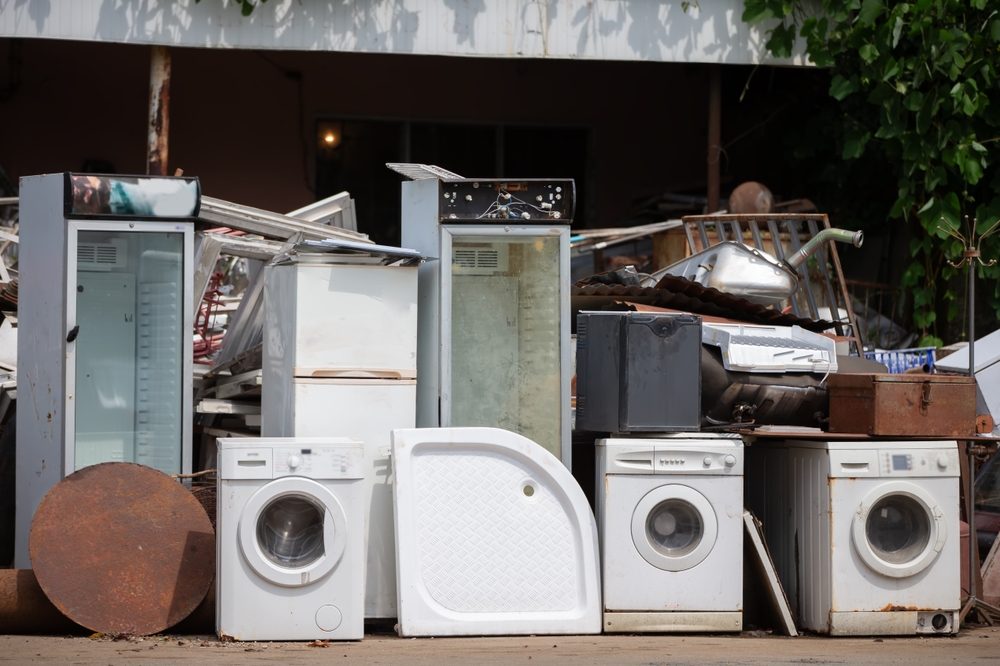
    Scrap for a Sustainable Future, With Action Metals Recyclers

    The transition to a circular economy is not just a responsibility for businesses and industries; it also requires the active participation of individuals and communities. By making conscious choices to recycle scrap metal and support companies that prioritize sustainable practices, we can all contribute to building a more sustainable future.

    Whether you’re clearing out scraps after a big move or are getting rid of a junk car on your property, Action Metals Recyclers is here to offer top dollar on all of your scrap metals.

    We want to see the world thrive and encourage our customers in the Dallas community to join us in this journey towards a circular economy. Together, we can make a significant impact by diverting valuable metal resources from landfills and promoting their responsible reuse and recycling.
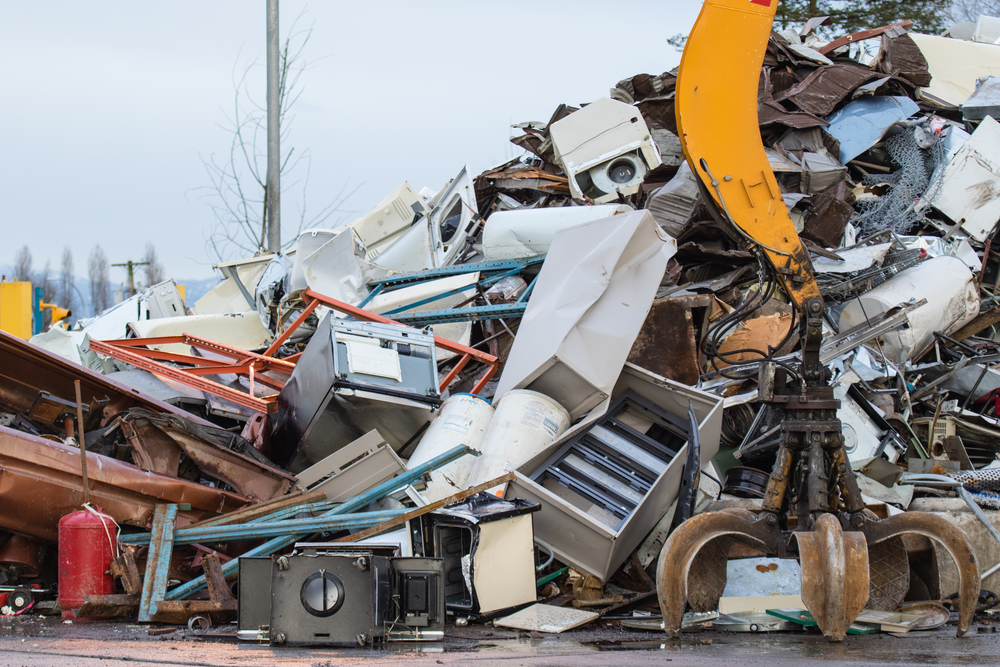
    Join us as we strive to create a world where resources are valued, waste is minimized, and the circular economy becomes the norm. Together, we can pave the way for a brighter, more sustainable tomorrow.

    Contact us today to learn more about our recycling process.

  28. Top Things to Sell for Scrap When You're Moving

    Top Things to Sell for Scrap When You’re Moving

    Moving to a new home is an exciting fresh start, but it can also be a huge hassle. As you’re packing up your belongings, you’ll inevitably come across miscellaneous metal items you no longer need or want. Instead of just tossing them out, why not make some extra cash by selling them for scrap? At Action Metals Recyclers, we pay top dollar for all sorts of valuable scrap metals in Dallas.

    Here’s a look at some of the top things you can sell for scrap during your next Dallas move.

    Old Pots, Pans, and Kitchen Utensils

    When it comes to kitchen items made of aluminum or stainless steel, don’t just throw them out – recycle them! Scratched non-stick pans, dented pots, chipped baking trays, and bent utensils may have no use to you anymore, but they can be melted down and repurposed into new metal products. 

    As you’re cleaning out your kitchen cabinets, set aside anything metal that’s too worn to keep using. Then before your move, stop by our Dallas scrap metal recycling facility to sell your steel scraps!

    Large Appliances 

    You probably don’t want to move that old fridge, stove, dishwasher, or washing machine to your new place. These large appliances contain a significant amount of valuable steel and other metals in their frames, doors, coils, and more. Have them picked up for scrap rather than leaving them on the curb!

    Odds and Ends from the Garage

    Over the years, you’ve likely accumulated quite the collection of old tools, machine parts, lawn equipment, bicycles, grills, and sporting goods out in the garage or shed. Anything predominantly made of steel or aluminum can be sold for scrap metal recycling. 

    As you’re cleaning out the garage for your move, set aside non-working power tools, rusty shovels and rakes, busted lawn mowers, bent basketball hoops, and more.

    That Junker in the Driveway

    Have an old beater car, truck, or van that’s been sitting around collecting dust? Now’s the perfect time to finally get rid of it! Vehicles contain a huge amount of steel that can be melted down and repurposed into new metal products. Cars also have smaller amounts of valuable metals like aluminum, copper wiring, and platinum from the catalytic converter. We’ll take your junker off your hands and pay you the best rates in Dallas for the scrap metal.  

    Miscellaneous Renovation Leftovers

    If you’ve done any home renovation projects like re-roofing, updating bathrooms or kitchens, or building an addition, chances are you have scrap metal leftovers tucked away in the basement or garage. Buckets of old nails and screws, metal piping, wiring, sinks, gutters, ductwork, and roofing materials can all be recycled for cash before you move out.

    Recycle Your Scrap for Cash with Action Metals Recyclers

    Don’t leave money on the table when you move! Bring all of your unwanted metal items to Action Metals Recyclers in Dallas, and we’ll pay you top dollar based on weight and material type. We accept ferrous metals like steel as well as non-ferrous metals including aluminum, copper, brass, and more. 

    Our convenient location and flexible hours make it easy to drop off your scrap metal any time. 

    Whether it’s an old grill, some bent bike frames, or the kitchen pots and pans you’ve had forever, we’ll make sure your unwanted metal goods get repurposed responsibly instead of ending up in a landfill.

    Decluttering and getting cash for your scrap metal has never been easier than with Action Metals Recyclers. Contact us today to learn more about our services.

  29. Dallas Scrap Metal Recycling FAQ

    Scrap Recycling FAQ for Dallas Residents

    Recycling scrap metal is one of the easiest ways to reduce your environmental footprint while also putting some extra cash in your pocket. By recycling old appliances, auto parts, construction materials and other metal items instead of sending them to the landfill, you ensure these valuable resources get a new life. 

    If you’re considering recycling scrap metal in the Dallas area, you likely have some questions. This FAQ covers common topics to help you get started on the right track when recycling at our Dallas scrap metal recycling facility.

    Can Anyone Recycle Scrap Metal?

    Yes, individuals and businesses alike can bring scrap metal to recycling facilities like ours. Whether you have a few old aluminum cans or tons of industrial metal waste, recycling centers accept all types and quantities of recyclable metal.

    For example, at Action Metals Recyclers’ facility in Dallas, we happily accept ferrous metals like steel and iron, non-ferrous metals like aluminum, copper, brass, and can even recycle cars and large equipment.

    Upon arrival, simply let our staff know what types of metal you’re dropping off so we can approach your load with the proper recycling process. We’ll be able to assess your materials and provide payment on the spot for valuable metal types.

    How Can I Find Out Current Scrap Metal Values?

    Scrap metal prices fluctuate frequently based on supply, demand and market conditions, so it’s a good idea to monitor pricing if you want to get the best value for your materials.  

    Many recyclers like Action Metals Recyclers post current pricing at the facility, broken down by ferrous, non-ferrous, and other categories. These price boards are updated regularly to reflect the latest market rates.

    You can also call us directly to inquire about pricing for specific metal types over the phone. The staff can provide a quote based on the current going rates.

    Can I Recycle Auto Parts or Whole Vehicles for Scrap?

    Absolutely! From radiators to engines to entire junk cars, all types of automotive parts and vehicles are accepted at most professional scrap yards that specialize in metal recycling.

    We pay for vehicles by their overall weight and content, with pricing factored by the current rates for the various metal types like steel, aluminum, copper and more. 

    However, keep in mind that some items like tires, batteries, and fluids may incur extra fees for proper disposal. We recommend that you remove these items from your vehicle to ensure you receive the most money for your scraps.

    Are Scrap Metal Recycling Facilities Safe?

    Safety is the top priority at reputable, well-run commercial recycling operations like Action Metals. At our facility, we follow all federal, state and local regulations for environmental protection and worker safety when handling various types of scrap metal.

    We always have procedures in place to properly manage any potentially hazardous components or materials that may be present, such as batteries, mercury switches, fluids and more. We have trained staff, specialized equipment and containment areas to ensure these items are dealt with correctly.

    You can have full confidence that your metal recyclables are being processed responsibly and sustainably at Action Metals’ modern, well-maintained facilities.

    Recycle Your Scrap Metal Today at Action Metals Recyclers 

    Now that you understand the basics of scrap metal recycling, it’s time to start cashing in on those old appliances, piping, machinery and other metal objects taking up space around your home or workplace. Recycling metal is a smart choice for your wallet and the environment, so let Action Metals Recyclers help!

    If you’re in the Dallas area, bring your metals to us! We are the region’s premier recycling facility. We pay top-dollar prices for all types of valuable ferrous and non-ferrous metals like steel, aluminum, copper and more. 

    With our convenient location and knowledgeable staff, you can count on a quick, profitable transaction every time.

    Don’t let that old scrap go to waste – recycle it today with Action Metals Recyclers! Contact us to get started!

  30. New Year Recycling

    How to Celebrate Earth Day 2024 With Action Metals Recyclers

    As the calendar turns to April, Dallas residents and businesses alike are gearing up for one of the most important environmental celebrations of the year – Earth Day on April 22nd. This annual event, which began in 1970, serves as a powerful reminder of our collective responsibility to protect and preserve our planet for future generations.

    While Earth Day is a single day on the calendar, its impact extends far beyond the 24-hour period. It’s a time to reflect on our daily habits, reevaluate our consumption patterns, and make conscious choices that reduce our carbon footprint. This year, there are numerous ways for Dallasites to get involved and make a tangible difference in their community.

    Clearing Out E-Waste and Donating Scrap Metal

    One of the most impactful activities that individuals and businesses can undertake this Earth Day is to tackle the issue of electronic waste (e-waste) and scrap metal. According to the Environmental Protection Agency (EPA), only 25% of e-waste is properly recycled, while the remaining 75% ends up in landfills or incinerators, releasing harmful toxins into the environment.

    By taking the time to clear out those dusty, outdated electronics from your office or home, you’re not only freeing up valuable space but also contributing to a greener future. From old computers and printers to mobile devices, these items contain valuable materials that can be recycled and repurposed, reducing the need for resource-intensive mining and manufacturing processes.

    In Dallas, residents and businesses have a reliable partner in Action Metals Recyclers, a local scrap metal recycling center that has been leading the charge in promoting responsible e-waste and metal recycling practices. 

    With our state-of-the-art facilities and commitment to environmentally sound practices, Action Metals Recyclers ensures that every piece of electronic or metal waste is properly processed, hazardous materials are safely contained, and valuable resources are recovered for reuse.

    The Impact of Responsible Recycling

    The benefits of responsible e-waste and scrap metal recycling extend far beyond simply decluttering your space. By diverting these materials from landfills on Earth Day, we significantly reduce the amount of toxic substances, such as lead, mercury, and cadmium, that can leach into the soil and groundwater, posing serious threats to human health and the environment.

    Recycling e-waste and scrap metal helps conserve natural resources by reducing the need for raw material extraction. For example, recycling one metric ton of aluminum saves roughly 4-5 metric tons of bauxite, the primary source of aluminum, and a significant amount of energy required for production from raw materials.

    Celebrating Earth Day in Dallas: Beyond Recycling

    While clearing out e-waste and donating scrap metal are crucial steps towards a greener Dallas, Earth Day celebrations in the city offer a wide array of opportunities for residents and businesses to get involved. 

    Local organizations and community groups are hosting various events, including park cleanups, tree-planting initiatives, and educational workshops on sustainable living practices.

    Additionally, many Dallas businesses are embracing sustainability by implementing eco-friendly practices within their operations. From reducing energy consumption and minimizing waste to sourcing locally and supporting green initiatives, these efforts demonstrate a commitment to environmental stewardship that extends beyond Earth Day.

    Step Into a Greener Future With Action Metals Recyclers

    As we approach Earth Day 2024, it’s important to recognize that our collective actions today will shape the world we leave for future generations. By embracing responsible e-waste and scrap metal recycling practices, we not only declutter our spaces but also contribute to a more sustainable future.

    So, let’s make this Earth Day count. Take the time to gather those old electronics and scrap metal items that have been collecting dust, and make the conscious choice to donate them to a trusted recycling center like Action Metals Recyclers. Together, we can make a tangible difference in reducing our environmental impact and preserving the beauty and resources of our planet for years to come.

    Remember, every small action counts. Whether it’s recycling your e-waste, planting a tree, or simply being mindful of your consumption habits, each of us has the power to create positive change. Let’s embrace the spirit of Earth Day and make a commitment to living a more sustainable lifestyle, not just on April 22nd, but every day of the year.

    Contact us today to schedule your next scrap metal pickup.