Radiator recycling in Dallas turns bulky automotive cooling units into high-yield nonferrous scrap payouts. Because radiators contain concentrated amounts of high-value nonferrous metals like copper, brass, and refined aluminum alloys, separating and selling them to an established local yard yields significantly higher returns than tossing them into general mixed scrap iron piles.
Every automotive shop, demolition bay, and home garage across North Texas inevitably runs into broken cooling systems. Whether you are wrenching on an older pickup truck in Oak Cliff, parting out wrecked sedans near Grand Prairie, or clearing residential air conditioning components from a garage remodel in Mesquite, discarded heat exchangers pile up fast. Radiators take up substantial floor space, trap residual coolants, and create clutter that slows down daily work.
Instead of treating these bulky assemblies like low-grade ferrous junk, savvy technicians recognize them as dense packs of premium nonferrous metals. Understanding what metals are inside your scrap units, how processors classify them, and how simple garage prep steps elevate your payout transforms old cooling components into regular cash revenue.
What Determines Your Scrap Radiator Value at the Scale?
Scrap radiator value depends primarily on base metal composition, overall unit weight, core cleanliness, and whether steel brackets or plastic tanks remain attached. All-copper and brass units yield the highest dollar return per pound, followed by clean aluminum cores, while plastic-aluminum assemblies command lower rates due to processing labor.
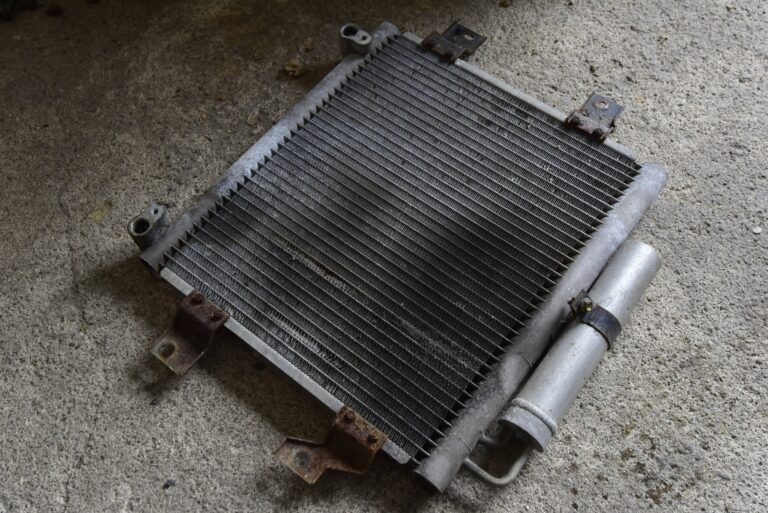
Scrap yards evaluate heat exchangers across three core criteria: core alloy purity, weight, and the presence of foreign material. Modern light vehicles almost exclusively run aluminum cores with molded plastic side tanks or crimped end reservoirs. Heavy machinery, vintage automobiles, and older commercial systems, on the other hand, rely on dense copper cooling tubes joined with brass tanks and lead-tin solder.
When you roll up to an industrial scale, the yard operator checks if the component is clean or dirty. A clean radiator has all foreign materials stripped away, leaving only the primary recyclable heat exchange metal. A dirty radiator still carries steel side mounting frames, iron transmission cooler fittings, plastic tanks, and rubber hose stubs. Yards apply a percentage price deduction or assign a lower commodity tier to dirty units because secondary smelters cannot melt mixed plastics and iron into clean nonferrous ingots without prior mechanical sorting.
Which Automotive Cores Yield the Highest Returns | Copper Brass Radiators vs Aluminum
Old-school copper brass radiators deliver significantly higher payouts per pound than modern units because of high global copper demand. Conversely, lightweight aluminum radiators yield less cash per pound but appear in far greater numbers, making them a steady, volume-based revenue generator for high-turnover Dallas repair shops.
Automotive manufacturing shifted dramatically starting in the early 1980s. Prior to that shift, car and truck manufacturers relied on copper fins and brass header tanks because copper transfers thermal energy exceptionally well. These assemblies are heavy. An industrial truck core can weigh anywhere from 25 to more than 60 pounds. Because copper and brass trade at premium base-metal commodity prices, cashing in genuine copper-and-brass radiators produces instant, high-dollar receipts at the weigh station.
Modern vehicles, by contrast, use aluminum radiators to reduce front-end curb weight and improve fuel efficiency. Aluminum cools effectively and resists exterior corrosion, but the raw metal sells for less per pound than red metals. You will encounter aluminum cores daily in passenger cars, light SUVs, and modern condenser units. While an individual unit might only weigh 8 to 15 pounds, mechanics who stockpile dozens of cores from routine summer radiator swaps create valuable bulk volume.
Scrap Radiator Classification and Material Value Guide
| Radiator Type | Common Origin | Primary Metals | Prep Priority | Relative Value |
| Copper Brass Core | Vintage vehicles, tractors, stationary generators, heavy diesel equipment | Copper tubing, brass side tanks, solder | Cut away steel side brackets, unbolt heavy iron brackets | Highest per pound |
| Clean Aluminum Core | Modern passenger cars, light trucks, HVAC condensers | Pure aluminum tubes and cooling fins | Remove crimped plastic end tanks, saw off steel brackets | High volume payout |
| Dirty Aluminum Core | Intact passenger car pullouts, salvage yards | Aluminum core with attached plastic reservoirs and steel brackets | Leave intact when labor time exceeds stripping margin | Moderate |
| Aluminum Copper Core | Residential central AC units, commercial chillers, evaporator coils | Copper tubing woven through aluminum cooling fins | Trim iron side end-plates and zinc elbows | High premium |
Quick Self-Check | How to Identify What Radiator You Have in 30 Seconds
Test your inventory before heading to the scrap yard:
- Grab a simple pocket magnet. Run it along the core, tubing, and tank frame. If the magnet sticks firmly, that specific section is iron or structural steel. If it slides freely with zero magnetic pull, you are touching nonferrous copper, brass, or aluminum.
- Inspect the metal color beneath the surface dirt. Lightly scrape the surface with a pocketknife or file. A reddish-orange scratch indicates copper. A yellow-gold sheen reveals brass. A bright, silvery metallic white confirms aluminum.
- Check the end tanks. Are the reservoirs black molded plastic held by crimped metal tabs? That is a standard modern aluminum-plastic radiator. Are the reservoirs yellow brass with visible soldered seams? You have a vintage high-value copper core.
How Should You Prepare Cores Before You Sell Scrap Radiators?
To sell scrap radiators for top dollar, drain all internal engine coolant, remove plastic end tanks, shear off steel side channels, and strip out copper-line transmission cooler inserts. Removing these attachments upgrades your units from dirty grade to clean grade, unlocking maximum scale pricing.
Scrap yards are not automotive repair shops, and they must follow environmental rules strictly. Before transporting any heat exchangers, drain all engine coolant completely into certified disposal drums. Never bring units that are actively dripping toxic ethylene glycol onto shop trucks or scale aprons. Fluid-bearing scrap creates severe environmental hazards and can trigger yard turnaways or environmental disposal fees.
Follow these practical steps in your shop or garage to maximize scrap margins:
Step 1: Drain and Evacuate Fluids Position the unit over a shop drain pan. Pull the drain petcock or snip lower hoses to empty remaining coolant completely. Allow the interior tubes to drip dry overnight.
Step 2: Snip Rubber Hoses and Clamps Take a utility knife or shears and cut away all rubber radiator hoses, heater core bypass lines, and spring clamps. These carry zero scrap value and add unwanted tare weight deductions.
Step 3: Detach Electric Cooling Fans and Shrouds Unbolt plastic fan assemblies, wiring harnesses, and electric fan motors. Electric fan motors contain copper windings and can be sold separately in your electric motor scrap pile rather than left stuck to your radiator.
Step 4: Strip the Plastic Tanks If you have an aluminum radiator with plastic tanks, assess your labor availability. If you only have one or two units, you can pry back the crimped aluminum tabs using a flat pry bar or channellock pliers, pop off the plastic reservoirs, and leave a clean aluminum core. If you manage dozens of radiators a week, calculate whether shop labor time offsets the price bump between dirty and clean grading.
Step 5: Cut Off Steel Mounting Brackets Take a reciprocating saw or cutoff wheel to slice away steel mounting flanges along the top and bottom. Once the magnet confirms no steel remains anywhere on the core, your load qualifies for clean commodity pricing.
What Are Common Mistakes That Cost Mechanics Money at Dallas Scrap Yards?
The most common mistakes include mixing clean aluminum cores with heavy ferrous scrap, failing to separate copper from aluminum, leaving heavy iron brackets attached, and allowing contaminated fluids to spill in transport. Mixing different metal grades forces yard inspectors to downgrade the entire batch to the lowest price tier.
Throwing an expensive vintage brass radiator into an open hopper full of shredded auto body sheet metal is one of the easiest ways to throw away cash. When materials arrive commingled, scale software defaults to the lowest common denominator, usually shredder steel or mixed irony aluminum.
Another frequent mistake is ignoring small heat exchangers. While you are pulling an engine radiator, do not overlook heater cores, transmission oil coolers, turbo intercoolers, and air conditioning condensers. Condensers are almost entirely aluminum and take very little storage space. Heater cores from older trucks are frequently miniature copper brass assemblies that carry surprising weight. Keeping individual collection barrels for distinct metals around your workspace keeps your metals organized automatically as teardowns happen.
Partner With Action Metals Recyclers | Your Premier Scrap Radiator Buyer in Dallas
Turning automotive cooling assemblies into dependable revenue should never involve guessing games, difficult scales, or unfair weight assessments. Action Metals Recyclers provides Dallas mechanics, salvage specialists, demolition contractors, and weekend DIY scrappers with an honest, transparent destination for nonferrous metals. Operating from our secure, fully paved facility at 3514 Botham Jean Blvd, we maintain certified digital scales, modern handling equipment, and an experienced team ready to grade your materials accurately. Whether you have two pulled truck cores in your pickup bed or an industrial trailer loaded with commercial heat exchangers, we get you unloaded quickly and paid fairly on the spot.
Frequently Asked Questions
Q. Do scrap yards accept automotive radiators that still have plastic tanks attached?
Scrap yards accept radiators with plastic tanks, but they classify them as dirty aluminum radiators. This grade pays a discounted per-pound rate compared to clean cores to account for non-metallic weight and the labor required to strip the plastic.
Q. How can you tell if a radiator core is copper, brass or aluminum?
Use a magnet and a metal file. A magnet will not stick to either metal, but scratching the surface metal will reveal an orange or yellow shine on copper-brass units, whereas aluminum shows a bright silvery white color.
Q. Is it necessary to drain coolant before bringing a radiator to a scrap yard?
Drain all engine coolant and transmission fluid completely before transport. Scrap yards must comply with municipal stormwater rules and environmental laws, meaning leaking radiators pose safety hazards and will face scale deductions or rejection.